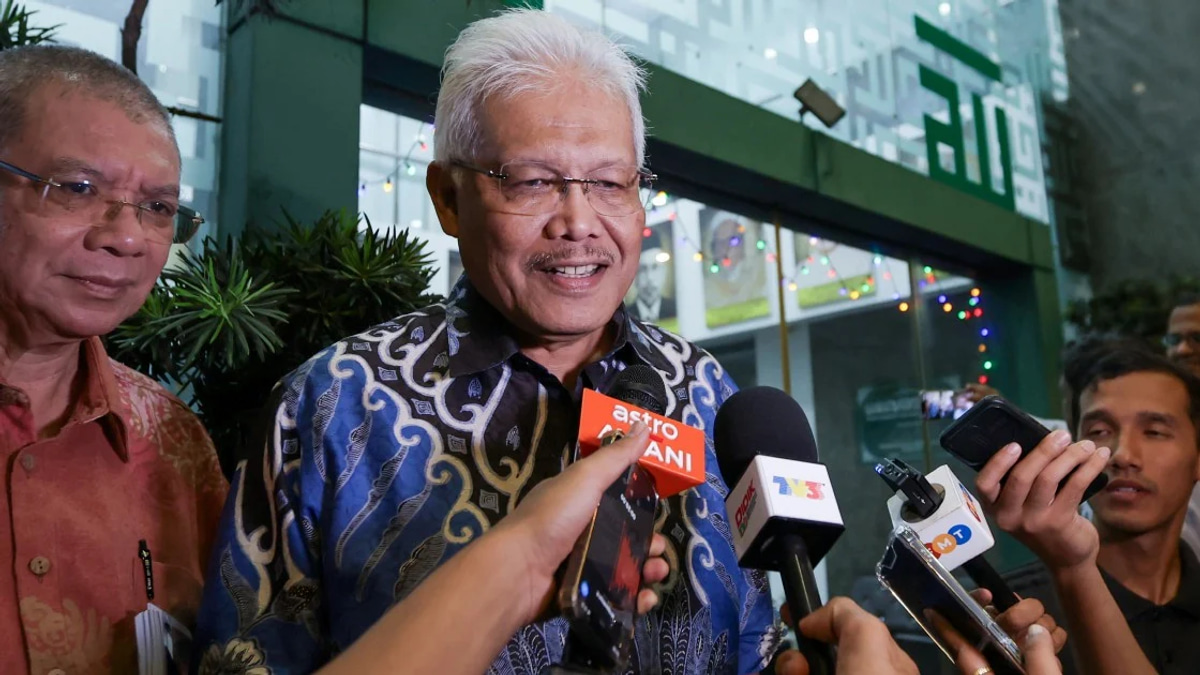
Prime Minister Anwar Ibrahim has made a fresh appeal to Malaysians to resist inflammatory political messaging, framing the country's multicultural character as essential to its continued prosperity and stability. Speaking on the matter of societal divisions fuelled by certain leaders, Anwar positioned ethnic diversity not merely as a demographic fact but as a competitive advantage that distinguishes Malaysia in an increasingly fractured world.
The prime minister's remarks come amid an ongoing national conversation about the tone and tactics employed across Malaysia's fractious political landscape. Political observers have noted a troubling pattern in recent years whereby extremist or polarizing rhetoric, whether targeting specific communities or weaponizing cultural differences, has periodically surfaced during electoral cycles and policy debates. Anwar's intervention suggests growing concern within the government about the corrosive effects of such discourse on communal relations and institutional trust.
Malaysia's constitution and founding compact rest fundamentally on a social contract that acknowledges the country's plural composition. The Federation was established on the premise that Malays, Chinese, Indians, and indigenous communities would coexist under frameworks balancing group interests and national unity. Yet successive decades have witnessed periodic tensions and sporadic attempts by political actors to exploit communal sensitivities for electoral or factional advantage. Anwar's insistence that diversity constitutes strength rather than weakness reflects a deliberate positioning against such divisive narratives.
The prime minister's framing carries particular weight given Malaysia's recent political turbulence. Coalition realignments, leadership transitions, and competing visions for the nation's direction have created space for more aggressive political messaging. In such volatile environments, appeals to ethnic or religious solidarity can temporarily mobilize voter bases but exact long-term costs on intergroup trust and institutional efficacy. Anwar's call to transcend hate peddled by select leaders implicitly acknowledges these risks and proposes a counternarrative centred on collective strength through diversity.
From a developmental perspective, Malaysia's ability to maintain communal peace while pursuing economic modernization has historically been a source of regional advantage. Investors, multinational corporations, and skilled migrants have been attracted partly because of relative stability and functional multiethnic governance. Resurgent divisive politics threatens this calculus. As rival Southeast Asian economies compete for foreign direct investment and talent, Malaysia's reputation for intercommunal harmony becomes a tangible economic asset. Rhetoric that undermines such perceptions therefore carries not only social but financial consequences.
The prime minister's emphasis on diversity as a strategic strength also reflects evolving global discourse around pluralism. Increasingly, research from institutions across Asia, Europe, and North America documents the innovation and resilience advantages of cognitively and culturally diverse societies. Homogeneous systems, by contrast, often exhibit lower adaptive capacity when facing novel challenges. Anwar's articulation aligns Malaysia's immediate political needs with broader intellectual currents, lending his appeal credibility among younger, more cosmopolitan constituencies.
However, rhetorical appeals from leadership, however well-intentioned, require reinforcement through institutional and policy mechanisms. Citizens observing politicians from across the spectrum occasionally engage in communal stereotyping or inflammatory speech may view prime ministerial exhortations as hollow if not paired with concrete accountability measures. Whether Anwar's government intends to pursue legislative or enforcement actions against incitement remains unclear, though such steps would lend material weight to his words.
The international dimension merits consideration as well. Malaysia competes within ASEAN and globally for soft power and reputational influence. Nations perceived as ethnically fractious or unstable attract skepticism from potential partners and investors. Conversely, multiethnic societies that manage diversity effectively—Singapore, Canada, and others—enjoy enhanced diplomatic standing and economic opportunity. Anwar's intervention signals to both domestic and international audiences that the Malaysian leadership remains committed to a pluralistic vision of national development.
Regional implications warrant examination too. Throughout Southeast Asia, competing models of governance and community relations vie for ascendancy. Some neighbouring societies emphasize majoritarian frameworks; others prioritize explicit multiculturalism. Malaysia's choice in favour of rejecting divisive rhetoric and embracing diversity as foundational strength carries implicit messages about the region's trajectory. It suggests rejection of zero-sum identity politics and affirmation that coexistence and shared prosperity remain achievable.
The prime minister's intervention also reflects a pragmatic political calculation. Coalition politics in Malaysia require bridging Malay-Muslim and non-Malay constituencies. Messaging that valorizes diversity appeals to the latter while framing such pluralism as beneficial to all serves the former's interests as well. By positioning hate peddling as emanating from certain leaders rather than systemic forces, Anwar creates ideological space for cross-cutting political coalitions while implicitly criticizing opposition figures.
Moving forward, the sustainability of such messaging depends on demonstrable commitment to institutional reform and equitable policy implementation. Malays and Bumiputeras have legitimate interests in constitutional protections and communal representation; non-Malays require confidence in procedural fairness and non-discrimination. Navigating these competing claims while maintaining pluralistic cohesion represents an ongoing governance challenge. Anwar's rhetorical stance signals intention to pursue that difficult balance, though execution will determine credibility.
Ultimately, the prime minister's call to rise above divisive rhetoric and recognize diversity as foundational strength represents necessary affirmation at a moment when political fragmentation and communal tensions pose genuine risks to social fabric and economic trajectory. Whether this appeal catalyzes sustained institutional and behavioural change, or remains merely rhetorical positioning, will significantly influence Malaysia's path forward in an era of rising polarization both globally and regionally.