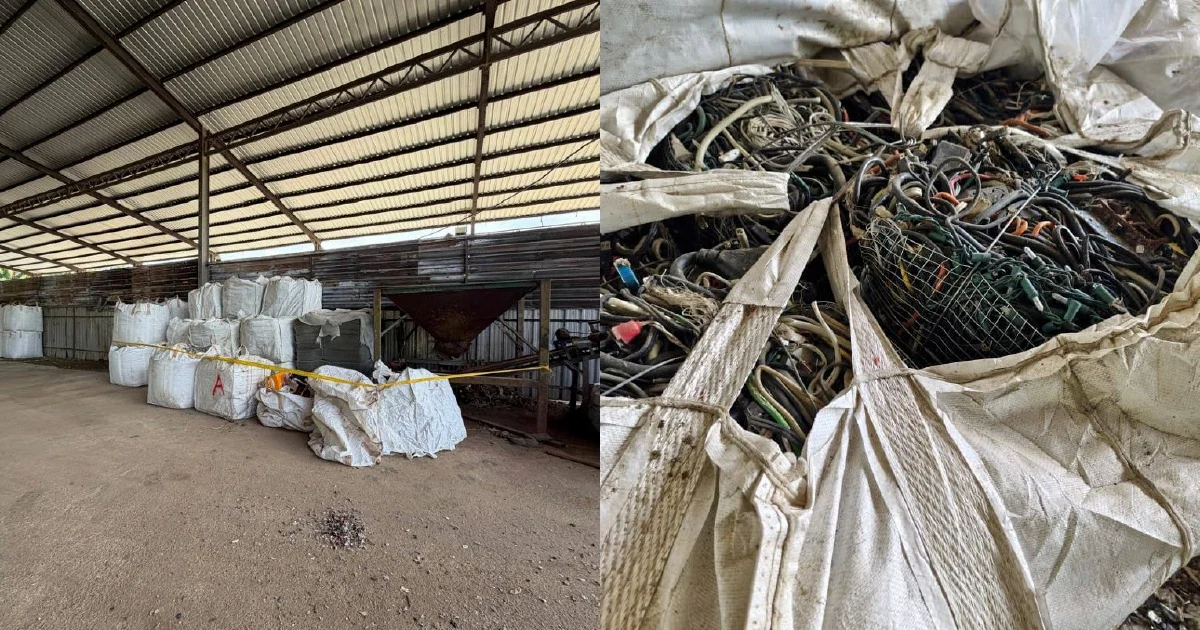
Enforcement authorities have moved decisively against illegal e-waste operations in Penang, dismantling an unlicensed processing and storage facility in Bukit Mertajam and apprehending five suspects in connection with the operation. The raid netted electronic waste valued at approximately RM3 million, signalling intensified efforts to combat the growing problem of unregulated electronic recycling across the country.
The illegal facility was discovered to be operating without proper licensing or environmental safeguards, posing significant risks to both public health and environmental sustainability. Such unlicensed operations typically extract valuable metals and materials from discarded electronics through crude, uncontrolled methods that can release toxic substances including lead, mercury, and cadmium into the surrounding environment. The scale of the seizure underscores how profitable these illicit enterprises have become, attracting criminal networks willing to flout regulations for substantial financial gain.
The five individuals arrested during the operation are now facing potential charges related to operating an unlicensed waste management facility and environmental violations. Investigators are examining the supply chain that fed materials into this particular facility, seeking to identify whether the operation was part of a larger organised network or operated independently. The detention of multiple suspects suggests authorities may be pursuing a broader investigation into how e-waste flows through Malaysia's waste management system.
For Malaysia, this seizure reflects a persistent challenge facing the nation as rapid technological adoption and consumer electronics consumption surge. The volume of electronic waste generated annually continues to climb, with households and businesses regularly discarding obsolete computers, mobile phones, televisions, and other gadgets. The legitimate recycling infrastructure struggles to process this growing volume, creating opportunities for underground operators to capture materials that would otherwise be diverted to authorised facilities.
The environmental and health implications of unregulated e-waste processing are severe. When toxic components are extracted without proper containment, they contaminate soil and groundwater, accumulating in agricultural areas and potentially entering the food chain. Workers at illegal facilities face direct exposure to hazardous substances without protective equipment, suffering long-term health consequences ranging from respiratory illnesses to neurological damage. Communities adjacent to such operations experience degraded air and water quality, bearing the costs of environmental remediation long after illegal operators relocate.
Bukit Mertajam and the broader Penang region have experienced previous incidents of illegal e-waste dumping and processing, making this enforcement action part of an ongoing struggle to regulate the sector. The industrial nature of Penang's economy means substantial quantities of commercial and manufacturing e-waste are generated locally, creating both legitimate recycling opportunities and incentives for informal operators. Authorities have signalled stronger commitment to monitoring industrial areas where such illegal facilities might cluster away from public view.
This raid demonstrates that enforcement agencies possess the operational capacity to identify and dismantle significant operations. The timing and scale of the operation suggest intelligence-led policing rather than random discovery, pointing toward potential informant networks or systematic monitoring of suspected facilities. Whether enforcement agencies can maintain this level of sustained pressure against a persistently lucrative illegal trade remains uncertain, particularly given resource constraints many environmental enforcement bodies face across Malaysia.
The seized materials themselves present logistical challenges. Once confiscated, e-waste must be handled and disposed of properly, requiring access to licensed facilities and proper documentation. The burden of managing impounded contraband falls on authorities, creating operational costs that may exceed the value of materials seized. This reality sometimes incentivises authorities to work with licensed recyclers to process confiscated materials, creating new revenue streams for legitimate businesses while ensuring proper environmental handling.
Industry observers note that stronger enforcement against illegal operations can paradoxically increase demand for legitimate recycling services. When black market operators are disrupted, businesses seeking cost-effective e-waste disposal may shift toward authorised facilities, supporting the formalisation of Malaysia's recycling sector. However, this dynamic only materialises if legitimate operators offer competitive pricing and convenient access, factors that remain unevenly distributed across the country.
The case also underscores the international dimensions of e-waste crime. Malaysia remains a transit point for illegally imported electronic waste from developed nations, with traffickers exploiting porous enforcement and relatively lower penalties compared to source countries. Some seized e-waste may originate from overseas, meaning this particular facility could have been processing imported materials alongside domestic waste, with exports potentially destined for further processing in third countries.
Moving forward, addressing illegal e-waste operations will require more than enforcement raids alone. Extended producer responsibility schemes, where manufacturers bear costs for recycling their products, can reshape economic incentives. Improving public awareness about proper e-waste disposal and supporting licensed recyclers through preferential procurement policies would strengthen the legitimate sector. Simultaneously, sustained enforcement with meaningful penalties for operators and owners is essential to maintaining deterrence against those tempted by illicit profits from unregulated processing.