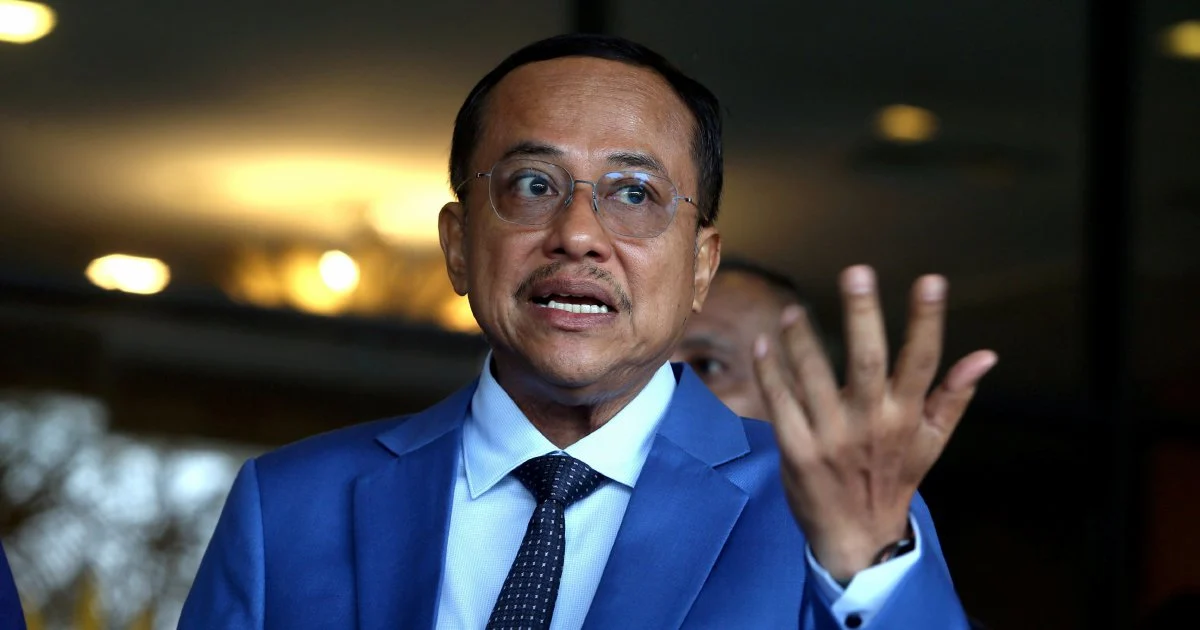
The fractious opposition alliance Perikatan Nasional faces fresh turmoil after Bersatu's information chief Datuk Tun Faisal Ismail Aziz publicly denounced coalition chairman Datuk Seri Dr Ahmad Samsuri Mokhtar for what he characterised as an alarming abdication of leadership responsibilities during a pivotal moment for the grouping.
Faisal's critique strikes at a fundamental tension within PN: the question of whether its chairman is governing the coalition in the interests of all members or effectively serving as a proxy for PAS, the largest party within the alliance. This distinction carries substantial weight for smaller partners like Bersatu, which has grown increasingly restless about decision-making processes and strategic direction within the coalition.
The escalating recriminations between PN's component parties underscore the fragility of an opposition alliance that once appeared positioned to challenge the government. Bersatu's willingness to make such pointed public accusations suggests internal mediation efforts have broken down, and the coalition is drifting toward a more open phase of factional infighting.
For Malaysian political observers, the timing is significant. The government currently commands parliamentary majority support, and any weakening of opposition cohesion reduces pressure on the administration. Conversely, PN's instability creates opportunities for defections and realignments, with various politicians and factions potentially reconsidering their alliance commitments.
The specific complaint levelled by Faisal—that Samsuri has neglected his coalition-wide responsibilities—reflects deeper anxieties within Bersatu about marginalisation. Smaller coalition members typically fear that chairmen and leadership structures will default to favouring the largest party's interests. If Samsuri is perceived as prioritising PAS concerns over coordination with other PN partners, this breeds resentment and undermines confidence in shared governance.
Bersatu's decision to air these grievances publicly rather than handle them through quiet party channels indicates escalating frustration. Malaysian political culture traditionally values behind-the-scenes resolution of inter-party disputes within coalitions, yet the move to public criticism signals that private conversations have yielded insufficient results. This shift toward confrontational messaging is a warning sign that PN's internal machinery is deteriorating.
The accusation of "very irresponsible" leadership carries weight because coalition chairmanships in Malaysian politics carry genuine institutional significance. A chairman's primary duty is to mediate between partners, ensure balanced representation, and steer the alliance toward coherent policy positions. If these functions are not being fulfilled, the coalition effectively lacks central coordination—a debilitating condition for any opposition alliance attempting to present itself as a credible governing alternative.
For regional observers, PN's troubles illustrate broader challenges facing opposition coalitions in Southeast Asia. Managing partnerships between parties with different ideological foundations, organisational cultures, and power bases requires skilful leadership and genuine commitment to consensus-building. When that commitment wavers, factional conflicts rapidly surface and erode coalition viability.
Bersatu's public intervention also reflects its own precarious position within PN. The party secured significant parliamentary representation through the alliance structure but lacks the grassroots organisational depth of rivals like PAS or UMNO. This creates asymmetric vulnerability: Bersatu depends more heavily on the PN framework for political relevance than some other members, yet simultaneously feels excluded from strategic decision-making. This combination generates the kind of resentment visible in Faisal's remarks.
The immediate question facing PN leadership is whether Samsuri can respond effectively to these accusations or whether they will metastasise into broader calls for his replacement. If sufficient members support Bersatu's position, pressure could mount for internal reform or leadership changes. Alternatively, if PAS-aligned members rally behind Samsuri, the coalition could fracture openly.
Looking forward, Malaysian political stability depends partly on whether opposition coalitions can maintain sufficient internal cohesion to provide meaningful parliamentary scrutiny. A PN in open turmoil reduces opposition effectiveness and allows the government greater latitude. Conversely, should PN successfully resolve its internal tensions, it could re-emerge as a stronger political force.
The Samsuri controversy ultimately highlights a persistent vulnerability in Malaysian coalition politics: the structural difficulty of maintaining unity when larger partners hold disproportionate power. Without genuine power-sharing mechanisms and transparent governance frameworks, smaller parties like Bersatu will continue to feel marginalised, leading to precisely the kind of public recrimination now unfolding. Until PN addresses these foundational issues, further crises appear inevitable.