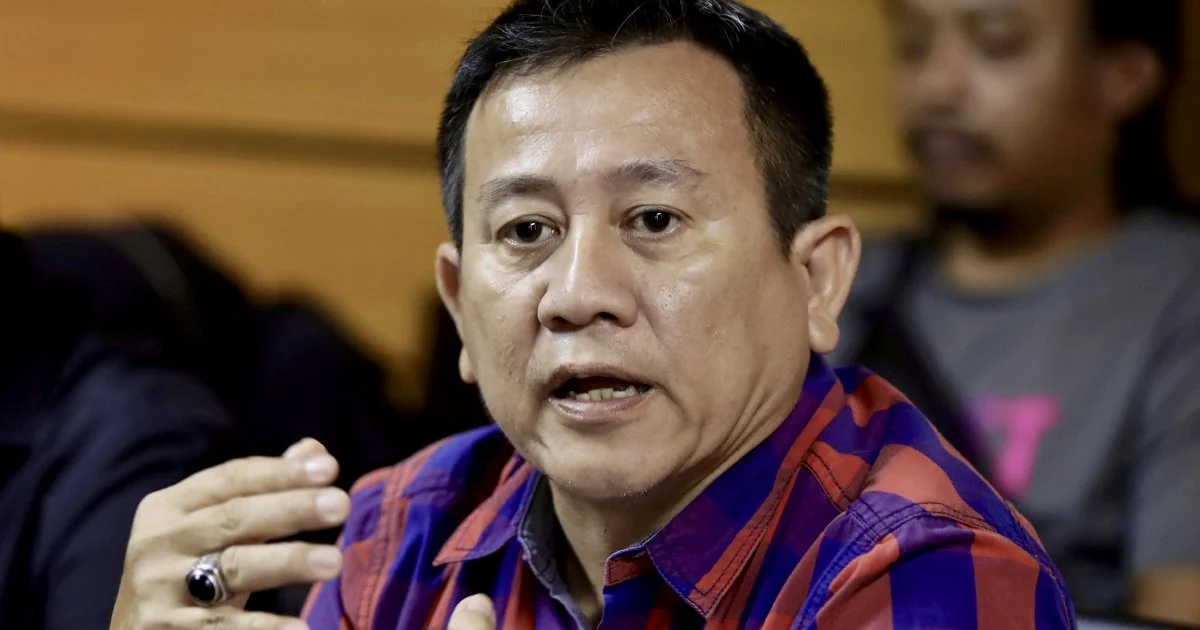
Bersatu's information chief Datuk Tun Faisal Ismail Aziz has made a striking intervention in Malaysian coalition politics by calling for PAS to abandon its current partnership within Perikatan Nasional, instead advocating that the Islamic party pursue independent political operations or construct a fresh political alliance altogether.
The statement represents a significant rupture in messaging from within the PN framework, which has served as the primary opposition coalition following the 2022 general election. By publicly suggesting that one of PN's major components should exit the partnership, Tun Faisal has escalated internal tensions that have simmered beneath the surface of the ostensibly unified opposition bloc throughout 2023 and 2024.
PAS, which commands substantial influence particularly in the northern and eastern states of Peninsular Malaysia, has anchored the Perikatan Nasional coalition alongside Bersatu since the grouping's formal establishment. The party's electoral strength, derived from substantial support among rural and conservative constituencies, has made it a crucial component of PN's strategy to challenge the federal government. Tun Faisal's call thus represents not merely an opinion but a potential fracturing point for opposition unity.
The rationale behind Tun Faisal's intervention remains contextual within broader tensions that have characterised the Perikatan Nasional partnership. Internal disagreements over strategy, resource allocation, seat negotiations for upcoming elections, and the direction of opposition politics have created friction between coalition members. These tensions, largely managed through private discussions, occasionally surface publicly when leaders feel compelled to air grievances or test political waters for alternative configurations.
For Malaysian political observers, the significance of such statements extends beyond factional dispute within the opposition. PAS's position straddling multiple political contexts—at times aligned with PN, previously part of Pakatan Harapan during its Federal Territories leadership, and maintaining independent influence through state governments—gives the party considerable leverage in coalition negotiations. Any restructuring of PAS's political placement could fundamentally reshape the balance of power in Malaysian politics and the viability of opposition challenges to Kuala Lumpur's ruling structures.
ShouldPAS heed such calls and pursue independent operations, the party would operate free from coalition constraints that may limit its individual policy articulation or electoral candidacy in certain constituencies. Independent status could grant PAS greater flexibility in negotiating post-election coalitions, potentially enhancing its bargaining position should elections produce fragmented parliaments requiring coalition governments to achieve legislative majorities.
Conversely, remaining within Perikatan Nasional provides PAS with structured coordination mechanisms, resource-sharing arrangements, and the strategic benefit of contesting alongside partners possessing different geographical strengths and demographic appeal. Coalition membership, despite occasional frustrations, has enabled PAS to maintain relevant status in peninsular politics while strengthening its presence in several state assemblies.
The timing of Tun Faisal's remarks carries additional weight given Malaysia's approach toward a general election that many anticipate could occur within the next 18 to 24 months. Coalition reconfigurations typically occur in the pre-election period as parties calculate optimal positioning for maximum electoral returns. Public statements from senior figures often signal trial balloons testing whether broader party membership or allied leaders might support significant strategic shifts in political alignment.
For Southeast Asian regional observers monitoring Malaysian politics, coalition stability within opposition movements carries implications for broader democratic competition in the region. Malaysia's complex, ethnically-informed multiparty system produces coalition structures that frequently test the durability of political partnerships around substantive issues and resource competition. How Malaysian opposition coalitions navigate internal pressures while maintaining sufficient unity to contest elections provides instructive lessons for other regional democracies managing coalition governance.
Tun Faisal's intervention also reflects generational dynamics within Malaysian political leadership. Datuk Tun Faisal represents a cohort of Bersatu leaders who have navigated multiple political configurations and possess instrumental rather than ideological approaches toward coalition formation. Such pragmatism occasionally produces unexpected public statements challenging prevailing consensus, as leaders weigh the costs and benefits of current arrangements against alternative scenarios.
The response from PAS leadership to Bersatu's information chief will prove revealing for understanding current coalition health. Should PAS leaders dismiss the suggestion publicly, it would indicate confidence in the PN partnership and unwillingness to entertain significant restructuring. Should PAS engage substantively with the proposal or reference legitimate grievances justifying reconsideration, it would signal that internal dissatisfaction may run deeper than routine coalition management disputes.
Ultimately, Tun Faisal's public intervention introduces a dimension of structured uncertainty into opposition coalition calculations during a politically sensitive period. Whether his remarks herald imminent restructuring or merely reflect frustration with specific partnership elements remains unclear, but the statement has successfully elevated conversation regarding coalition composition and viability in ways that could influence strategic calculations among opposition parties in coming months.