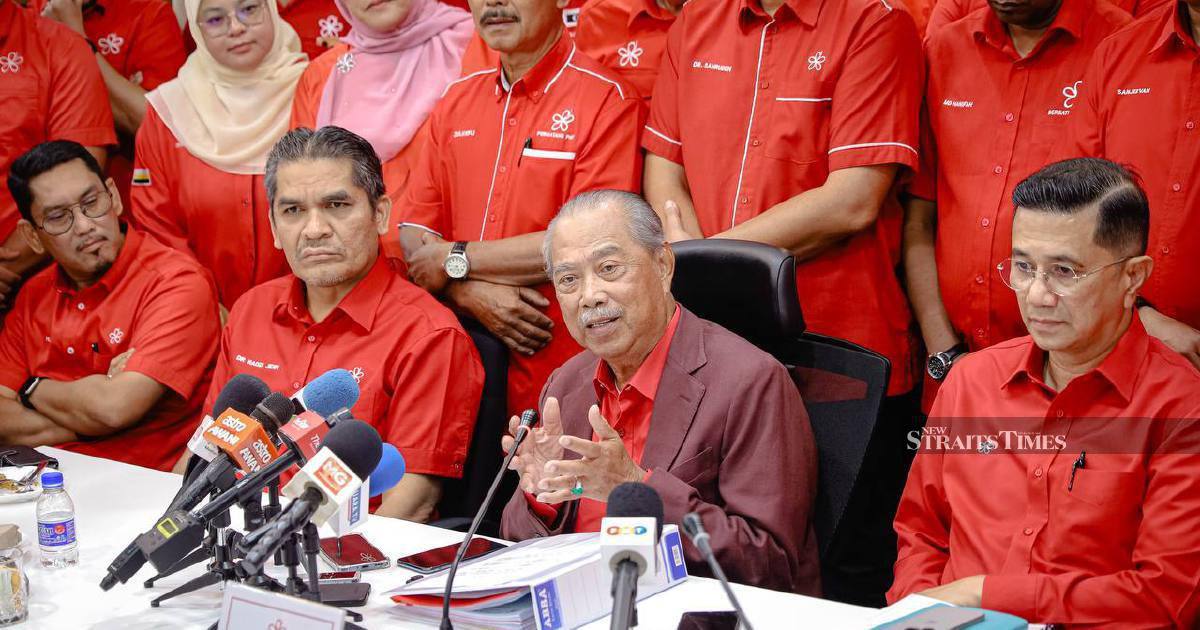
Bersatu is bracing itself for a potential electoral showdown with Pas in Johor, according to the party's president Tan Sri Muhyiddin Yassin, as the political landscape in the southern state remains fluid ahead of the anticipated state elections. Speaking from his position as Bersatu's leader, Muhyiddin conveyed confidence that his party would be equipped to contest head-to-head against Pas should both organisations end up fielding candidates for overlapping constituencies.
The statement represents a notable shift in the delicate political positioning within Barisan Nasional and its related coalitions in Johor. Historically, the state has been a stronghold for traditional Umno politics, yet recent years have witnessed growing competition among various Malay-Muslim parties vying for grassroots support. Bersatu's willingness to openly acknowledge potential seat clashes with Pas suggests the party leadership believes it possesses sufficient ground support and organisational readiness to mount credible challenges even in direct confrontations with the Islamist party.
Pas has been expanding its influence across several Malaysian states, particularly among rural constituencies and traditional strongholds previously considered safe for Umno and its coalition partners. In Johor specifically, the party has been investing considerable effort in strengthening its membership and organisational structure. The prospect of multi-cornered contests involving Bersatu, Pas, and potentially Umno candidates in the same constituencies underscores the increasingly fragmented nature of Malay-Muslim political representation in peninsular Malaysia.
Muhyiddin's confidence also reflects broader calculations within Bersatu regarding its electoral viability and standing among Johor voters. The party, which broke away from Umno several years ago, has been attempting to carve out a distinct political identity separate from both Umno and the increasingly competitive landscape it now navigates. Direct electoral contests against Pas would test whether Bersatu has successfully established a sufficient voter base independent of traditional Umno supporters.
The implications for Johor's political landscape extend beyond mere seat allocation. Should multiple Malay-Muslim parties contest the same constituencies without a unified electoral pact, it could potentially fragment the vote in ways that benefit opposition coalitions or non-Malay-Muslim contenders. This phenomenon, sometimes referred to as "vote splitting," has been a recurring challenge in Malaysian elections, particularly in states where ethnic and religious constituencies create complex political dynamics.
Bersatu's readiness to confront Pas directly may also be shaped by its assessment of voter sentiment in different Johor districts. The party appears to be signalling that it does not believe all constituencies fall within Pas's growing sphere of influence and that competition remains viable in numerous seats. This perspective requires substantial confidence in party machinery, candidate quality, and perceived resonance with local communities.
The political environment in Johor remains notably uncertain, with various alignments and coalitions shifting frequently. Bersatu's public positioning on potential seat clashes with Pas serves multiple purposes: it demonstrates organisational confidence to party members and supporters, it signals to potential allies and rivals that Bersatu will not automatically concede territories, and it establishes negotiating parameters for any future electoral arrangements or seat-sharing discussions.
Regional observers note that Johor's political trajectory carries significance beyond the state itself. As Malaysia's largest and most economically dynamic state after Selangor, electoral outcomes in Johor influence perceptions of momentum for national coalitions and individual parties. A credible showing by Bersatu in direct contests with Pas would strengthen the party's claim to serious contention in Malaysian politics, while conversely, significant losses might necessitate recalibration of strategic partnerships and electoral positioning.
The timing of Muhyiddin's statement also reflects ongoing internal discussions about seat allocation frameworks. In Malaysian electoral practice, coalition partners typically engage in complex negotiations to determine who contests which constituencies, seeking to minimise intra-coalition competition while maximising overall seat wins. Bersatu's public declaration that it remains prepared for direct competition against Pas injects a note of uncertainty into such calculations, potentially strengthening its negotiating position with other coalition partners who may prefer avoiding three-way contests in swing constituencies.
For Malaysian voters and political observers, particularly those in Johor, these developments indicate that the coming state election will likely feature more competitive and unpredictable contest dynamics than previous electoral cycles. The willingness of parties to openly acknowledge and accept direct electoral competition suggests a political system evolving toward greater inter-party contestation, at least among Malay-Muslim formations, which historically coordinated more extensively through formal and informal mechanisms.
Bersatu's positioning should also be understood within the context of its broader political project. The party has been attempting to establish itself as a moderate Malay-Muslim alternative to both Umno's established dominance and Pas's Islamist orientation. Direct electoral contests provide opportunities to demonstrate this alternative positioning to voters while building party brand recognition independent of coalition partnerships.