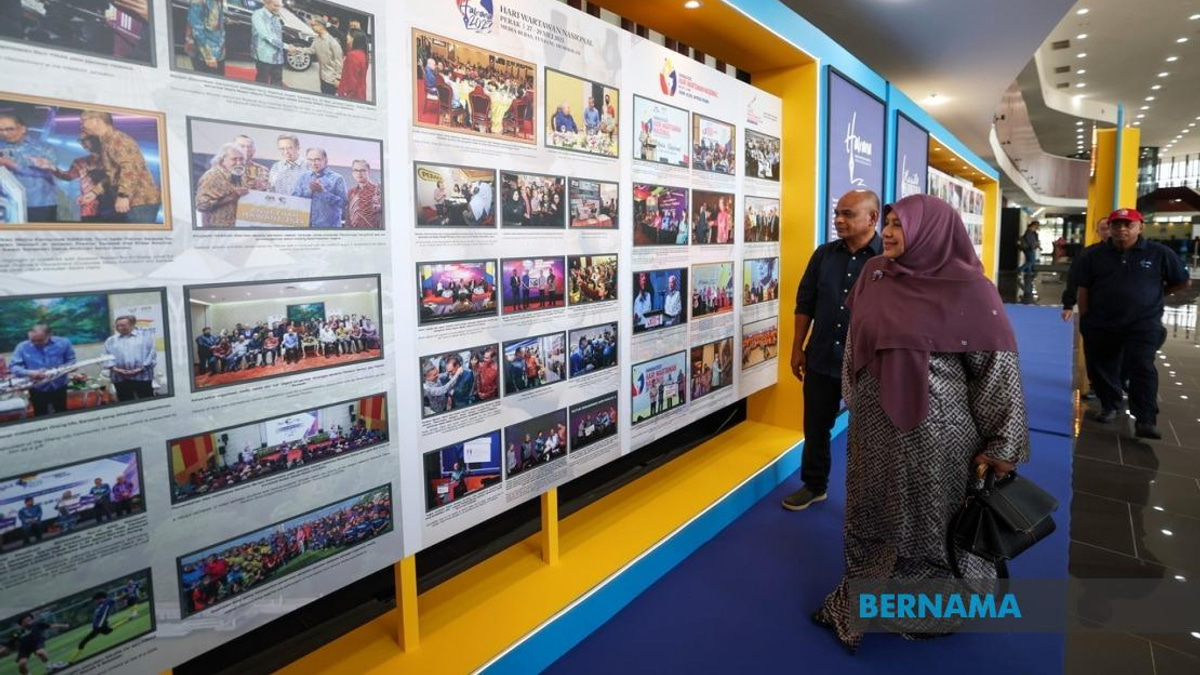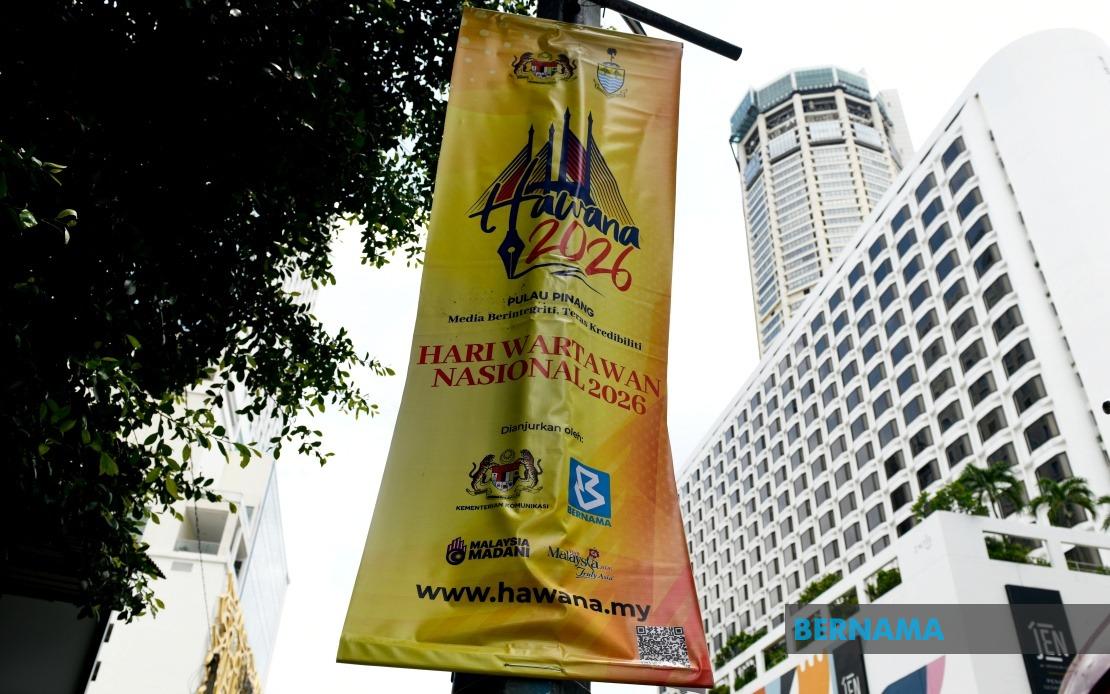
Communications Minister Datuk Fahmi Fadzil arrived in Penang on Wednesday to oversee a slate of activities culminating in Malaysia's National Journalists' Day celebrations, underscoring the government's commitment to recognising the media's pivotal role in advancing the nation. His two-day working visit takes place as the country marks HAWANA 2026, an annual observance designed to honour the dedication and professionalism of journalists across all platforms.
Fahmi's itinerary reflected a deliberate effort to bridge government officials, media practitioners, and creative industry stakeholders across multiple forums. He opened his visit by attending the Malaysia Media Retreat Programme 2.0 in Seberang Jaya on Wednesday afternoon, an initiative bringing together editors-in-chief and senior executives from local and international media organisations. The event itself positioned the media sector as instrumental to national progress, offering a space for practitioners to network and exchange insights on contemporary journalism challenges.
Later that evening, Fahmi participated in a state government dinner hosted by Penang Yang Dipertua Negeri Tun Ramli Ngah Talib, signalling the coordinated engagement between federal and state authorities in marking the occasion. His attendance at the RIUH Pi HAWANA Carnival at PICCA Convention Centre in Butterworth underscored an effort to position journalism within a broader cultural context, linking media work to the creative economy. The three-day carnival combines artistic workshops, including cyanotype printmaking and stone-carving demonstrations, with performances by local acts such as Sakura Band and Budak Nakal Hujung Simpang, indicating an attempt to reframe journalism as integral to Malaysia's creative landscape rather than as a purely professional or institutional concern.
The carnival's structure reveals an interesting shift in how the government presents media to the public. With free admission, over 24 local creative product vendors, and food-and-beverage outlets, the event targets families and community members beyond journalism circles. This approach acknowledges that media credibility depends not just on industry standards but on public trust and understanding of journalism's role in society—a particularly relevant concern in Malaysia, where media outlets face persistent scrutiny regarding political balance and editorial independence.
On Thursday morning, Fahmi continued his packed schedule with a community-focused session at Seberang Jaya Public Market Food Court, choosing an informal setting to engage journalists and industry figures. This venue selection—a wet market food court rather than a formal conference hall—reflected an intention to position government dialogue with media as accessible and grounded rather than hierarchical. Immediately following was a media dialogue session at 9.30 am in Butterworth, providing an opportunity for journalists to directly raise concerns and discuss policy directions affecting their work.
The centrepiece of the two-day visit is the HAWANA 2026 Grand Finale, to be officially opened by Prime Minister Datuk Seri Anwar Ibrahim. The event, themed "Media Integrity Strengthens Credibility," carries particular significance in Malaysia's current political environment, where concerns over misinformation, political interference in editorial decisions, and the sustainability of journalism have intensified. The theme's emphasis on integrity suggests government acknowledgment of these anxieties and an attempt to reaffirm institutional commitment to independent, reliable journalism.
Expectations of approximately 1,000 media practitioners attending from Malaysia and overseas underscore HAWANA's status as the country's premier platform for journalism recognition. The inclusion of international journalists expands the conversation beyond domestic boundaries, positioning Malaysian media within regional and global contexts. For Southeast Asian observers, Malaysia's investment in such formal celebrations of journalism reflects broader regional tensions between government oversight and press freedom—issues that resonate across Thailand, the Philippines, Myanmar, and Indonesia, where media independence faces comparable pressures.
HAWANA's positioning under the Ministry of Communications, with Bernama (Malaysia's national news agency) as the implementing body, reflects the state's significant footprint in mediating narratives about journalism itself. While the ministry's role ensures coordination and resources, it also raises questions about editorial autonomy that journalists in Malaysia continually navigate. The event's emphasis on recognising media practitioners' "contributions, dedication and professionalism" frames journalism primarily through institutional and professional lenses, potentially sidelining critical debates about ownership structures, political pressure, and the economic viability of independent newsrooms.
For Malaysian readers and regional observers, Fahmi's active participation signals ministerial engagement with industry concerns during a period when digital disruption, economic pressures, and polarised public discourse have fundamentally altered journalism's operating environment. His attendance at grassroots carnival activities and informal dialogues suggests an administration attempting to present media policy as consultative rather than top-down, though the real impact of such engagement depends on whether government commitments translate into concrete policy measures protecting editorial independence and supporting sustainable journalism business models.
The HAWANA 2026 grand finale ultimately represents an opportunity to assess whether Malaysian journalism, celebrated at the national level, is receiving adequate protection and resources to fulfil its democratic functions. The presence of Prime Minister Anwar Ibrahim at the main event indicates high-level government interest, but the event's real significance will be measured by whether the attention translates into policy backing for press freedom, investigative journalism support, and protections against intimidation of journalists—standards increasingly scrutinised by international media freedom organisations.