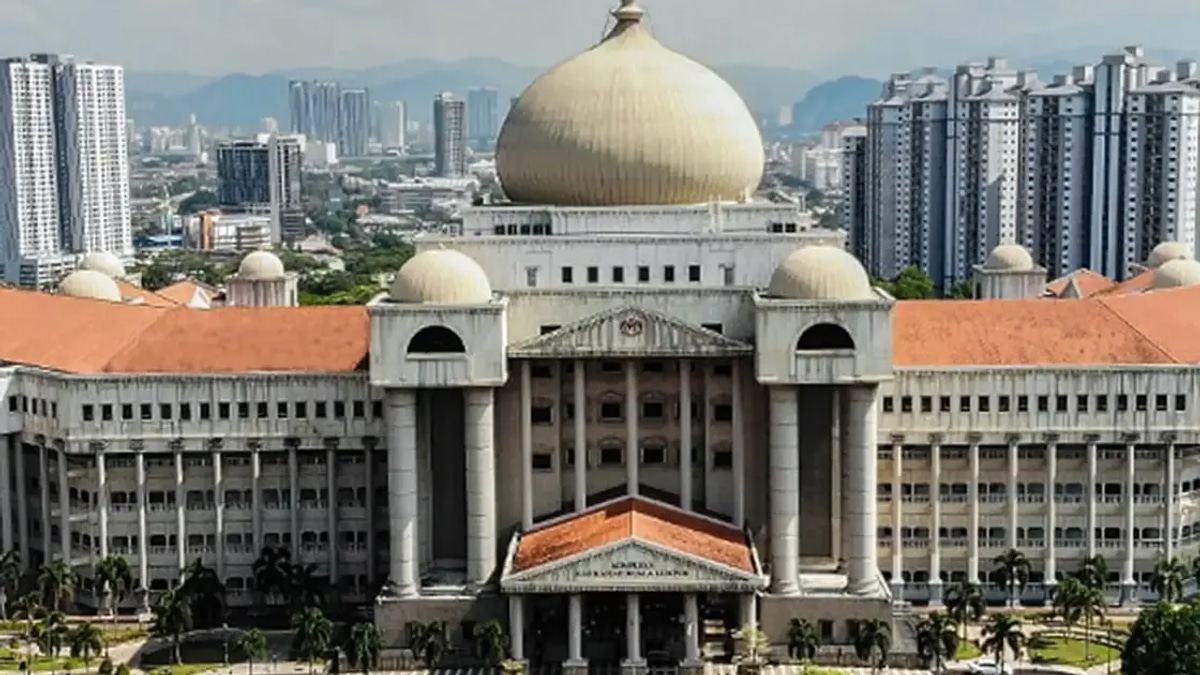
Malaysia's Court of Appeal has substantially trimmed the general damages to be paid by Tan Sri Muhyiddin Yassin to DAP adviser Lim Guan Eng, cutting the award from RM1.05 million to RM450,000 in a high-profile defamation dispute heard in Putrajaya. The appellate court's decision to reduce the compensation reflects a recalibration of the damages originally assessed at the trial level, marking a significant development in a case that has drawn attention across the nation's political landscape.
The defamation suit centres on statements made by Muhyiddin concerning the revocation of tax exemption status granted to Yayasan Albukhary, a foundation that had been operating under special tax privileges. These remarks, according to the legal proceedings, were alleged to have damaged Guan Eng's reputation and professional standing. The case illuminates the intersection of political speech, charitable governance, and libel law in Malaysia, where public figures frequently navigate the balance between commenting on matters of public interest and potential legal liability for false or injurious statements.
The Court of Appeal's decision to substantially pare down the initial damages award suggests the appellate bench took a measured approach to evaluating the extent of harm suffered by the plaintiff. Damage assessments in defamation cases require courts to weigh multiple considerations, including the gravity of the allegations, the breadth of publication, the standing of the plaintiff, and the persistence of reputational injury. By reducing the figure to RM450,000, the court appears to have concluded that while the statements were indeed defamatory, the quantum of compensation warranted a more conservative award than the trial judge had determined.
For Malaysian legal observers, the reduction carries implications for how appellate courts calibrate defamation damages in an era when political discourse has become increasingly combative. The Guan Eng-Muhyiddin dispute reflects broader tensions within Malaysia's political ecosystem, where rival factions frequently level serious accusations against one another. This judgment may serve as a reference point for future cases involving public figures and political speech, establishing guideposts for what courts deem proportionate compensation when reputational harm occurs.
The Yayasan Albukhary tax exemption issue itself represents a matter of significant public and governmental concern. The foundation's loss of tax-exempt status would have had financial implications for its operations and fundraising capacity. That this dispute became the subject of competing public statements and ultimately litigation underscores how governance and charitable matters can become entangled with political controversy in Malaysia's multi-layered institutional landscape. Questions about the justification for removing tax privileges from charitable organisations are inherently matters of public debate, yet the manner in which such criticism is articulated carries legal consequences.
The distinction between the trial court's RM1.05 million award and the appellate court's RM450,000 figure represents a reduction of approximately 57 percent. Such a substantial cut raises questions about the evidentiary basis the trial judge employed and how the appellate bench re-evaluated the evidence. Courts typically reduce damages on appeal when they believe a lower court has acted excessively or failed to apply appropriate benchmarks for assessing compensation in analogous cases. The appellate decision signals that establishing the fact of defamation does not automatically entitle a plaintiff to damages at the highest end of the judicial spectrum.
For Lim Guan Eng specifically, the outcome represents a mixed result. While the Court of Appeal upheld the finding that Muhyiddin's statements were defamatory—vindicating his position that his reputation had been wrongfully attacked—the substantial reduction in monetary compensation may be experienced as a setback. The RM450,000 award, while material, falls short of the original trial judgment and may not fully compensate for legal costs and reputational damage endured over the course of the proceedings. Yet the affirmation of defamation liability itself carries significance, as it establishes a formal legal record that the statements at issue were false and injurious.
The case also illustrates the mechanisms through which Malaysian courts address disputes between high-profile political and civil society figures. Defamation litigation involving such individuals invariably attracts public and media attention, and judges must render decisions that apply established legal principles while being mindful of the broader implications for political discourse and freedom of expression. The appellate bench's decision to uphold the defamation finding but reduce damages reflects an effort to strike that balance—holding speakers accountable for false statements while not permitting damage awards so large that they effectively chill legitimate public commentary.
From a Southeast Asian perspective, Malaysia's approach to defamation law and judicial remedies sits alongside varying frameworks across the region. Some jurisdictions have moved toward strengthening protections for public comment and reducing reliance on expensive defamation litigation as a tool for settling political disputes. The reduction in the Guan Eng award may reflect judicial awareness of international trends emphasizing proportionality in defamation damages, particularly where public figures and matters of governmental interest are involved. This trend merits monitoring as Malaysian courts continue developing jurisprudence in an increasingly complex media and political environment.
The implications of this judgment extend beyond the immediate parties involved. For politicians, activist leaders, and public commentators navigating Malaysia's contentious landscape, the decision reinforces that false statements can generate legal liability, yet suggests courts may not award compensation at the upper end of what plaintiffs seek. For defendants facing defamation claims, the judgment demonstrates that appellate scrutiny of damages awards can yield meaningful reductions. The case underscores the ongoing tension in Malaysian law between protecting reputation and preserving space for vigorous public debate on matters affecting governance and the public interest.