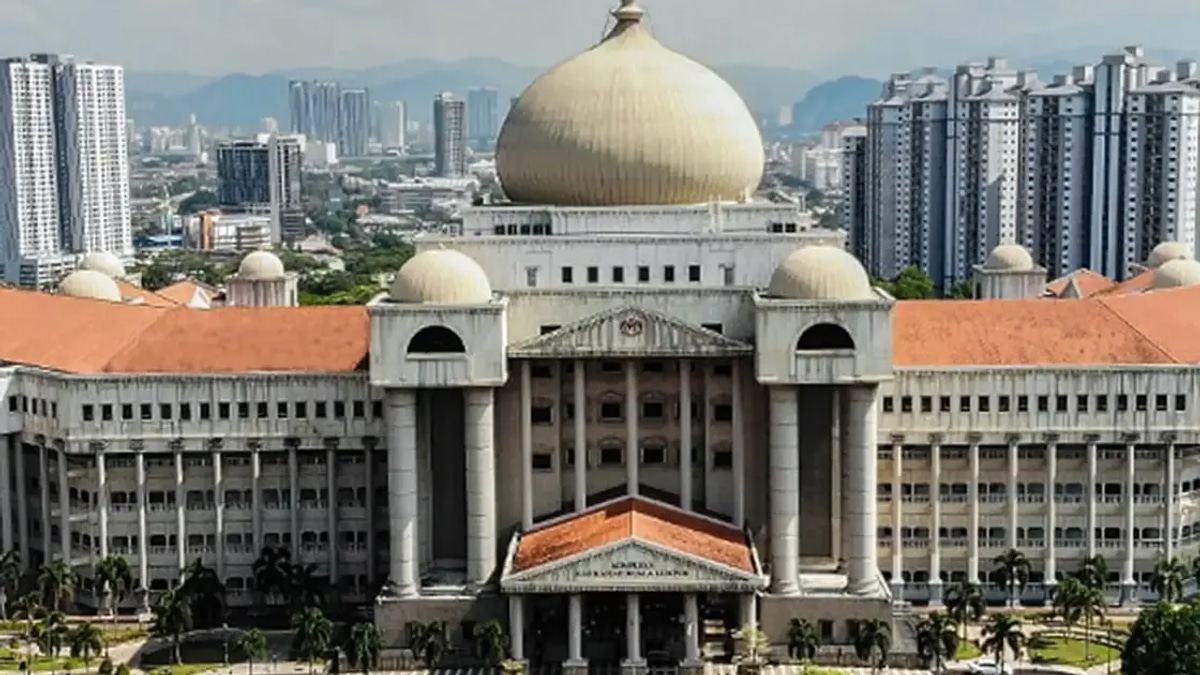
Bersatu's attempt to restore access to its frozen bank accounts has ended in defeat, with the High Court determining that the political party could not substantiate its assertion that the Malaysian Anti-Corruption Commission had overstepped its legal authority in imposing the financial restrictions. The ruling represents a significant setback for the party as it grapples with mounting financial constraints at a time when Malaysian politics remains fluid and unpredictable.
The freeze, which affects accounts held with both CIMB and AmBank, has created operational challenges for Bersatu as the party seeks to maintain its administrative machinery and fund its political activities. Financial restrictions of this magnitude typically hamper a political party's capacity to mount campaigns, pay staff, and manage routine expenditures, placing Bersatu at a competitive disadvantage against better-resourced rivals. The court's refusal to lift the freeze means these constraints will persist for the foreseeable future.
Judges in the High Court examined whether the MACC had acted within its mandate and legal parameters when freezing the accounts. The commission typically resorts to such measures as part of corruption investigations, particularly when authorities suspect that funds may be connected to improper activities or need to be preserved as evidence. The court's finding that no abuse of power had occurred suggests that the MACC followed proper procedures and had reasonable grounds for its action.
This decision carries broader implications for Malaysian politics and anti-corruption enforcement. It affirms that the courts will not readily overturn MACC decisions unless clear evidence of procedural impropriety or ultra vires actions is presented. For Bersatu, the verdict reinforces that merely claiming injustice without substantive legal proof of misconduct will not sway judicial review. The party had wagered that demonstrating the MACC's actions were disproportionate would secure a favorable ruling, but the High Court remained unconvinced.
Bersatu's position in Malaysia's political landscape has been volatile since the party's formation. Founded as a breakaway faction, it has experienced internal turbulence, shifting alliances, and periodic legal scrutiny. The frozen accounts situation adds another layer of difficulty to a party already navigating an uncertain political trajectory. Without access to these funds, the party faces heightened pressure to seek alternative financial arrangements or curtail its operational scope significantly.
The MACC's investigation underpinning the freeze has not been fully detailed in public disclosures, but such actions typically relate to alleged misuse of party funds, unexplained financial transactions, or suspicions that accounts may have been utilized for purposes inconsistent with party regulations. The commission's authority to freeze accounts stems from anti-corruption legislation granting it investigative powers to preserve assets pending potential prosecutions. Courts generally respect this authority provided it is exercised transparently and with proper documentation.
For political parties across Malaysia, this judgment sends a cautionary message about financial accountability. As electoral competition intensifies and parties increasingly rely on substantial funding to sustain their organizational capacity, regulatory scrutiny of party finances is likely to intensify. Political parties cannot assume that courts will automatically intervene in administrative decisions made by anti-corruption authorities, even when such measures create operational strain.
Bersatu's legal team presumably argued that the freeze was disproportionate or that the MACC lacked sufficient justification for such a sweeping measure. However, the High Court's determination suggests that the prosecution successfully demonstrated adequate grounds for the action. This outcome reflects a judicial philosophy that respects enforcement agency discretion in corruption investigations provided procedural requirements are satisfied.
The implications extend beyond Bersatu's immediate predicament. Other political organizations, whether established parties or nascent movements, may face similar investigations and restrictions. The High Court's precedent indicates that challenging such measures will require more than assertions of unfairness; parties must present compelling evidence that authorities have genuinely exceeded their powers or acted with clear intent to persecute rather than investigate.
Bersatu's options going forward appear limited. Appeals to higher courts remain theoretically possible, though such moves typically require identifying significant legal errors in the original judgment. The party may also pursue separate legislative avenues, though resorting to political pressure to reverse a judicial decision regarding anti-corruption enforcement would invite considerable public criticism and accusations of undermining institutional independence.
The frozen accounts situation also reflects a broader trend in Malaysian governance where anti-corruption agencies possess substantial investigative reach and financial enforcement capabilities. While such powers are ostensibly designed to combat genuine wrongdoing, they simultaneously create potential for parties viewed as politically inconvenient to face administrative obstacles. The High Court's upholding of the freeze demonstrates that the judiciary will not lightly second-guess enforcement decisions, placing the burden squarely on investigated parties to prove misconduct rather than on authorities to justify their actions.
For Malaysian business and political observers, this judgment underscores the paramount importance of meticulous financial management and transparent fund handling. Political parties and organizations must maintain comprehensive documentation of their financial activities, as such records become critical should disputes with regulatory authorities arise. The court's decision ultimately reinforces that transparency and proper procedures remain the strongest defense against regulatory intervention.