The Democratic Action Party has unveiled its slate of four candidates for the Johor state assembly election on July 11, signalling an ambitious push to consolidate opposition control across constituencies within the Kulai parliamentary zone. The announcement, made by DAP secretary-general and Transport Minister Anthony Loke Siew Fook at a ceremony here, reflects the coalition's broader strategy to maintain and expand its foothold in the state despite political headwinds facing the opposition nationally.
Nor Zulaila Abd Ghani, a 38-year-old private secretary to the Deputy Finance Minister, represents DAP's most strategically significant move—contesting the Tiram state seat for the first time. The party's decision to field a candidate in this Malay-majority mixed constituency marks a departure from previous electoral approaches and underscores confidence in broadening its appeal beyond traditional strongholds. Loke emphasised that the party expects Nor Zulaila to secure voter backing, though such contests in mixed constituencies often hinge on communal voting patterns and the perceived inclusivity of opposition messaging.
Lee Wern Yiing, the 30-year-old chief of Johor DAP Socialist Youth, will contest the Johor Jaya seat, bringing generational renewal to the party's candidate roster. Her selection reflects a broader effort to incorporate younger voices into electoral campaigns, a trend evident across multiple political parties seeking to mobilise youth voters increasingly disengaged from traditional politics. The appointment of DAPSY's leadership figure also signals DAP's intention to activate its youth wing machinery for grassroots mobilisation.
Two additional candidates will contest from the Kulai parliamentary zone's three state assembly seats. Mohamad Shafwan Ani, aged 33 and a special assistant to the Kulai MP, will seek the Bukit Permai state seat, a position that DAP has opted to contest this cycle. Shafwan's nine-year involvement in the constituency provides ground-level experience that the party believes will translate into voter appeal. His candidacy reinforces DAP's strategy to dominate all three seats within Kulai—a parliamentary division that has become a key battleground between the opposition coalition and government-aligned parties.
Incumbent Senai assemblyman Wong Bor Yang, aged 40, will defend his existing seat, offering continuity and the electoral advantage of incumbency. Senai has remained a DAP stronghold, and Wong's re-nomination suggests party confidence in his performance and local standing. His retention contrasts with the fresh faces being fielded elsewhere, indicating DAP's differentiated approach to candidate selection based on both geographic opportunity and individual track records.
The Kulai constituency strategy articulated by Loke reveals how opposition parties are attempting to operate beyond simple reactive politics. By targeting all three seats within a single parliamentary zone rather than accepting defeat in one, Pakatan Harapan aims to deny the government any claim to momentum. PKR is contesting the Bukit Batu seat within the same zone, creating a division of labour within the coalition meant to avoid triangular contests that typically disadvantage opposition votes.
The timing of this announcement carries significance for Malaysia's broader political trajectory. The Johor state election represents an early test of opposition cohesion after the 2022 general election fractured the political landscape. Johor has historically been a stronghold for Barisan Nasional, though DAP's presence has grown considerably. A strong showing would help Pakatan Harapan demonstrate viability as an alternative administration capable of winning substantial electoral support.
Loke's confidence in the party's candidates, particularly the Tiram gambit, reflects wider conversations within opposition circles about whether they can move beyond their traditional demographic bases. Malaysian electoral politics remains substantially determined by communal voting, and any genuine shift in this pattern would carry implications far beyond Johor. The decision to contest Tiram, a mixed constituency with a Malay majority, suggests DAP believes it can appeal to non-Chinese voters through a combination of policy messaging and perceived competence in local administration.
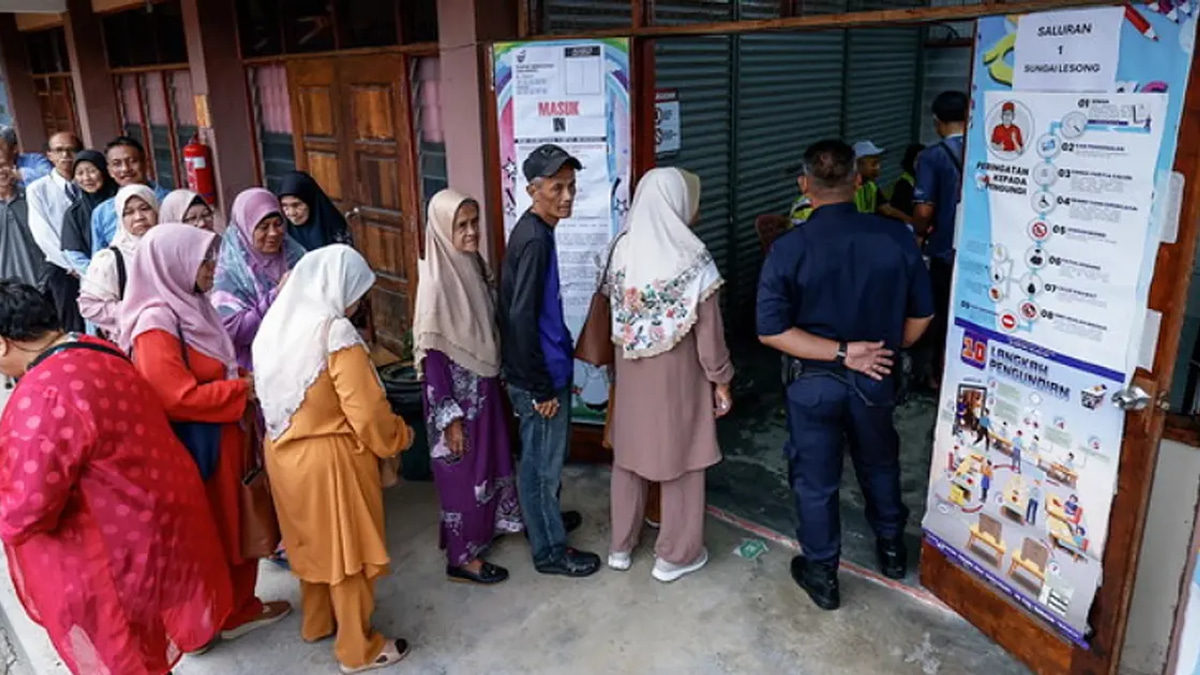
The electoral calendar fixed by the Election Commission provides a compressed timeline for campaigning. Nomination day falls on June 27, with early voting scheduled for July 7 and polling day on July 11. This tight schedule compresses the period for candidates to establish their presence and messaging, particularly relevant for newer faces like Nor Zulaila, who lacks the incumbency advantage of some competitors. The early voting provision also becomes crucial in mobilising voters unable to vote on the primary polling day.
For Malaysian readers and regional observers, the Johor election holds significance as a bellwether for opposition viability and coalition cohesion. The presence of both DAP and PKR candidates within the same parliamentary zone, rather than contested internal coalition negotiations, suggests Pakatan Harapan has successfully managed seat-sharing arrangements—a critical capability that was questioned after tensions emerged post-2022. However, the broader question remains whether the opposition can translate internal coordination into electoral gains against a government party structure that retains substantial organisational advantages and state resources.