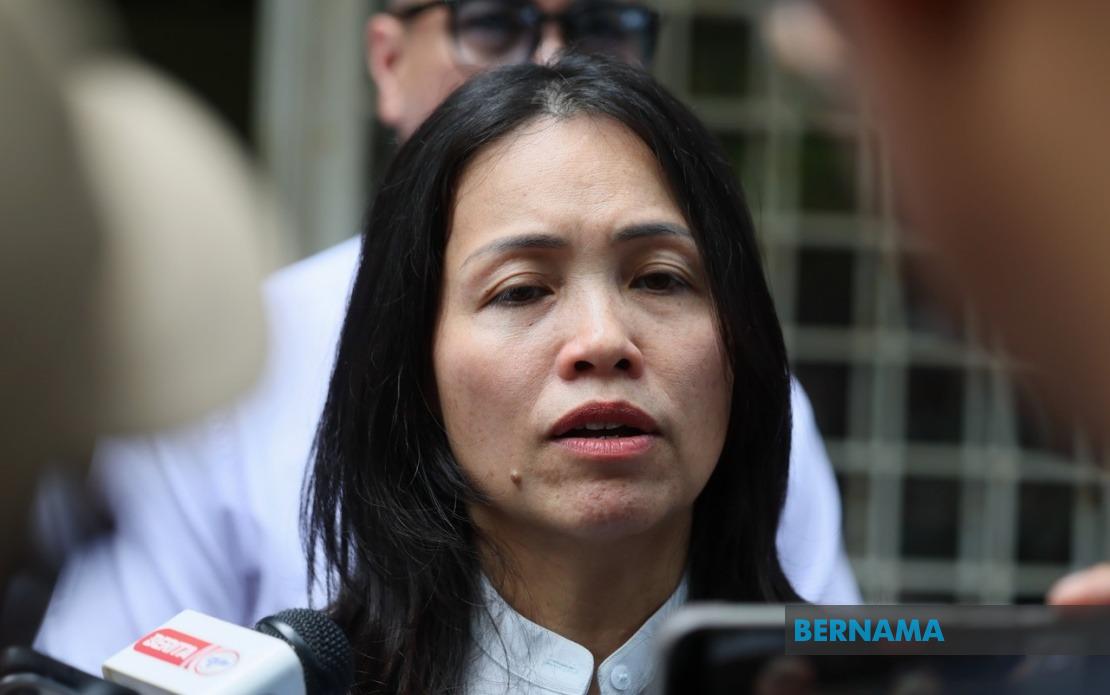
As Johor gears up for its state election on July 11, the Democratic Action Party (DAP) has sounded the alarm over what it describes as a coordinated campaign of deception involving the manipulation of campaign materials. Johor DAP chairman Teo Nie Ching raised concerns that certain political parties have been deliberately altering posters featuring potential DAP candidates, falsely depicting them as Muslim women wearing headscarves in ways that deviate from Islamic practice. The party views this tactic as a deliberate attempt to exploit religious sensitivities and stoke fear among non-Malay voters, particularly those from the Chinese community, ahead of voting day.
The underlying strategy, according to DAP's analysis, appears designed to drive a wedge between different voter communities by suggesting that the opposition coalition cannot be trusted with matters touching on religious observance and values. By weaponising religious imagery in this manner, the party argues that opponents are attempting to plant seeds of doubt about DAP's commitment to respecting Islamic practices and traditions. This type of campaign represents what political analysts often term identity politics—the mobilisation of voters through appeals to ethnic, religious, or cultural identity rather than substantive policy debate. In the Malaysian context, where religious and ethnic sensitivities remain deeply rooted in voter behaviour, such tactics carry particular potency.
Teo stressed that DAP has consistently demonstrated respect for all faiths and recognises that religious symbols and practices deserve serious, dignified treatment rather than becoming tools for political manipulation. The party's position reflects a broader commitment to defending the rights and dignity of all Malaysians regardless of their religious affiliation. As Deputy Communications Minister, Teo further emphasised that such tactics not only represent an assault on a political party's reputation but fundamentally disrespect women themselves by weaponising their identities and appearances for partisan advantage. This dimension of the controversy points to how misinformation campaigns frequently intersect with gender-based attacks, using women candidates or activists as targets for distortion.
The Election Commission has formally announced that nomination day will fall on June 27, with polling scheduled for July 11 following the dissolution of the State Legislative Assembly on June 1. Johor's 56 state seats represent a significant prize in Malaysian politics, given the state's economic importance and substantial population. Prior to dissolution, the seat distribution reflected Barisan Nasional's dominance with 40 seats, Pakatan Harapan's 12 seats, Perikatan Nasional's three seats, and MUDA's single seat. This configuration means that while BN enters the contest as the incumbent with a commanding majority, opposition forces will seek to leverage any discontent or shift in voter sentiment.
The timing and nature of the poster manipulation campaign raises questions about electoral ethics and the enforcement of campaign guidelines. Malaysia's Election Commission has established rules governing campaign conduct, including prohibitions against materials that incite religious or racial discord. The question of who is behind the altered posters and whether they violate these guidelines remains unclear, though DAP's public warning suggests the party intends to ensure such matters receive scrutiny. The party has appealed to voters of all backgrounds to recognise and reject divisive tactics, framing ethical voting behaviour as a choice for harmony rather than conflict.
For Malaysian voters, particularly those in Johor who will ultimately decide the outcome, this situation underscores the importance of media literacy and critical engagement with campaign materials. In an era of readily available digital manipulation tools, the ability to identify altered or false imagery has become a core civic competency. The proliferation of social media platforms has made it easier for misleading content to spread rapidly and widely, reaching voters before fact-checking mechanisms can respond effectively. Johor residents would be wise to verify campaign materials through official party sources rather than accepting images circulating through less reliable channels.
The broader implications of such campaigns extend beyond this single state election to the health of Malaysian democracy more generally. When political competition devolves into manipulation and deception rather than substantive debate about governance, policy, and vision for the future, voters lose the opportunity to make informed choices based on genuine differences between competing platforms. The public's trust in political institutions erodes when such tactics become normalised, and cynicism about the electoral process deepens. DAP's call for voters to consciously reject smear campaigns and choose unity represents an appeal to the better angels of democratic participation.
For the DAP and Pakatan Harapan more broadly, navigating Johor's electoral landscape presents distinct challenges. The state has historically been a Barisan Nasional stronghold, and the opposition coalition must appeal to voters across multiple demographic groups while managing the sensitivities that campaigns like this one attempt to exploit. Building trust with Malay-Muslim voters while maintaining support among non-Malay communities requires genuine engagement with all communities' concerns rather than dismissal of them. The party's response to these manufactured controversies will likely shape voter perceptions of its maturity, integrity, and readiness for broader governance responsibilities.
The Election Commission's role in monitoring campaign conduct and ensuring compliance with electoral rules will be tested as the campaign progresses toward polling day. Voters should feel confident that authorities take seriously any violations of campaign standards, including the deliberate creation and distribution of misleading materials. The commission's responsiveness to complaints and evidence of misconduct can significantly influence public confidence in the election's legitimacy and fairness. As Johor's political contest enters its formal phase, all stakeholders bear responsibility for elevating the standard of electoral discourse beyond manipulation tactics toward genuine deliberation about the state's future.