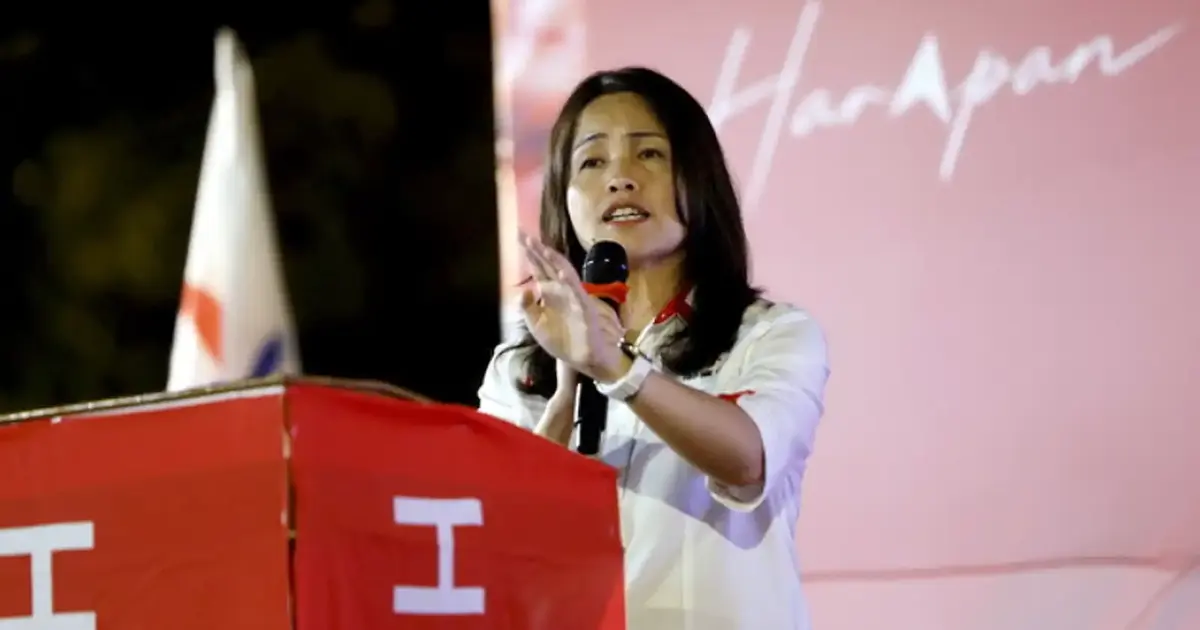
Johor DAP chairman Teo Nie Ching has opened up about an unconventional episode during the 2024 Mahkota by-election campaign, revealing that she actively supported Barisan Nasional despite the coalition being DAP's traditional electoral rival. The seasoned politician characterised the experience as "weird" yet necessary, framing her involvement as a tangible affirmation of her party's principles regarding fair competition and democratic governance in the country.
The Mahkota by-election, held in Pahang earlier this year, became an unexpected arena for cross-coalition cooperation and political reconciliation. Rather than contesting directly against their long-standing opponents, DAP leadership made the strategic decision to endorse the BN candidate, a move that defied conventional political logic. Teo's willingness to participate in canvassing for the opposing coalition represented a departure from standard partisan campaigning that dominates Malaysian electoral cycles.
Teo's decision to actively campaign for BN reveals deeper dynamics within Malaysia's political landscape post-2023 general election. The consensus that emerged between various political groupings reflected a pragmatic understanding that certain electoral contests could be managed cooperatively rather than competitively. This approach suggested that DAP and other components of the broader opposition coalition recognised opportunities to demonstrate maturity in their approach to democratic processes.
For Teo personally, the experience of waving the BN flag—a symbol traditionally opposed by DAP activists and supporters—carried profound symbolic weight. The physicality of the act, holding aloft a flag bearing the symbol of a rival political entity, created cognitive dissonance for party faithful accustomed to decades of adversarial positioning. Yet Teo's framing of the moment emphasized that principle superseded tribal political loyalty in this instance.
The justification Teo offered centred on demonstrating DAP's "sincerity" regarding democratic values. By actively supporting an opponent when circumstances dictated, she argued that DAP could credibly claim commitment to fair elections and good governance beyond mere rhetorical posturing. This calculated display of political maturity aimed to reshape perceptions of the party's approach to competition and conflict resolution within democratic systems.
The Mahkota by-election itself resulted from circumstances that thrust the seat into special polling. The decision by various political actors to manage the contest cooperatively rather than fiercely competitive represented a notable shift in Malaysian electoral culture. Historically, every available seat has been contested aggressively by all major coalitions, but the Mahkota scenario introduced a different template for how competing political forces might interact.
From a strategic perspective, Teo's participation signalled broader DAP calculations about positioning within Malaysian politics. By demonstrating willingness to subordinate immediate electoral gain to broader governance principles, the party sought to enhance its credibility as a responsible political actor. This proved particularly important for DAP, which has historically faced accusations from opponents regarding its communal focus and allegedly sectarian approach to politics.
The experience also illuminated complexities facing modern Malaysian political leaders navigating competing loyalties. Teo's comfort in promoting a rival candidate reflected her maturity as a political operator and willingness to transcend narrow partisan interests when circumstances warranted. Such flexibility, while unusual in Malaysian politics, increasingly characterises how seasoned politicians approach coalition arrangements and inter-party coordination.
For Malaysian voters observing such dynamics, the Mahkota episode offered glimpses into behind-the-scenes negotiations and mutual understandings that rarely make public appearances. Teo's candid recounting of what she experienced as an unusual moment suggested that political deals and accommodations extend far beyond what citizens typically witness during campaign season. The transparency with which she addressed the episode contributed to demystifying how Malaysian politics actually functions at leadership levels.
The broader implications of Teo's actions extended to questions about Malaysia's trajectory toward more institutionalised, less personalised political competition. If major coalitions could cooperatively manage electoral contests without attempting maximum gains, this suggested maturation in how political disputes were being resolved. However, such cooperation required unprecedented levels of trust and coordination between traditionally antagonistic camps.
Teo's willingness to recount the experience publicly demonstrated confidence that DAP supporters would understand the tactical rationale underlying the Mahkota campaign decision. By casting her involvement in terms of principle rather than pragmatic political exchange, she attempted to frame the cooperation as principled rather than transactional. This narrative crafting mattered enormously for maintaining party cohesion and preventing internal dissent from those uncomfortable with cross-coalition collaboration.
Moving forward, Teo's Mahkota experience establishes precedent for how DAP might engage in future electoral contests where cooperation rather than competition appears advantageous. The party's demonstrated capacity to transcend tribal political identities, whilst maintaining internal coherence, positions it as a more sophisticated political operator within Malaysia's evolving democratic landscape. Whether such flexible approaches become more commonplace or remain exceptional likely depends on how effectively leaders like Teo convince their constituencies that principles matter more than victory.