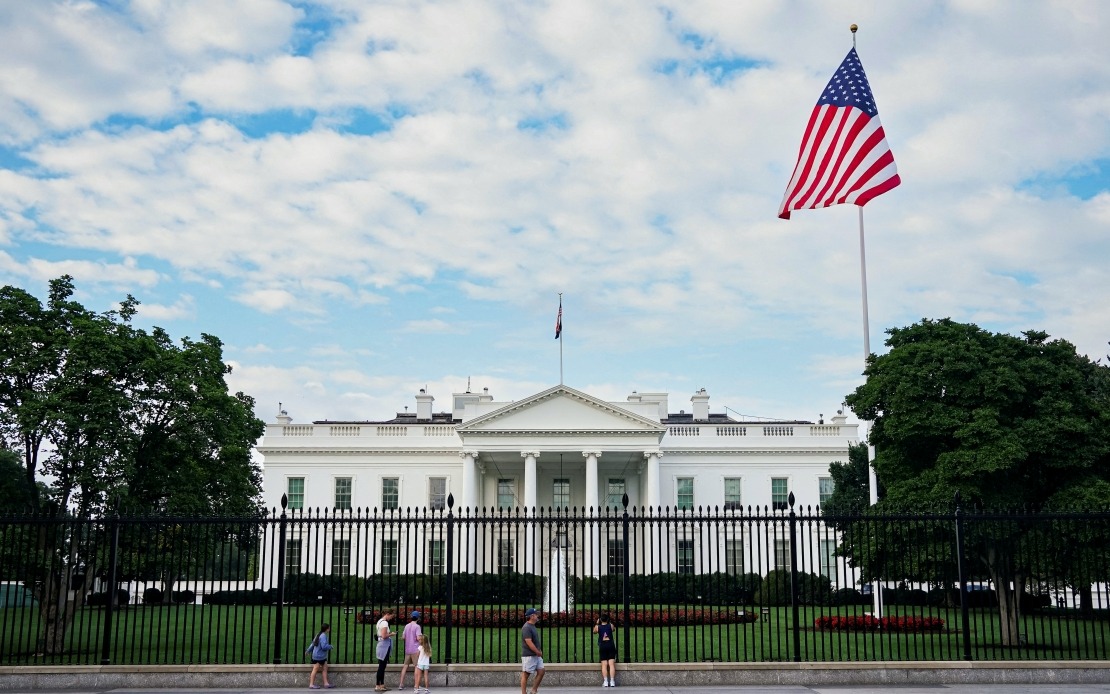
The Federal Bureau of Investigation has announced the successful disruption of a coordinated attack plan targeting an Ultimate Fighting Championship event held at the White House on Sunday to commemorate President Donald Trump's 80th birthday and the 250th anniversary of American independence. FBI Director Kash Patel disclosed the intervention on Tuesday, stating that law enforcement became aware of the potential threat on June 10 and moved swiftly to neutralise it before the event proceeded.
The alleged conspiracy represented a sophisticated multi-phase operation rather than a simple spontaneous threat. According to officials who spoke to Fox News, the initial plan centred on deploying explosive-laden drones to target buildings adjacent to the venue, creating chaos through mass casualties and forcing evacuations that would push crowds into predetermined kill zones controlled by snipers positioned in advance. This two-pronged assault strategy suggested careful advance planning and coordination among participants with access to significant weaponry and surveillance capabilities.
Authorities have taken five individuals into custody in connection with the plot, with investigators identifying a broader network of 23 people potentially involved in the conspiracy. The scope of this network underscores that law enforcement had uncovered not merely isolated bad actors but an organised group with multiple operational layers. Officials indicated that a second wave of attacks had been planned, specifically targeting White House perimeter security with an attempted breach of the gates, suggesting an intention to escalate the violence beyond the initial drone and sniper operations.
The unprecedented decision to host a cage-fighting spectacle on the South Lawn of the White House had already generated substantial controversy before security concerns emerged. Two Virginia residents filed legal challenges arguing that the event contravened federal regulations and security protocols. However, a federal judge in the US District Court for the District of Columbia rejected their attempts to obtain an injunction blocking the event on Friday, allowing preparations to proceed and ultimately permitting approximately 4,000 spectators to attend the Sunday gathering.
The alleged plot reflects a troubling pattern of escalating political violence in the United States that extends beyond a single incident or ideology. In April, a man carrying firearms and bladed weapons breached the security perimeter at the White House Correspondents' Dinner and was subsequently charged with attempting to assassinate the president. These incidents suggest that executive protection and venue security challenges have intensified considerably, requiring law enforcement agencies to adopt increasingly comprehensive threat assessment and prevention protocols.
For Malaysian observers and regional security professionals, this incident carries particular significance as it demonstrates how democratic nations manage internal security threats while maintaining open societies. The balance between preventing violence and permitting public events remains perpetually challenging, especially when those events involve high-profile political figures. The FBI's success in identifying and disrupting the plot before it materialised illustrates the importance of intelligence gathering and inter-agency cooperation.
The sophistication attributed to the alleged plot—involving coordinated drone operations, pre-positioned personnel, and multi-wave assault planning—indicates a level of operational capability that extends beyond amateur enthusiasm. Such coordinated attacks require resources, training, logistics coordination, and sustained operational security, suggesting that those involved possessed either military background, technical expertise, or access to individuals with such qualifications. The identification of 23 individuals in the broader network indicates that the conspiracy extended across multiple jurisdictions and involved compartmentalised cells.
The decision to proceed with the UFC event despite credible threat intelligence reflected a deliberate choice by the Trump administration to avoid allowing security concerns to disrupt high-visibility public occasions. This approach mirrors decisions made by other democratic governments facing security challenges—maintaining normal operations despite demonstrable threats serves a symbolic purpose by refusing to surrender to intimidation. However, it simultaneously required extraordinary security measures, heightened threat monitoring, and rapid tactical response capabilities positioned throughout the venue and surrounding areas.
The timing of the threat disclosure raises questions about information management and public communication strategy. The FBI announced the foiled plot only after the event had concluded successfully, avoiding unnecessary public panic or potential operational security compromises that earlier disclosure might have triggered. This timing also prevented the announcement from overshadowing the celebration itself, though it meant the public learned only retroactively that they had avoided a potential catastrophe.
Regional security agencies across Southeast Asia monitoring this incident will recognise comparable challenges in their own contexts. As nations host major international events and political celebrations, the requirement to identify and neutralise coordinated conspiracies without compromising the events themselves creates persistent operational dilemmas. The FBI's success in identifying 23 individuals and preventing an attack characterised by advanced tactics suggests that modern intelligence frameworks, when properly resourced and coordinated, can effectively disrupt even sophisticated plots.
The incident underscores the vulnerability of even the most heavily protected venues when facing determined, well-resourced adversaries willing to employ advanced weapons and tactics. The White House, America's most iconic and heavily guarded residence, required substantial additional security measures to accommodate a public event. This reality has implications for how democracies balance security imperatives with openness and accessibility—fundamental values that extremists specifically target to undermine.