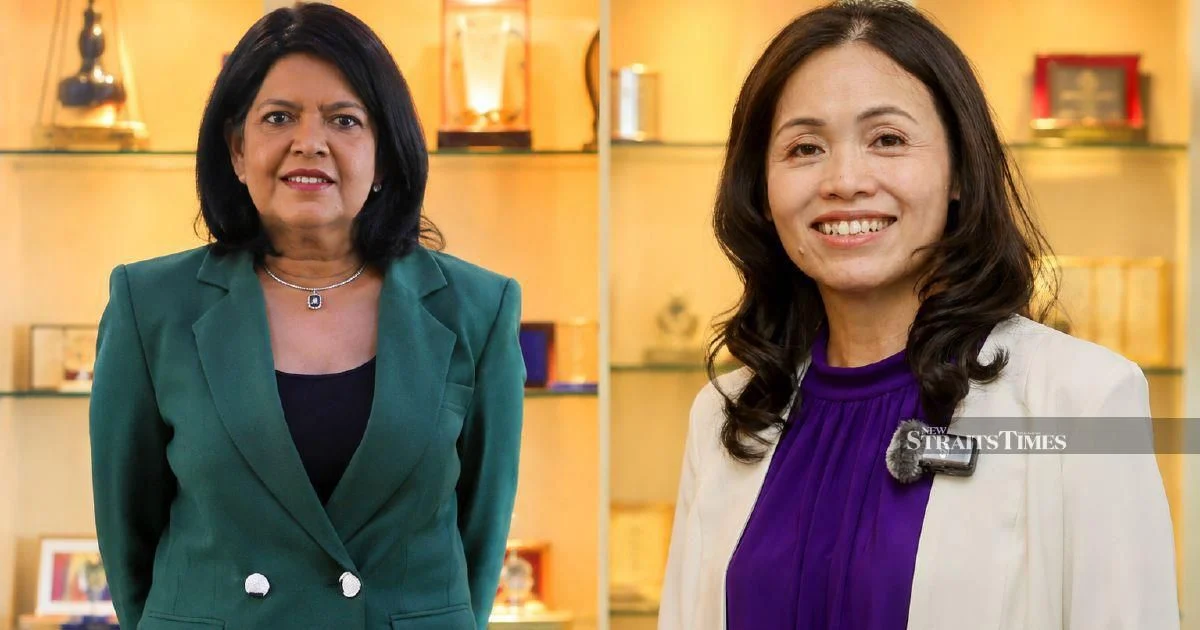
The Malaysian government has found its choice for the next chairman of the Malaysian Media Council in Tan Sri Nallini Pathmanathan, a veteran judge whose career has been marked by decisions affecting press freedoms and constitutional protections. Deputy Communications Minister Teo Nie Ching publicly endorsed the former Federal Court jurist this week, signalling confidence in her appointment to the influential media governance body.
Nallini's judicial background positions her at an important intersection of law, constitutional interpretation, and media oversight at a moment when press freedom issues remain central to Malaysia's democratic development. Her elevation to lead the MMC represents a significant endorsement of judicial expertise within an institution tasked with upholding media standards and accountability. The appointment reflects a broader strategy to draw experienced figures from the judiciary into civilian regulatory roles.
Teo's public backing of Nallini emphasises her judicial record specifically regarding press freedom cases and constitutional rights determinations. Throughout her years on the Federal Court bench, Nallini navigated complex legal questions involving the balance between media liberty and other constitutional protections. Her decisions have shaped how Malaysian courts interpret provisions relating to freedom of expression and the media's role in public discourse. These credentials suggest the government sees value in appointing someone with deep experience in media-related constitutional jurisprudence to a council responsible for industry self-regulation.
The Malaysian Media Council has long been positioned as the industry's primary self-regulatory mechanism, intended to maintain editorial standards and handle public complaints without direct government intervention. However, the body has faced periodic scrutiny over its effectiveness and independence. By appointing a respected former judge with a known record on media matters, there appears to be an attempt to bolster the council's credibility and institutional standing at a time when media regulation remains a sensitive topic across Southeast Asia.
Nallini's transition from the bench to media governance also reflects broader international trends of former senior judges taking on regulatory and governance roles in their post-judicial careers. Her appointment may serve to reinforce the separation between judicial oversight and media regulatory functions, with the council now led by someone who understands both legal constraints and editorial realities from her years in the courts.
The timing of this appointment comes as Malaysian media outlets continue grappling with regulatory expectations, accusations of political bias, and questions about editorial independence. Local newsrooms and publishers have alternately praised and criticised media council decisions, with some arguing the body lacks sufficient authority to address industry malpractices, while others contend it has become too restrictive. A leader with Nallini's background may help navigate these competing pressures by bringing judicial perspective to complex editorial disputes.
For Malaysian readers and industry observers, Nallini's appointment signals that media governance will be steered by someone versed in constitutional protections for press freedom rather than purely administrative or political considerations. Her Federal Court background means she has operated within the highest echelons of Malaysia's judiciary and presumably understands the interplay between constitutional guarantees, statutory limitations, and media responsibilities. This judicial lens could reshape how the media council approaches its mandate.
The appointment also carries symbolic weight within Malaysia's media landscape at a moment when questions persist about whether self-regulatory bodies can adequately protect public interest journalism while maintaining industry credibility. By selecting a figure associated with judicial independence and constitutional rigour, there is an implicit statement that the council should function with comparable impartiality. However, critics may question whether a former judge can fully transition to industry regulation without perceived bias toward legalistic approaches that sometimes conflict with journalistic values.
Within the broader Southeast Asian context, Malaysia's choice of a former senior judge to lead its media council distinguishes it from some neighbouring countries where media oversight remains more directly governmental or politically influenced. This move may reflect international pressure for stronger institutional mechanisms that insulate media regulation from political fluctuation. Nallini's appointment could influence how other regional jurisdictions structure their own media governance bodies, particularly if her leadership proves effective in maintaining both industry standards and public confidence.
Teo Nie Ching's public endorsement carries weight as the ministry oversees media policy and digital communications infrastructure. By naming press freedom specifically and repeatedly referencing Nallini's judicial credentials, the deputy minister has framed this appointment as a commitment to protecting constitutional media rights rather than tightening control. Whether this framing aligns with industry and public perceptions will likely depend on how Nallini prioritises her decisions once in office and how the council's work is perceived by newsrooms, readers, and civil society organisations monitoring press freedom indicators.
The road ahead for Nallini at the Malaysian Media Council will require balancing multiple stakeholder interests: media organisations seeking editorial autonomy, the government expecting responsible reporting, the public wanting accountability, and civil society groups monitoring democratic health. Her judicial experience may provide frameworks for navigating these tensions, though regulatory work differs substantially from judicial decision-making. Her success will be measured not just by industry compliance but by whether the council's authority and legitimacy strengthen under her leadership in ways that benefit Malaysian journalism and public discourse.