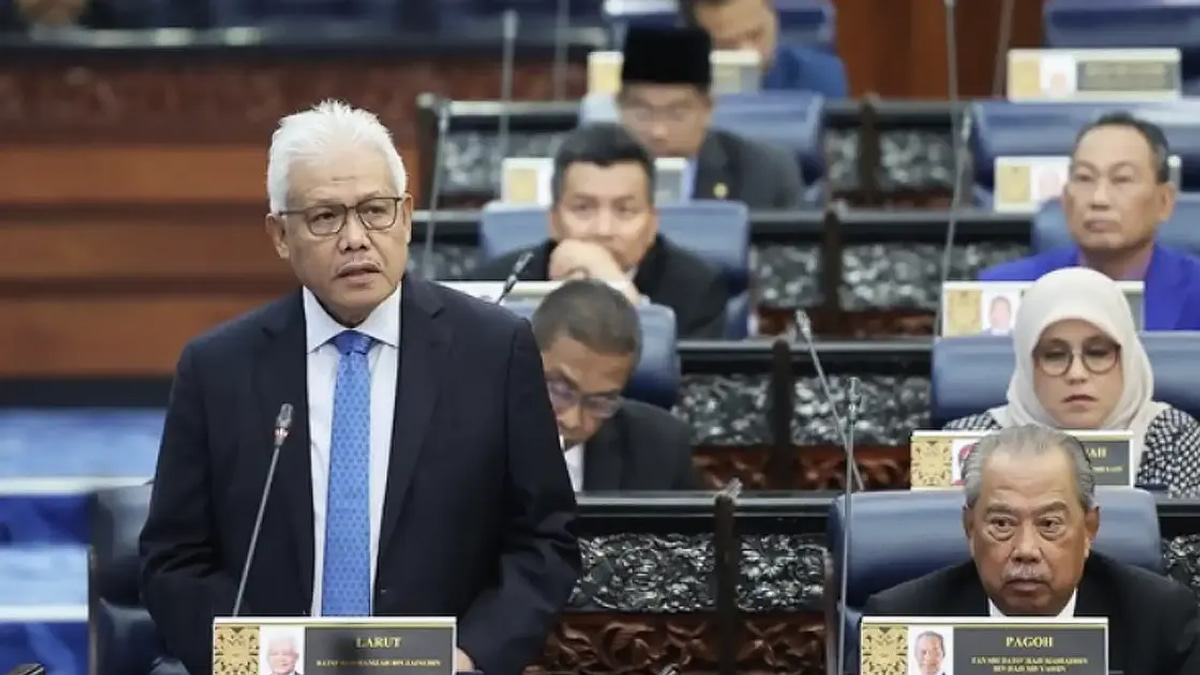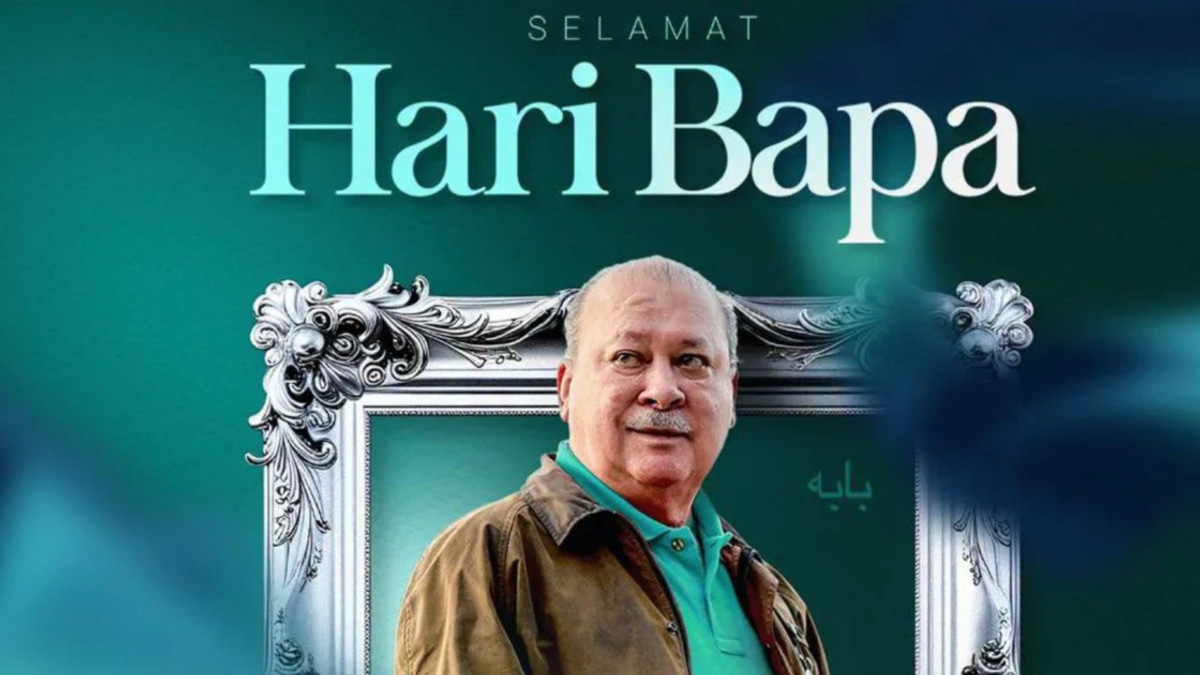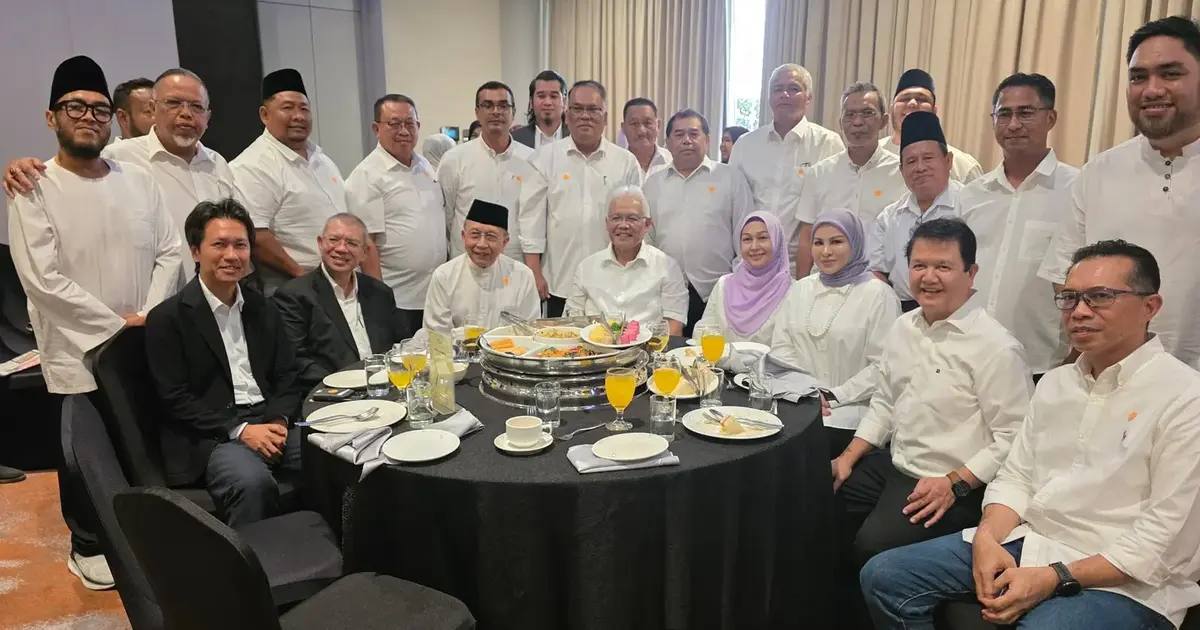
Hamzah has been elevated to the presidency of Wawasan, the movement announced, marking a significant leadership transition for the political organisation. The appointment underscores a strategic reshuffling of the movement's top positions as it seeks to strengthen its institutional framework and clarify its operational hierarchy during what appears to be a period of organisational consolidation.
The announcement came alongside the appointment of respected veteran politician Rais Yatim to the chairmanship, a position that signals Wawasan's intention to leverage his extensive experience in Malaysian politics and governance. Rais Yatim brings decades of parliamentary and ministerial service to the role, positioning the movement to benefit from his institutional knowledge and political networks accumulated across multiple government administrations.
Indera Mahkota Member of Parliament Saifuddin Abdullah has been designated as secretary-general, a crucial operational post responsible for day-to-day management and coordination of the organisation's activities. The appointment of an active parliamentarian to this role suggests Wawasan intends to maintain close integration between its grassroots operations and its parliamentary representation, ensuring that legislative priorities align with organisational objectives.
For Malaysian political observers, the trio's appointment reflects a broader pattern of leadership consolidation among the country's political movements. The formation of Wawasan itself represented an attempt to carve out a distinct political space, and the latest reshuffle indicates the organisation is moving beyond its founding phase into a more structured operational mode with clearly defined roles and responsibilities.
The significance of Rais Yatim's appointment extends beyond mere ceremonial recognition. As a former minister who has navigated Malaysia's complex political landscape across different administrations and coalition arrangements, his chairmanship provides institutional credibility and suggests Wawasan seeks to position itself as a serious political force rather than a fringe movement. His presence lends gravitas to the organisation's public profile and potentially opens doors to higher-level political engagements.
Saifuddin Abdullah's role as secretary-general is particularly noteworthy given his parliamentary status as the Indera Mahkota MP. This dual responsibility—maintaining both legislative duties and party operations—reflects a common practice in Malaysian politics where senior parliamentarians juggle multiple roles. The appointment indicates that Wawasan expects its secretary-general to drive organisational efficiency while translating parliamentary insights into strategic direction.
Hamzah's presidency represents the third pillar of this leadership structure, though his specific areas of focus and the precise delineation of powers between the president and chairman remain important considerations for understanding the movement's governance model. In many political organisations, such tripartite leadership arrangements can either enhance decision-making through distributed responsibility or create potential friction depending on how authority and accountability are defined.
The timing of these appointments carries political weight within the broader Malaysian context. With regular electoral cycles and frequent political realignments, Wawasan's decision to formalise its leadership structure suggests confidence in its medium-term sustainability and ambitions for electoral participation. The movement appears intent on establishing itself as a viable political entity rather than remaining a transitional or protest vehicle.
For Southeast Asian political analysts, Wawasan's evolution mirrors patterns seen across the region where new political movements attempt to establish institutional legitimacy and organisational depth. The appointment of figures with deep political experience to leadership positions is a calculated strategy to signal stability and serious intent to voters and potential coalition partners alike.
The implications for Malaysian politics extend beyond internal Wawasan dynamics. The movement's structure and leadership composition may influence coalition possibilities ahead of future elections and could affect the political calculations of other parties seeking viable partners. In Malaysia's coalition-dependent political system, the credibility and internal coherence of smaller political movements can disproportionately influence broader political outcomes.
Rais Yatim's appointment is particularly significant given his track record of ministerial work in information, communication technology, and culture—portfolios that touch on governance, institutional development, and public communication. His expertise in these areas could inform how Wawasan positions itself publicly and manages its organisational messaging. Saifuddin Abdullah's constituency base in Indera Mahkota provides the movement with a concrete electoral foothold and parliamentary voice.
The leadership appointments also suggest Wawasan is moving toward greater professionalisation of its operations. The explicit designation of these roles with established responsibilities indicates the movement is transitioning from informal, personality-driven governance to institutionalised structures that could outlast any individual leader. This maturation is critical for any political organisation seeking to establish genuine long-term viability in Malaysia's competitive political environment.