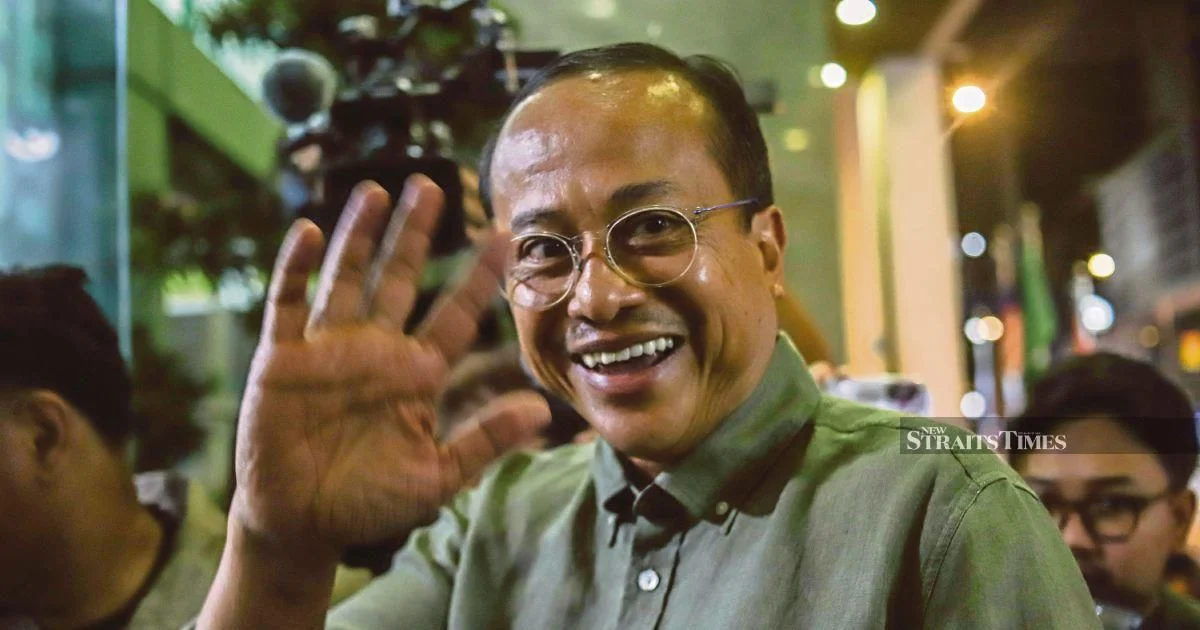
Datuk Seri Hamzah Zainudin, the Larut member of Parliament, continues to operate in a state of administrative limbo regarding his position as Opposition Leader in the Dewan Rakyat. Despite expectations that the Perikatan Nasional coalition would formalise his reappointment to this influential parliamentary role, no official notice has yet been filed with the legislative body, leaving the arrangement without statutory recognition.
The absence of formal notification from Perikatan Nasional represents an unusual procedural gap in parliamentary practice. When major parliamentary positions change hands—particularly roles as significant as Opposition Leader—standard protocol requires the coalition or party to lodge written notification with the Speaker's office and the relevant parliamentary authorities. This documentation serves not merely as administrative housekeeping but as the legal foundation upon which a member's authority, parliamentary privileges, and official responsibilities rest. Without it, Hamzah's leadership claim, though widely acknowledged within opposition circles and the media, lacks the institutional backing that would make it unquestionably binding.
The Opposition Leader position carries considerable weight within Malaysia's Westminster-style parliamentary system. The individual holding this role serves as the chief spokesperson for the opposition bench, leads questioning during sessions, and directs parliamentary strategy on behalf of non-government members. The leader also receives formal recognition, enhanced parliamentary access, and increased speaking time compared to ordinary backbenchers. These privileges and responsibilities are contingent upon proper official designation, making the current ambiguity potentially problematic for both Hamzah and the broader functioning of parliamentary opposition dynamics.
For Malaysian observers of parliamentary procedure, this situation underscores the sometimes informal nature of Malaysian politics, where substantive positions may exist in practice long before they receive complete bureaucratic formalisation. Such delays are not unprecedented in Malaysian parliamentary history, yet they can create complications if questioned or disputed. Should the government seek to challenge Hamzah's authority to speak on behalf of the opposition or contest his entitlements as a designated leader, the lack of formal notice could become a significant vulnerability.
Peikatan Nasional's apparent delay in submitting official notification warrants examination. Coalition dynamics may explain the pause—securing consensus among the diverse parties within a coalition structure often requires negotiation and coordination that administrative procedures alone cannot capture. Alternatively, the delay could reflect uncertainty within the coalition about broader parliamentary strategy or leadership priorities. The coalition currently represents the largest opposition force in Parliament, making its internal coherence and procedural clarity matters of consequence for parliamentary stability.
From a Malaysian political perspective, this situation highlights the distinction between de facto and de jure authority that occasionally surfaces in the country's political system. Hamzah is functioning as Opposition Leader, stakeholders accept him in that capacity, and he exercises the role's responsibilities. Yet without formal notice, parliamentary records do not legally recognise his appointment. This creates a curious disconnect between political reality and parliamentary documentation that could conceivably be exploited tactically if circumstances warrant.
The delay also raises broader questions about Peikatan Nasional's institutional capacity and internal coordination. The coalition, which includes Parti Islam SeMalaysia (PAS), Bersatu, and several other parties, must balance competing interests and ensure that decisions made at the leadership level translate into proper formal execution. The absence of swift notification following Hamzah's reappointment suggests either deliberation within coalition ranks or administrative oversight—neither of which projects optimal efficiency.
For readers tracking parliamentary developments, this procedural matter carries implications beyond the merely technical. It illustrates how Malaysia's political system, despite its formal constitutional architecture, sometimes operates according to informal understandings that may not align precisely with written procedures. The practical recognition of Hamzah's role does not require official notation to function day-to-day, yet it does create potential vulnerabilities and reflects whether opposition leadership structures enjoy institutional clarity and permanent standing.
As Parliament continues its sessions, attention will likely focus on whether Peikatan Nasional moves promptly to lodge the necessary official documentation. Doing so would transform Hamzah's role from a politically acknowledged position into one with formal parliamentary standing, clarifying his rights, privileges, and obligations under parliamentary rules. Until that formality is completed, Malaysia's Opposition Leader operates in a state of provisional authority that, while practically effective, remains administratively incomplete. The timeline for resolving this oversight remains uncertain, though stakeholders presumably recognise the eventual necessity of bringing parliamentary records into alignment with political practice.