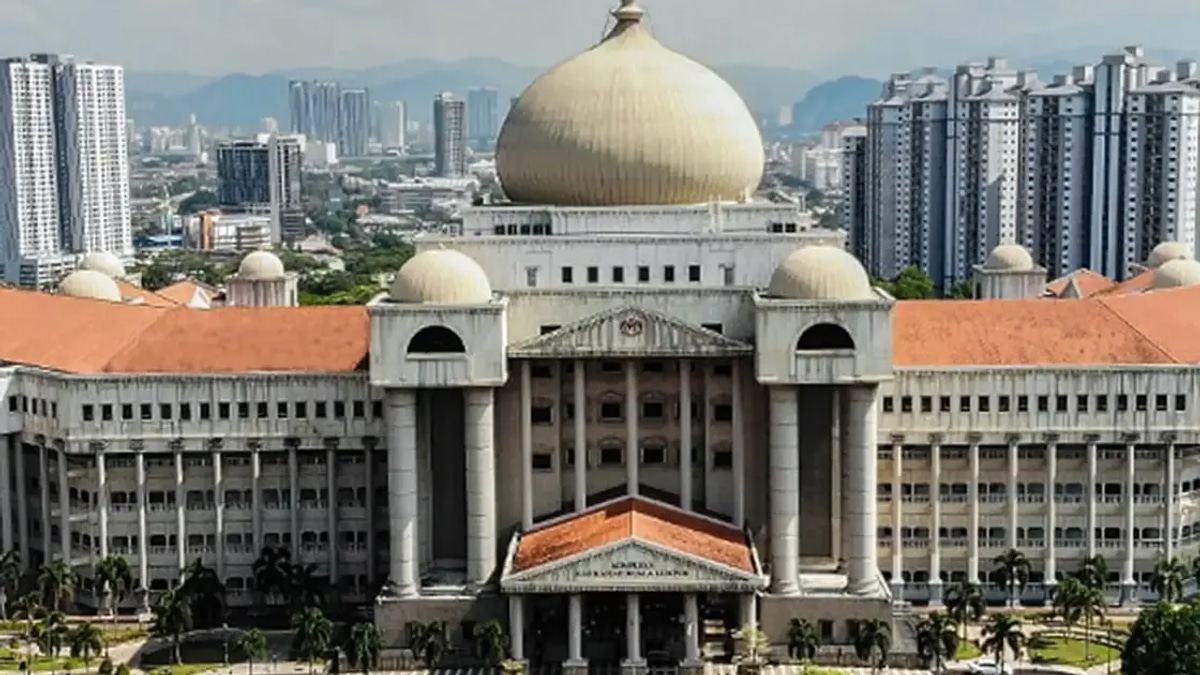
Hannah Yeoh, the Minister in the Prime Minister's Department overseeing Federal Territories, has demanded that Putrajaya maintain uncompromising standards of cleanliness and safety as the planned capital continues to experience rising visitor numbers. Speaking in Kuala Lumpur, Yeoh stressed that maintaining these benchmarks is not optional but fundamental to protecting Putrajaya's reputation and ensuring the wellbeing of the millions who pass through its precincts annually.
Putrajaya, conceived in the 1990s and formally inaugurated as Malaysia's administrative capital in 2001, has evolved beyond its primary function as a government hub. The sprawling federal territory now ranks among the country's premier destinations for both leisure visitors and day-trippers, with its carefully planned infrastructure, architectural landmarks, and recreational spaces drawing consistent crowds. This transformation has fundamentally altered the expectations placed upon the city's public facilities, requiring a corresponding shift in maintenance protocols and resource allocation.
Yeoh's intervention comes at a moment when Malaysian public spaces face heightened scrutiny over cleanliness standards and maintenance consistency. The minister's unequivocal language—rejecting excuses—signals awareness that lapses in upkeep, however minor, can rapidly damage perceptions of governance competence. For Putrajaya specifically, where every lamppost and garden bed becomes part of the symbolic representation of federal administrative capability, such standards carry political weight beyond ordinary municipal concerns.
The federal capital's challenges in maintaining pristine conditions reflect broader infrastructure management issues across Malaysia's metropolitan areas. Putrajaya's extensive green spaces, water features, and architectural attractions require specialised maintenance protocols that differ significantly from routine urban upkeep. The coordination between multiple agencies responsible for different sectors—landscape management, facility operations, safety compliance, and sanitation—adds layers of complexity that demand rigorous oversight and accountability structures.
Visitor numbers to Putrajaya have demonstrated resilience and growth in recent years, despite global travel disruptions. The city attracts families exploring its educational and recreational amenities, tourists photographing its distinctive skyline and gardens, and international delegations visiting government institutions. Each visitor interaction with Putrajaya's public spaces forms an impression of Malaysia's governance standards and administrative efficiency. A poorly maintained toilet, an accumulation of litter, or compromised safety measures can disproportionately damage these perceptions, particularly among international guests forming first impressions of the country.
The minister's statement reflects a recognition that infrastructure maintenance in high-profile public spaces cannot rely solely on reactive responses to complaints. Proactive inspection regimes, preventative maintenance scheduling, and performance metrics tied to measurable outcomes become essential. For Putrajaya, this likely translates into increased frequency of cleaning cycles, enhanced surveillance systems identifying maintenance needs early, and training programmes ensuring staff understand that incremental degradation eventually undermines the entire customer experience.
From a Southeast Asian perspective, Putrajaya's appearance carries significance beyond domestic politics. The city represents Malaysia's aspirations as a developed nation and advanced economy. Regional visitors and investors passing through often form judgments about the country's organisational capacity based partly on the condition of its flagship administrative centre. In an era when city rankings and tourism competitiveness indices carry economic implications, allowing standards to slip poses measurable risks to Malaysia's regional positioning and international attractiveness.
The emphasis on safety standards alongside cleanliness suggests Yeoh is concerned not merely with aesthetics but with concrete security and public health dimensions. Putrajaya's design incorporates numerous water features, elevated structures, and recreational facilities where inadequate maintenance could pose genuine hazards. Poor sanitation in public restrooms and food courts risks public health incidents. Degraded pathways and lighting in parks compromise visitor security, particularly for women and families avoiding Putrajaya after dark due to safety concerns.
Implementing Yeoh's mandate will require clear delegation of responsibilities across relevant agencies managing Putrajaya, from the Federal Territories Ministry to individual facilities operators and contractors. Establishing measurable standards and regular auditing mechanisms ensures accountability rather than relying on aspirational statements. Budget allocations must align with ambitions, as maintenance excellence requires sustained investment rather than periodic splurges before high-profile events.
The minister's intervention also implicitly acknowledges that past maintenance practices may have fallen short of contemporary expectations. Rather than assigning blame, Yeoh appears focused on establishing a baseline of non-negotiable standards moving forward. This approach, while diplomatically softer than public recriminations, nonetheless signals that the Federal Territories Ministry is placing heightened focus on this portfolio and will monitor compliance actively.
For Malaysian residents and businesses in Putrajaya, clearer maintenance standards and more visible upkeep efforts may translate into improved daily living experiences. Enhanced cleanliness in public spaces, more reliable facility operations, and visibly better lighting and security can shift perceptions of the planned capital from an occasionally underwhelming government town to a genuinely appealing urban environment. This psychological dimension matters significantly for attracting and retaining quality residents and business investments.
Moving forward, Yeoh's statement will likely generate increased scrutiny of Putrajaya's condition. Any visible deterioration will be measured against her explicit commitments to uncompromising standards. Success requires sustained effort rather than symbolic gestures, and the minister's willingness to revisit maintenance standards suggests awareness that competitive cities worldwide are continuously raising their own benchmarks. Putrajaya must not merely maintain current conditions but actively improve them to remain competitive within Malaysia and regionally.