%22%2F%3E%3C%2Fpattern%3E%3C%2Fdefs%3E%3Crect%20width%3D%22100%25%22%20height%3D%22100%25%22%20fill%3D%22url(%23ph3g3y5g)%22%2F%3E%3Crect%20width%3D%22100%25%22%20height%3D%22100%25%22%20fill%3D%22url(%23ph3g3y5p)%22%2F%3E%3Ctext%20x%3D%2250%25%22%20y%3D%2250%25%22%20text-anchor%3D%22middle%22%20dominant-baseline%3D%22central%22%20fill%3D%22rgba(255%2C255%2C255%2C0.95)%22%20font-family%3D%22Georgia%2C%20'Times%20New%20Roman'%2C%20serif%22%20font-weight%3D%22700%22%20font-size%3D%22226%22%20letter-spacing%3D%22-0.02em%22%3EHAWANA%3C%2Ftext%3E%3C%2Fsvg%3E)
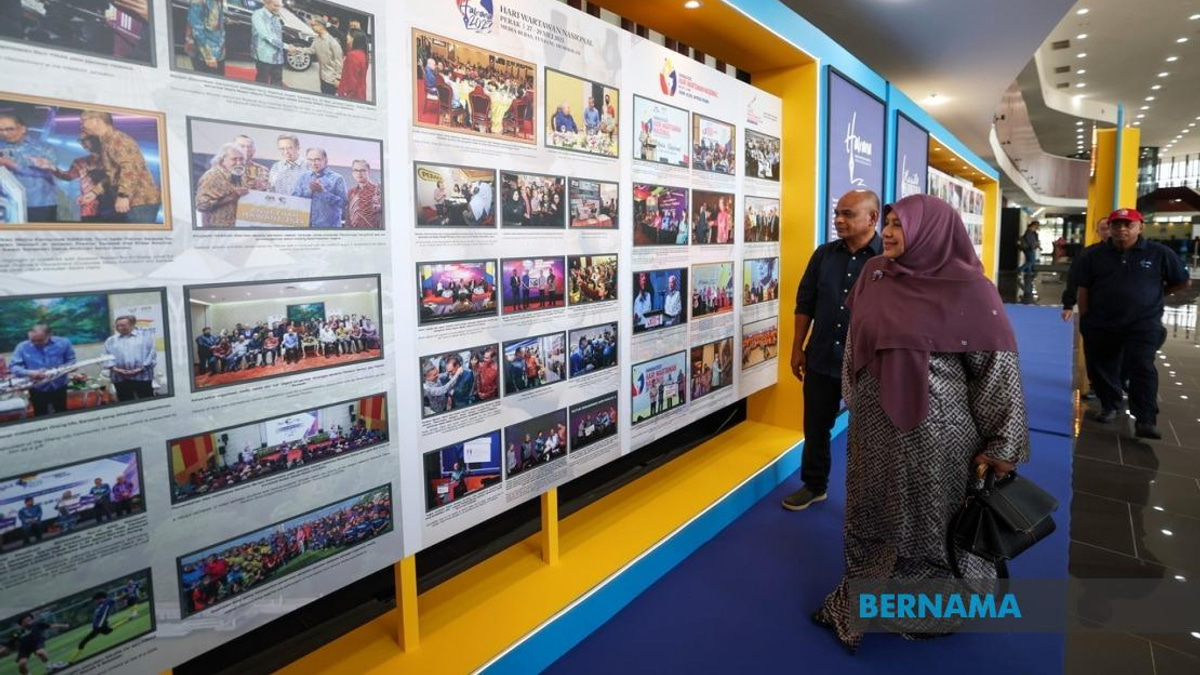
Penang has been selected as the first-time host for the National Journalists' Day celebration, commonly known as HAWANA 2026, marking a significant milestone for the state's tourism and creative economy sectors. State Tourism and Creative Economy Committee chairman Wong Hon Wai highlighted that the three-day event, running from June 19-21, is poised to generate substantial economic momentum and amplify Penang's profile across the region. The main ceremony, to be officiated by Prime Minister Datuk Seri Anwar Ibrahim on June 20 at the PICCA Convention Centre @ Butterworth Arena, will convene approximately 1,000 media practitioners from across Malaysia and neighbouring ASEAN nations.
Wong's remarks underscore how major international gatherings function as catalysts for regional branding. By hosting journalists and media representatives from diverse markets, Penang positions itself as a destination of consequence capable of managing large-scale professional assemblies. This recognition reflects the state's existing infrastructure, hospitality readiness, and reputation as a leading tourism hub within Malaysia. The selection itself validates Penang's capacity to deliver world-class events whilst showcasing its distinctive offerings to an audience whose role involves shaping public perception and media narratives across the region.
The economic multiplier effects of such gatherings extend far beyond the event itself. Wong articulated that the influx of thousands of visitors and media personnel will generate sustained demand across hospitality, food and beverage, transport, retail, and attraction sectors. Tourism operators have already reported robust hotel bookings, with Seberang Perai, designated as the primary venue, possessing sufficient accommodation capacity. This preparedness indicates that Penang's tourism infrastructure has matured to accommodate major events without strain, potentially setting precedent for future international conferences and festivals.
For Malaysia's creative economy, the event carries particular significance. Wong emphasised that media entities function as indispensable partners in marketing destinations and catalysing growth within creative industries. By providing substantive coverage and visibility, journalists help elevate local talent, artistic initiatives, and innovative enterprises onto regional and international platforms. During HAWANA 2026, this symbiotic relationship becomes tangible as media professionals from across ASEAN gain exposure to Penang's creative ecosystem, potentially opening pathways for cross-border collaborations and investments in the sector.
The parallel RIUH Pi HAWANA Carnival operates as a complementary initiative designed to democratise engagement with Penang's creative landscape. Running concurrently at the convention centre, this free-admission carnival anticipates approximately 30,000 visitors over three days. The programming encompasses over 24 local creative brands and 20 food vendors, alongside 16 live stage performances featuring established and emerging Malaysian artistes including Exists, Bunkface, Masdo, Sakura Band, Budak Nakal Hujung Simpang, and Chelsea Ng. This curation strategy ensures that both professional media participants and general audiences experience Penang's cultural vibrancy and entrepreneurial dynamism across creative disciplines.
The thematic anchor for HAWANA 2026, framed as 'Media Integrity Strengthens Credibility,' speaks to contemporary concerns regarding information reliability and journalistic standards. Organised by the Ministry of Communications and executed by Bernama, the national news agency, the event emphasises how professional media practice underpins democratic institutions and public trust. For Malaysia specifically, this theme resonates within ongoing national conversations about combating misinformation, promoting responsible journalism, and maintaining editorial independence amid polarised discourse.
Penang's positioning as host carries subtle regional implications. The state's selection reflects confidence in its governance capacity, infrastructure standards, and ability to curate experiences that appeal to international media audiences. By successfully executing HAWANA 2026, Penang establishes itself as a viable destination for subsequent regional conferences, seminars, and professional gatherings. This elevation of status within Malaysia's event tourism hierarchy could yield long-term benefits as international organisers expand their consideration sets when planning future major conferences across Southeast Asia.
Wong's articulation of media as partners in state development represents a pragmatic acknowledgment of how information flows shape destination perception and investment decisions. Rather than viewing journalists merely as observers or critics, this framing positions media professionals as collaborators in regional development narratives. Across ASEAN, where destination marketing increasingly depends on authentic storytelling and credible reporting, Penang's approach aligns with contemporary best practices in tourism promotion that prioritise genuine experiences over traditional advertising.
The creative economy dimension deserves particular analysis given Malaysia's national emphasis on diversifying beyond traditional manufacturing and services. Penang, with its historical identity as a commercial and cultural crossroads, possesses inherent advantages in fostering creative clusters. Events like HAWANA 2026 that integrate creative showcases alongside professional conferences demonstrate integrated approaches to economic development that treat culture, media, and tourism as interconnected rather than siloed sectors. The carnival's programming reveals deliberate curation designed to represent contemporary Malaysian creative voices across music, visual arts, design, and culinary domains.
The announcement of strong hotel bookings and accommodation readiness suggests that Penang's tourism infrastructure has achieved sufficient maturity to absorb sudden demand spikes without compromising service quality. This operational reliability, often invisible to visitors but critical for event success, reinforces the state's competitive positioning against other Malaysian destinations bidding for international conferences. As Southeast Asia's event tourism landscape intensifies, such execution capabilities distinguish emerging destinations from aspirational ones.
Looking beyond the immediate three-day celebration, HAWANA 2026 represents a strategic inflection point in how Penang markets itself regionally. The concentration of approximately 1,000 media professionals creates amplified storytelling potential, with journalists returning to their respective news organisations and ASEAN markets carrying narratives about Penang's cultural authenticity, creative vitality, and development trajectory. Unlike paid advertising, this earned media carries greater credibility and penetration, potentially influencing travel decisions and investment perceptions across the region for months following the event.
The selection of Penang for this inaugural hosting acknowledges the state's evolution from primarily heritage and tourism focus toward a more diversified economic identity encompassing creative industries, digital innovation, and cultural entrepreneurship. As Malaysia positions itself within the global creative economy, Penang's role as a hub supporting artists, designers, musicians, and cultural enterprises becomes increasingly central to national narratives about economic transformation and cultural soft power. HAWANA 2026 crystallises this positioning, marrying journalistic professionalism with creative industry visibility in a way that benefits both sectors whilst elevating Penang's regional profile.