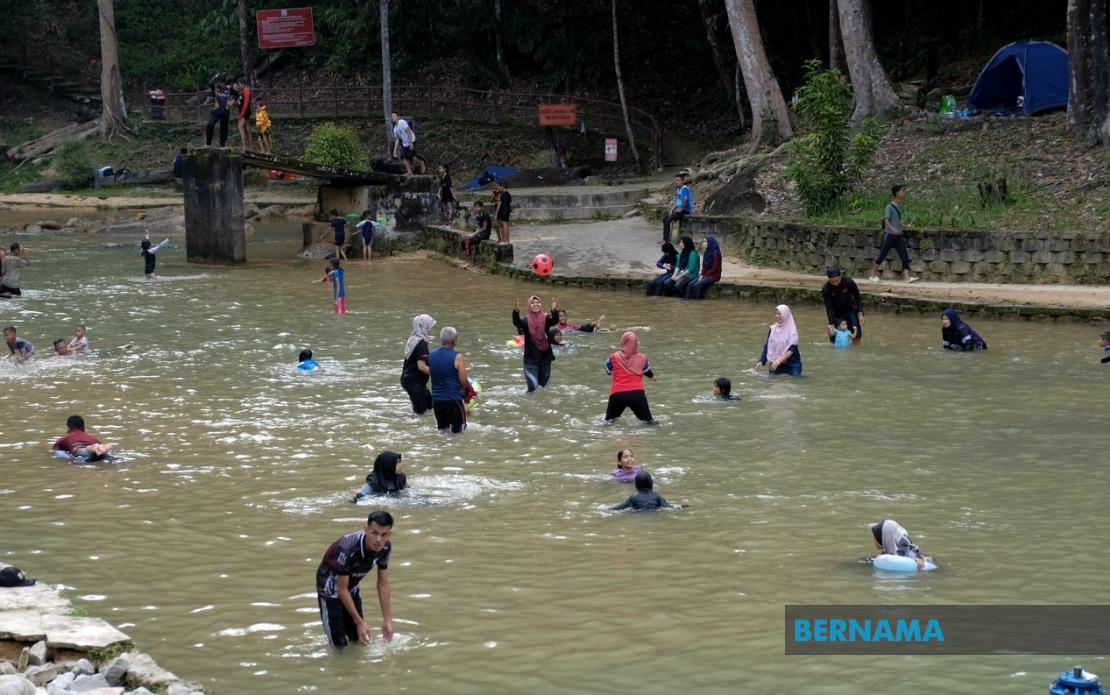
The Pahang State Health Department has launched a formal investigation into allegations that recreational visitors to an area near Bentong contracted acute gastroenteritis following exposure to river water. Several people reported experiencing gastrointestinal symptoms including diarrhoea, vomiting and fever, prompting health authorities to mobilise resources and conduct a systematic assessment of the potential public health threat.
In an official statement, the health department acknowledged the public concern but stressed that preliminary findings have not revealed any alarming patterns. The department indicated that its existing disease surveillance systems, which operate across government and private health facilities throughout the state, have not detected either confirmed cases directly linked to the incident or any unusual surge in acute gastroenteritis presentations that would suggest a broader outbreak. This cautious messaging reflects standard public health protocol when investigating such claims, balancing transparency with the need to avoid premature conclusions before evidence is complete.
A critical component of the investigation involves water quality assessment. Environmental health teams collected raw water samples from multiple points along Sungai Benus in Janda Baik on June 14, with specimens submitted for comprehensive microbiological analysis. These laboratory results remain pending, and their findings will be determinative in establishing whether contamination exists and what pathogens may be responsible. The delay in results is typical for thorough water microbiology testing, which can require several days to culture and identify bacterial, viral or parasitic agents that might cause gastroenteritis.
The epidemiological dimension of the investigation extends beyond simple cause-and-effect analysis. Health officials are actively seeking out individuals who may have experienced symptoms following river activities, attempting to establish temporal and exposure relationships. Simultaneously, investigators are examining potential contamination sources, including sewage discharge points, agricultural runoff, animal waste, or industrial effluent that might affect Sungai Benus. This multi-pronged approach recognises that waterborne gastroenteritis outbreaks often involve complex environmental and behavioural factors rather than single identifiable sources.
Coordination between the health department and allied agencies underscores the systemic nature of water quality management. By engaging relevant organisations in assessment and remediation efforts, authorities can implement control measures that address pollution sources comprehensively. For visitors and residents in surrounding areas, the health department has enhanced surveillance at local health facilities to identify clusters or linked cases. This proactive monitoring strategy increases the likelihood of detecting a genuine outbreak pattern should one emerge from incomplete reporting or delayed symptom onset.
The investigation also highlights the regulatory responsibilities incumbent upon facility operators. Recreational venues and accommodation providers must maintain rigorous standards for sanitation infrastructure, potable water provision and sewage treatment. These aren't merely technical compliance matters; they represent fundamental public health safeguards. Facilities that fail to meet standards create environments where waterborne pathogens proliferate, particularly in recreational settings where bathers may inadvertently ingest contaminated water or suffer skin infections from pathogenic exposure.
For Malaysian travellers and families considering visits to recreational areas during the dry season when such sites are popular, the incident serves as a reminder that water safety requires vigilance. While most river-based recreational facilities operate without incident, certain conditions—particularly in areas with inadequate sanitation infrastructure or upstream pollution—can harbour pathogens causing acute gastroenteritis. Symptoms typically appear within hours to days of exposure, making it important for people to associate illness timing with recent water contact and seek medical evaluation promptly.
The Ministry of Health's advisory to the public carries an implicit acknowledgment of the anxiety that such incidents generate. By requesting that citizens rely on official channels rather than speculation, authorities aim to prevent rumour-fuelled panic that could disproportionately damage the tourism and recreational sectors. Bentong and the Janda Baik area are popular destinations for visitors from the Klang Valley and Singapore, and unverified claims of waterborne illness can significantly impact local businesses. However, transparent communication about ongoing investigations ultimately serves public confidence better than silence.
Southeast Asian nations including Malaysia have experienced periodic waterborne disease outbreaks in recreational settings, particularly where rapid tourism development has outpaced sanitation infrastructure investment. The Bentong situation reflects broader regional challenges in maintaining water quality standards amid competing demands for resource allocation. Climate factors such as seasonal rainfall patterns and flooding can temporarily overwhelm treatment systems or introduce contamination during peak visitor periods.
The investigation's outcome will likely inform updated guidelines for recreational facility operators in Pahang and potentially across Malaysia. Should testing confirm pathogenic contamination, authorities may implement temporary closures or usage restrictions pending remediation. Positive findings might also trigger broader water quality audits of similar facilities in the region, reflecting the precautionary principle that guides public health responses. Conversely, if laboratory results show no significant contamination, the investigation will focus on other potential exposure sources such as food consumption at the site or pre-existing infections among visitors.
For residents of Bentong and surrounding communities, the transparent investigation process provides assurance that potential health risks are being taken seriously. The enhanced surveillance at local health facilities offers early warning capability should cases begin appearing in greater numbers. As authorities continue monitoring laboratory results and epidemiological findings, maintaining public trust through regular updates becomes increasingly important for compliance with any recommended precautions or treatments.