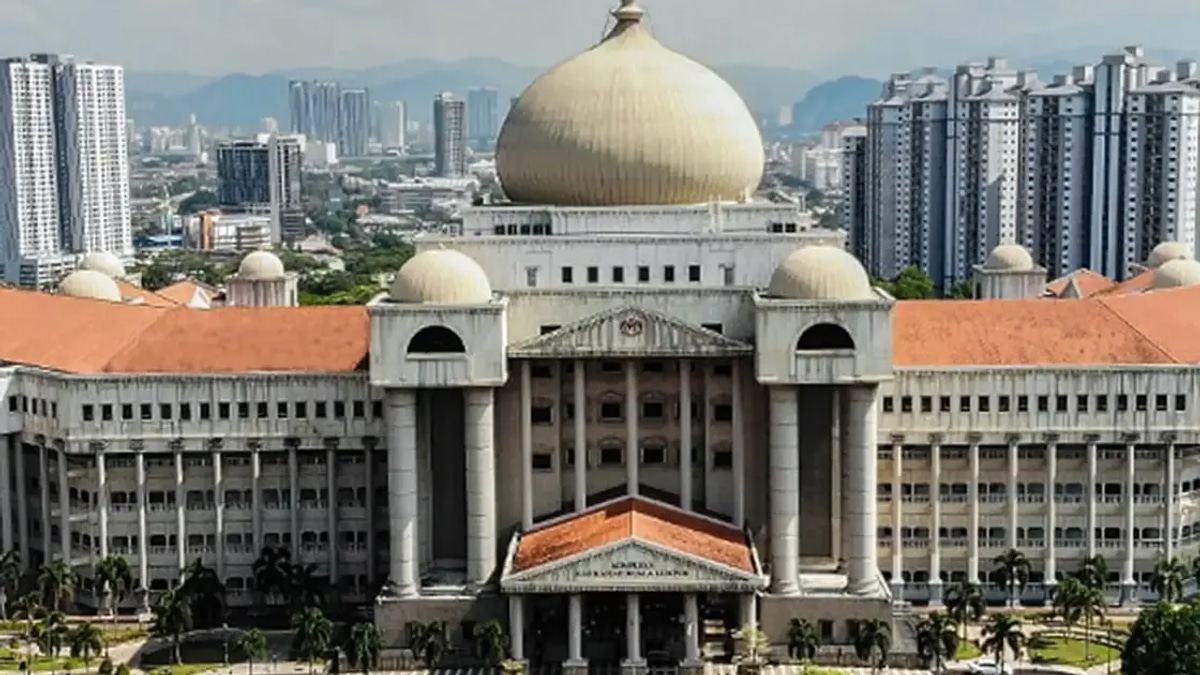
A Malaysian High Court has delivered a stinging assessment of the 1Malaysia Development Berhad scandal, classifying it among the most egregious episodes of state-sponsored financial theft globally. In judicial pronouncements that underscore the gravity of misappropriated funds, the court deployed historical comparison to convey the unprecedented nature of the plunder, suggesting that even the destructive campaigns of Attila the Hun—a figure synonymous with barbaric conquest and pillage—would appear insignificant alongside 1MDB's losses.
The 1MDB affair represents a watershed moment in Malaysia's corporate governance and anti-corruption frameworks. Established in 2009 as a state investment vehicle intended to drive economic development and sovereign wealth creation, the fund became instead a vehicle for systematic embezzlement. Over roughly a decade, billions of ringgit were siphoned from the institution through intricate networks of shell companies, international transfers, and fraudulent transactions. The ensuing international investigation, spanning multiple jurisdictions and involving cooperation from American, Swiss, and other foreign authorities, exposed the depth of coordination required to execute theft on such a scale.
The court's comparison carries symbolic weight beyond mere rhetorical flourish. Attila's fifth-century campaigns across Europe and Asia Minor, while devastating in their destruction and conquest, operated within the constraints of ancient military logistics and territorial acquisition. By contrast, 1MDB's architects exploited modern banking systems, digital networks, and the opacity of international financial architecture to move stolen assets across borders with relative ease. The judiciary's framing suggests that contemporary financial crime, when coupled with state resources and institutional betrayal, can inflict economic damage rivalling or exceeding historical devastation.
The financial toll of 1MDB extends far beyond mere accounting entries. Malaysian taxpayers bore the burden of guarantees and loans that financed the fund's operations, effectively underwriting the theft of their own resources. The scandal simultaneously damaged Malaysia's international reputation, complicating trade negotiations, foreign investment decisions, and diplomatic relations. Regional perception of Malaysian governance institutions suffered measurably, with concerns about transparency and accountability affecting confidence in local markets. For Southeast Asian nations, the episode served as a cautionary narrative about the vulnerabilities of emerging market financial systems.
The investigation and prosecution of 1MDB-related crimes have involved multiple former government officials and their associates. Key figures have faced charges encompassing money laundering, abuse of power, and criminal breach of trust. The trials have stretched across years, reflecting both the complexity of unravelling interconnected transactions and the procedural demands of criminal justice systems. Some defendants have been convicted and sentenced; others remain before the courts or have fled jurisdiction, illustrating the challenges of pursuing financial crime perpetrators in an era of global mobility.
International dimensions have complicated Malaysia's response to the scandal. Assets recovered through foreign jurisdictions have required lengthy legal processes and diplomatic negotiations. The United States Department of Justice has pursued civil forfeiture actions against specific individuals and entities connected to 1MDB, recovering substantial sums that have been partially returned to Malaysian authorities. Switzerland, Singapore, and the United Arab Emirates have all conducted investigations into money flows through their financial systems. This multinational enforcement response underscores that modern kleptocracy, by definition, transcends national boundaries and demands coordinated international action.
The court's pronouncement arrives amid broader regional and global attention to state-level corruption and financial crime. The World Bank, International Monetary Fund, and transparency organisations have scrutinised 1MDB as emblematic of governance failures that undermine development outcomes. For Malaysia specifically, the scandal prompted legislative and institutional reforms aimed at strengthening the Central Bank's oversight capabilities, enhancing corporate transparency requirements, and fortifying whistleblower protections. Nevertheless, implementation and effectiveness of these safeguards remain subjects of ongoing evaluation.
The 1MDB episode has influenced how Southeast Asian nations approach sovereign wealth fund governance. Regional governments have examined their own investment vehicles, audit mechanisms, and oversight structures to identify vulnerabilities mirroring those exploited in Malaysia's case. International financial regulators have tightened due diligence requirements for transactions originating from or destined for state-controlled entities in emerging markets. The scandal has thus catalysed systemic adjustments extending across the region's financial architecture.
Court characterisations such as this one serve purposes beyond juridical assessment. Judicial language framing crimes in terms of their historical or comparative magnitude contributes to public understanding of wrongdoing's severity. The High Court's evocation of Attila communicates that Malaysian jurists recognise the unprecedented scope of 1MDB's theft and remain committed to accountability mechanisms. For citizens in Malaysia and neighbouring nations, such statements reinforce that institutional responses, however belated, acknowledge the profound breach of public trust.
Moving forward, 1MDB remains significant not merely as a historical episode but as an ongoing legal and institutional reference point. Remaining trials continue; asset recovery efforts persist; and investigative journalists maintain scrutiny of loosely connected schemes and beneficiaries. The scandal's ripples continue affecting policy conversations regarding financial regulation, government transparency, and the protection of public resources from predatory officials. Regional observers will likely cite 1MDB for years when assessing governance vulnerabilities and institutional capacity across Southeast Asia.