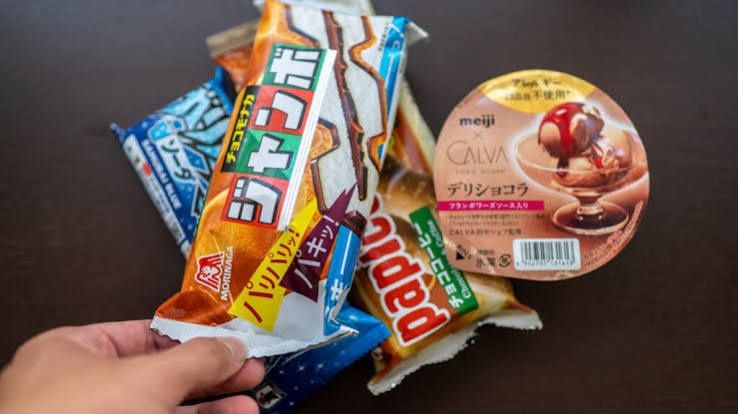
Japan's competition authorities have launched a formal investigation into what appears to be widespread price-fixing among the country's leading ice cream producers, conducting simultaneous raids on six major manufacturers this week as summer demand for frozen treats reaches its annual peak. The Japan Fair Trade Commission carried out unannounced inspections at the headquarters of Meiji Co., Morinaga Milk Industry Co., Lotte Co., Ezaki Glico Co., Morinaga & Co., and Akagi Nyugyo Co., targeting evidence that executives at these firms had engaged in sustained coordination to elevate consumer prices.
According to sources briefed on the investigation, company officials are believed to have maintained ongoing contact through emails and face-to-face meetings spanning several years, during which they allegedly agreed on both the timing and magnitude of retail price increases. This pattern of coordination represents a textbook violation of antitrust laws in Japan, suggesting a deliberate effort to eliminate price competition in a significant consumer market. The regulators have obtained enough preliminary evidence to justify the raids, indicating that the JFTC possesses documentary or witness testimony supporting the collusion allegations.
The timing of this investigation carries particular significance for Japanese consumers and Southeast Asian observers monitoring regional competition practices. Ice cream represents a substantial consumer category in Japan, with market conditions having shifted dramatically in recent years. The fiscal year ending in March witnessed record ice cream sales exceeding 660 billion yen, a milestone achieved during Japan's hottest summer since temperature records began in 1989. Such exceptional demand typically creates justification for price increases, but the JFTC's investigation suggests that manufacturers may have exploited high consumer demand and inflationary conditions as cover for coordinated pricing rather than responding to genuine market forces.
Public records show that since approximately 2022, these six companies have implemented retail price increases occurring at remarkably similar intervals—essentially synchronized timing that would be highly improbable under genuine independent decision-making by competing firms. Japanese media investigations have documented that these price hikes have recurred annually, with companies raising prices at nearly identical moments, a pattern that authorities view as compelling circumstantial evidence of underlying coordination. Such regularity in pricing decisions across competing firms deviates sharply from how competitive markets normally function, where companies typically stagger price changes and maintain strategic secrecy about timing to maintain competitive advantage.
The JFTC's investigation extends beyond simply documenting coordinated price increases; authorities are examining whether these companies exploited inflation and supply chain disruptions to implement price increases substantially exceeding the documented increases in raw material costs. This distinction matters considerably because while manufacturers have legitimate reasons to raise prices when ingredient expenses rise, the regulatory scrutiny focuses on whether the price increases disproportionately benefited companies at consumer expense. By comparing documented increases in input costs against actual retail price elevations, investigators can determine whether firms used inflation as convenient political cover for profit-maximizing cartel behavior.
All six companies have issued formal statements acknowledging the JFTC's on-site inspections and pledging cooperation with the investigation. Natsuyo Suzuki of Akagi Nyugyo Co. specifically confirmed the firm's willingness to participate fully in the regulatory process. This cooperative stance, while standard for companies under investigation in Japan's relatively formal regulatory environment, does not preclude the eventual determination of cartel activity. Japanese companies understand that obstruction of JFTC investigations invites severe penalties, making cooperation a practical business decision regardless of culpability regarding the underlying price-fixing allegations.
The potential consequences for the implicated firms could prove substantial. If the JFTC concludes that cartel activity occurred, the regulator possesses authority to demand comprehensive reforms to business practices alongside the imposition of financial penalties. These fines are typically calculated as a percentage of sales in the affected product category during the cartel period, meaning the record-high sales figures of recent years could translate into exceptionally large monetary penalties. Beyond financial consequences, a cartel determination would generate significant reputational damage in Japan's competitive consumer market, potentially prompting retailers and consumers to favor smaller competitors perceived as honest operators.
For regional observers in Southeast Asia, this investigation illustrates how developed-market competition authorities are increasingly aggressive in policing price coordination, particularly when circumstances suggest that companies exploited macroeconomic conditions to mask anticompetitive behavior. Malaysia, Singapore, and other ASEAN nations maintaining their own competition frameworks may view Japan's JFTC investigation as demonstrating best practices in detecting and prosecuting subtle cartel activity. The JFTC's focus on coordinated timing rather than requiring explicit smoking-gun agreements represents sophisticated enforcement that other regional regulators could emulate when investigating suspiciously synchronized pricing across competing firms.
The ice cream sector's significance in Japanese consumer spending and its cultural importance during summer months mean that any cartel determination carries broad implications for public understanding of competition policy. Ice cream prices are visible to ordinary consumers in ways that many other products are not, making this investigation more politically salient than cartel cases involving less conspicuous commodities. Successful prosecution would demonstrate that Japanese authorities protect consumer interests even in relatively modest-value categories, potentially building public support for more robust competition enforcement across the broader economy.
The investigation also arrives amid broader global scrutiny of corporate price-setting during inflationary periods. Policymakers worldwide have questioned whether companies have exploited genuine supply-side inflation to implement profit-margin expansions beyond what cost increases justified. Japan's JFTC investigation suggests that authorities recognize this dynamic and possess investigative tools to distinguish between legitimate cost-responsive pricing and cartel-driven price increases camouflaged by macroeconomic conditions. The results of this inquiry could influence how competition regulators across Asia interpret pricing decisions during periods of elevated inflation.
While the investigation remains in early stages and no formal charges have been filed, the coordinated raids signal that the JFTC views the evidence as sufficiently compelling to justify formal proceedings. The coming months will determine whether Japan's premier competition authority can prove sustained collusion among these major manufacturers, potentially reshaping competitive dynamics in an industry that generates annual revenues in the hundreds of billions of yen. For consumers purchasing ice cream during Japan's sweltering summers, the investigation's outcome carries direct implications for the prices they pay for what many consider a summer necessity.