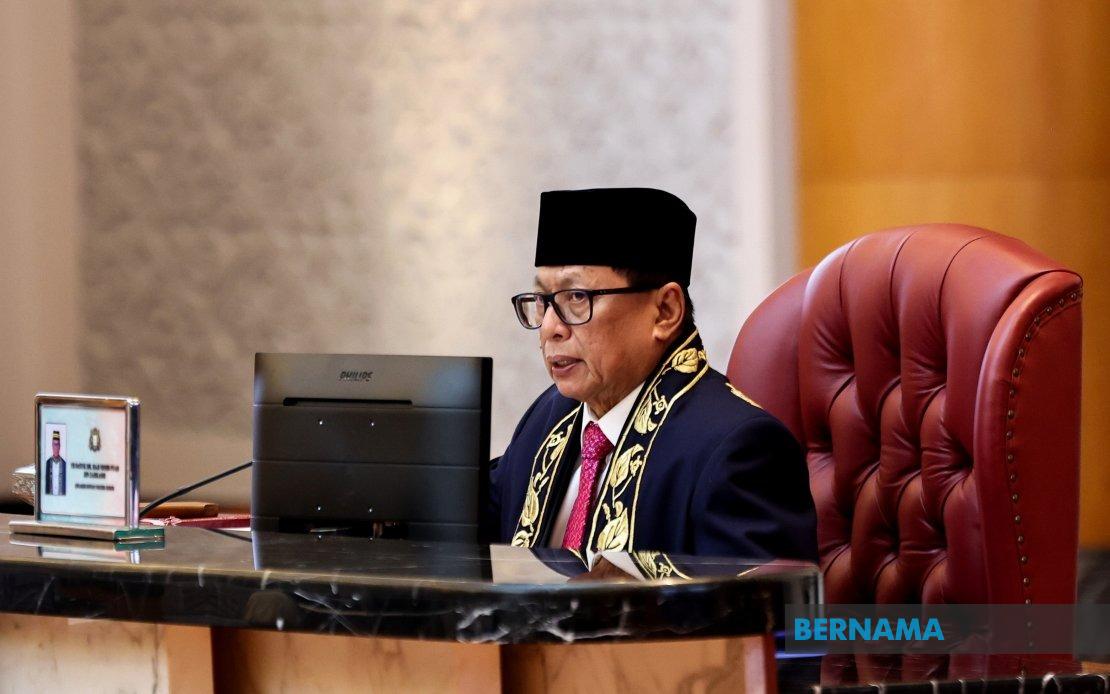
Datuk Dr Mohd Puad Zarkashi, the incumbent Rengit assemblyman and Speaker of the Johor State Legislative Assembly, has formally announced his decision to withdraw from contesting in the upcoming state election on July 11. The long-serving politician confirmed through a Facebook post that he made the deliberate choice to step aside more than a year ago, and communicated this intention to UMNO president Datuk Seri Dr Ahmad Zahid Hamidi and Johor UMNO chairman Datuk Onn Hafiz Ghazi roughly two weeks prior to his public announcement.
At 69 years old, Mohd Puad views his age as a decisive factor in making this exit from electoral politics. His reasoning reflects a pragmatic assessment of generational transitions within the party; he expressed concern that contesting at his age would be inappropriate, particularly given that he projects himself to be 74 years old by the conclusion of the next five-year term. This perspective reveals an implicit acknowledgment that sustained political involvement at an advanced age may hinder the party's ability to present fresh candidates and inject vitality into its campaign efforts across constituencies.
The speaker's withdrawal carries symbolic weight within UMNO's broader succession planning. By stepping aside, Mohd Puad has effectively signaled support for rejuvenating the party's electoral slate with candidates aged 50 and below. This positioning aligns with stated party priorities to identify and empower younger political figures capable of delivering policy outcomes and connecting with an increasingly diverse electorate. His endorsement of this generational shift demonstrates a willingness among senior figures to facilitate the rise of newer leaders rather than entrench themselves in established positions.
Mohd Puad's decision also carries implications for Johor UMNO chairman Onn Hafiz Ghazi's stewardship of the state. By declining to defend his seat, the speaker removes potential questions about leadership continuity and allows Onn Hafiz greater autonomy in assembling a reinvigorated team to contest the election and manage state administration. This approach suggests confidence in Onn Hafiz's capability to navigate the electoral challenge and govern effectively if the coalition wins, unencumbered by concerns about satisfying powerful veteran figures within the party hierarchy.
Beyond personal considerations, Mohd Puad has articulated specific criteria he believes should guide candidate selection going forward. His proposed framework emphasizes educational credentials, demonstrated moral character, commitment to party principles, and a clear grasp of national direction and priorities. These standards represent an attempt to establish benchmarks that extend beyond traditional patronage networks or factional considerations, suggesting an effort to professionalize and standardize the candidate vetting process. The speaker's public articulation of these criteria may also serve as a subtle message to party leadership about maintaining quality thresholds during the selection phase.
Rengit, the constituency Mohd Puad is vacating, represents a safe seat for UMNO. In the 2022 Johor state election, he secured victory with a majority of 1,920 votes, indicating solid grassroots support within the district. This relatively comfortable margin means his successor will inherit a winnable seat, reducing the party's need to deploy its most high-profile figures to defend the constituency. The succession also creates an opportunity for Johor UMNO to cultivate a new political representative with strong local connections and community credibility.
The timing of Mohd Puad's announcement, released roughly two weeks before nomination day on June 27, provides the party sufficient opportunity to identify and prepare a replacement candidate without creating unnecessary disruption to campaign preparations. With polling scheduled for July 11, the window between nomination and voting remains compressed, making advance notice of vacancies and candidate withdrawals operationally important for party machinery coordinating logistics and voter engagement activities across multiple constituencies.
Mohd Puad's tenure as Rengit assemblyman and his subsequent elevation to the speakership position reflect his standing within Johor UMNO circles and his long-term investment in legislative work. His gratitude toward His Majesty Sultan Ibrahim, King of Malaysia, for appointing him speaker underscores the ceremonial and constitutional importance of the role, which carries symbolic significance within the state system. By highlighting this expression of royal approval, Mohd Puad also legitimizes the transition process and positions his departure as a natural progression rather than a departure born from factional conflict or political necessity.
The broader context of this announcement involves ongoing political competition within Malaysia's federal system. Johor, as the second most populous state and historically a stronghold of Barisan Nasional politics, represents strategically critical electoral terrain. UMNO's performance in July's state election will provide early signals about the coalition's ability to mobilize voters and retain power in state governments ahead of potential federal-level electoral contests. Generational transitions within Johor UMNO thus carry implications extending beyond that single state, potentially shaping coalition dynamics and party composition at the national level.
Mohd Puad's decision to complete various administrative matters before nomination day demonstrates professional responsibility toward ongoing legislative obligations. This commitment reflects an understanding that elected representatives maintain duties toward constituents even during transition periods between electoral cycles. His willingness to manage unfinished business before formally stepping away from electoral politics suggests a mindset that prioritizes institutional continuity and constituent service over personal political advancement.
Looking ahead, the Rengit selection process will test Johor UMNO's ability to identify a candidate who can maintain the seat's electoral stability while embodying the qualities Mohd Puad has outlined. The successful recruitment of younger, educated candidates with demonstrated community commitment will be essential for the coalition's campaign narrative and long-term competitiveness. This election therefore represents both a succession moment for individual constituencies like Rengit and a broader generational inflection point for Johor state politics.


