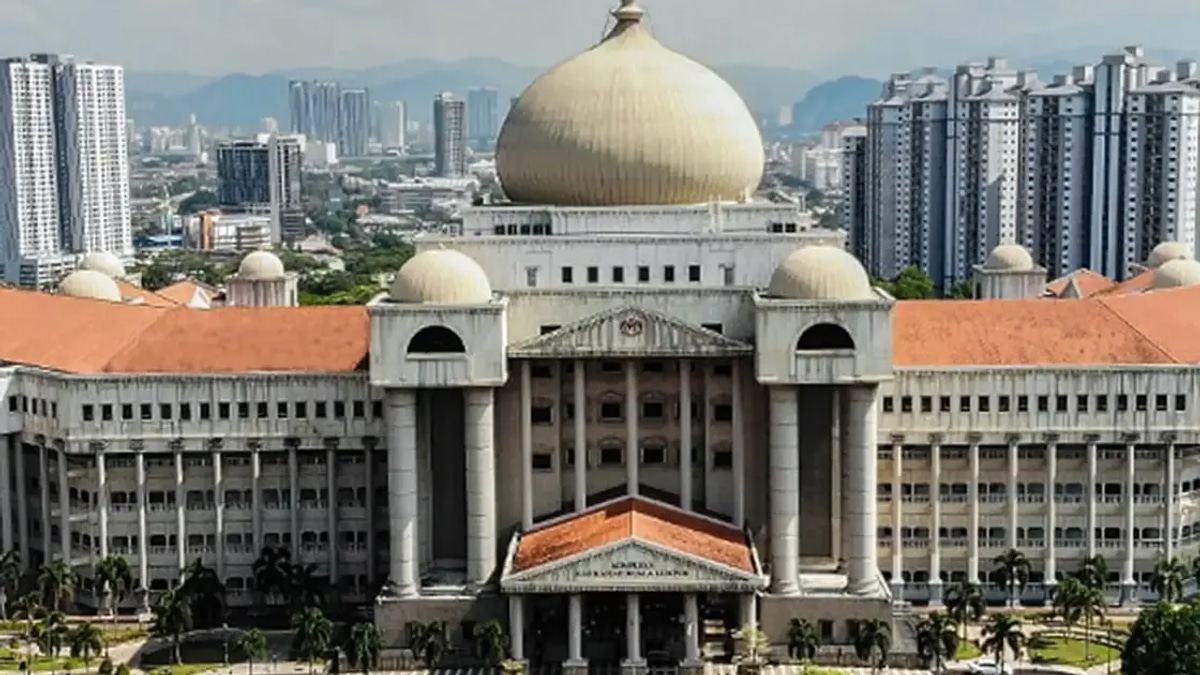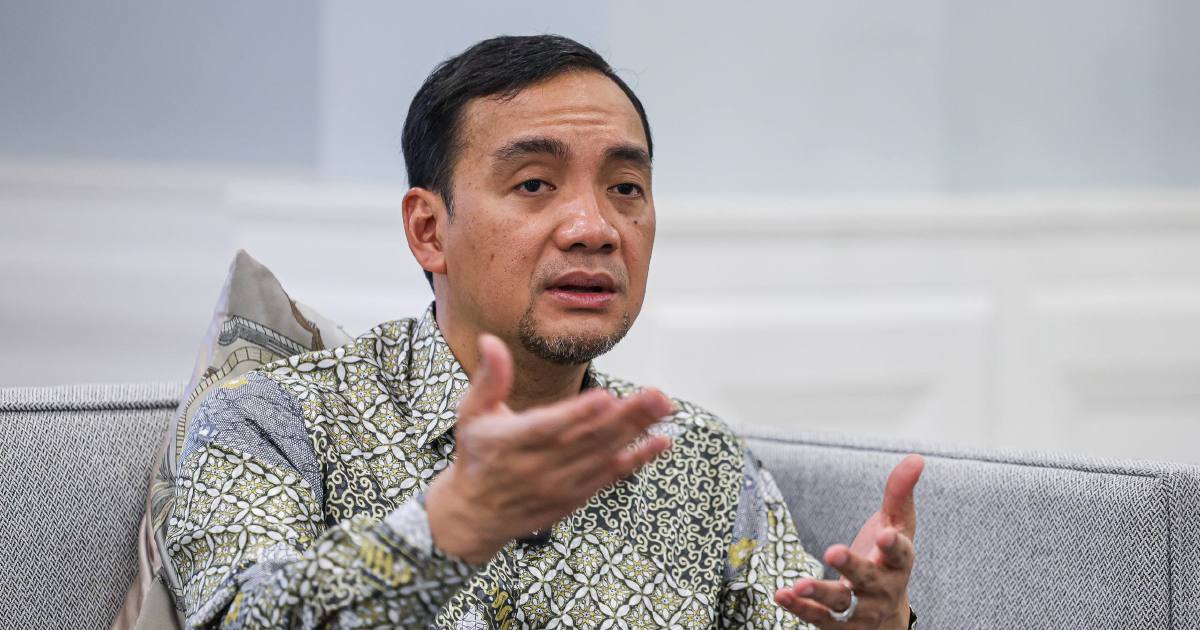
The Johor palace has stepped into the fray ahead of the state election, with both Sultan Ibrahim, the King of Malaysia, and Tunku Mahkota Ismail, the Regent of Johor, expressing serious reservations about the tone of the campaign. Johor Barisan Nasional chairman Datuk Onn Hafiz Ghazi relayed these concerns on behalf of the royal household, drawing attention to the need for greater restraint among political contestants vying for the electorate's attention and support.
The intervention carries particular weight given the constitutional role of the Johor monarchy in the state's governance and public life. When the palace signals disapproval of campaign behaviour, it reflects a genuine apprehension about the deterioration of political discourse at the grassroots level. The emphasis on civility suggests that officials at the highest level believe the election has the potential to become divisive if left unchecked by appeals to decorum and respect for political opponents.
Johor's royal household has historically wielded considerable influence in shaping the state's political culture, and their public statement this week appears designed to reset expectations for how candidates and party loyalists should conduct themselves in the coming weeks. The call for restraint targets not only direct personal assaults but also the broader pattern of uncivil behaviour that has become increasingly commonplace in contemporary Malaysian electoral contests, from inflammatory social media posts to adversarial public statements.
For the Barisan Nasional, which holds significant political sway in Johor and has traditionally enjoyed palace support, the message from Onn Hafiz carries strategic implications. The directive to avoid personal attacks may be intended to protect BN candidates from reputational damage while simultaneously constraining opposition parties that might otherwise gain traction through aggressive campaigning. However, it also signals that the palace views the current trajectory of campaign rhetoric with genuine alarm, suggesting that even ruling coalition figures have crossed lines deemed unacceptable by royal standards.
The timing of this intervention reflects broader concerns across Malaysia's political ecosystem about the quality of electoral competition. As digital platforms have democratized political communication, the ability of established institutions—including the monarchy—to shape the tone of public discourse has diminished. Palace appeals for civility can be understood as an effort to reassert traditional authority in maintaining social harmony and political decency during what are typically fractious periods.
For opposition parties in Johor, the palace statement presents a mixed message. While a direct rebuke to personal attacks might seem to advantage those perceived as victims of BN's political machinery, the overall framing positions the monarchy as above partisan concerns, enforcing standards that apply equally to all competitors. This neutrality, however, must navigate the reality that perceptions of royal favouritism toward the ruling coalition remain prevalent among segments of Malaysian society, particularly in opposition strongholds.
The emphasis on civility also speaks to deeper anxieties within Malaysia's political establishment about social cohesion. Electoral campaigns have a documented capacity to activate communal divisions and amplify grievances along ethnic and religious lines—concerns that resonate particularly in a state as ethnically and religiously diverse as Johor. By publicly calling for restraint, the palace appears to be preemptively trying to contain the potential for such divisive dynamics to escalate during the campaign.
Onn Hafiz's role as the messenger in this instance is itself noteworthy. As Johor BN chairman, his position bridges the gap between palace expectations and party machinery, making him the appropriate figure to communicate royal concerns to the broader political arena. His willingness to publicly relay these warnings suggests awareness that the party's own members and supporters have engaged in or may be tempted toward the kind of behaviour the palace is now discouraging.
The palace intervention also provides a useful reminder that Malaysia's constitutional monarchy retains meaningful capacity to influence political behaviour through non-coercive means. While the sovereign cannot directly regulate election campaigns, the cultural authority to speak about standards of conduct remains substantial, particularly in states like Johor where palace-society ties run deep and historically carry significant weight in shaping political norms.
Looking forward, the effectiveness of this appeal will depend largely on whether major political actors—particularly BN and opposition parties—genuinely incorporate the palace's guidance into their campaign strategies. Should the campaign subsequently descend into the kind of personal attacks and uncivil behaviour the palace has cautioned against, it would represent a notable diminishment of royal influence over political conduct. Conversely, if the statement prompts visible restraint, it could demonstrate that institutional appeals for civility retain potency in an increasingly fractious political environment.