The Malaysian Artistes' Association (Karyawan) is preparing to escalate concerns from Malaysia's music community directly to the nation's highest office. Following a Music Practitioners Convention scheduled for Sunday, June 21, the organisation will compile and submit a formal memorandum to the Prime Minister that aims to chart a new direction for the country's creative music sector. The initiative reflects growing frustration within the industry over structural problems that have accumulated over decades, with association leadership signalling that substantive policy intervention is now necessary.
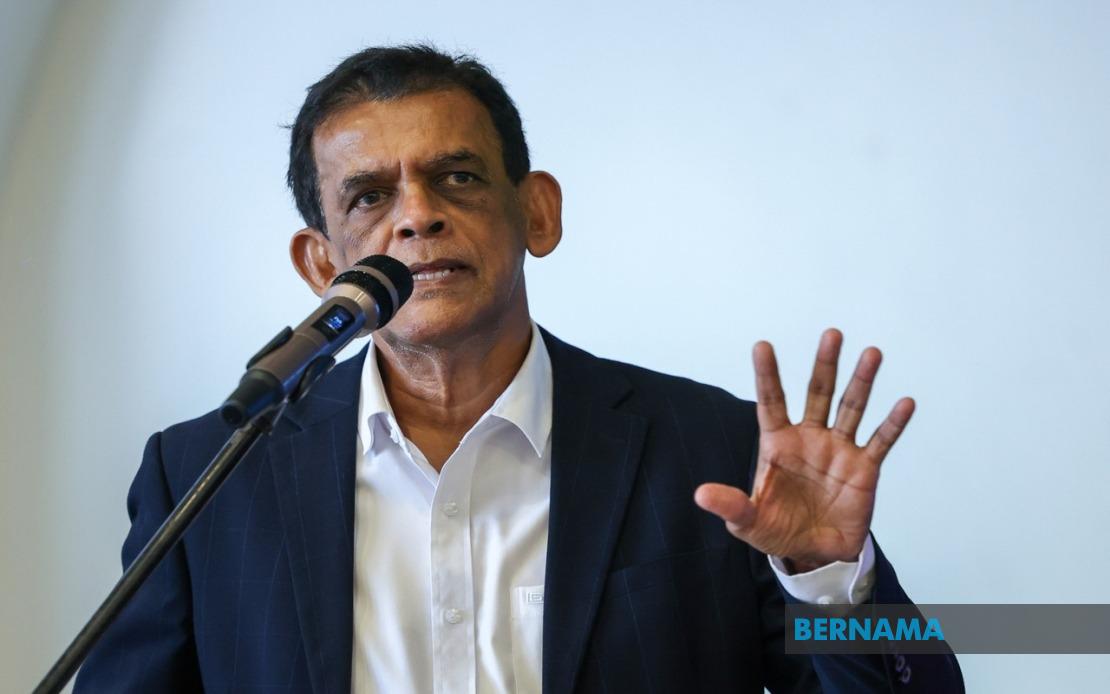
Karyawan president Datuk Freddie Fernandez outlined the scope of the proposed memorandum at a press conference, indicating it will address multiple interconnected challenges facing music professionals in Malaysia. The convention itself expects to draw participation from more than 200 artistes and music industry practitioners who will contribute to the deliberation process. By convening stakeholders at Saloma Restaurant in Kuala Lumpur, Karyawan is creating space for broad-based discussion before formalising its recommendations. Fernandez stressed that the memorandum will emerge within approximately one week following the convention, allowing time to synthesise the various perspectives and craft coherent policy proposals.
At the heart of industry concerns lies the persistent royalty payment disparity that has plagued Malaysia's music ecosystem for two decades. Fernandez cited troubling financial data to illustrate the problem: between 2002 and 2017, record companies collected approximately RM700 million in total revenues, yet only RM20 million was distributed to artistes' bodies. This stark imbalance—whereby less than three percent of collected revenue reaches creative performers—underscores a systemic failure in how Malaysia's music commerce functions. The disparity has left countless musicians financially vulnerable despite contributing their intellectual property and creative labour to recordings that generate substantial industry income. Addressing this inequity has become non-negotiable for Karyawan, which views it as a fundamental justice issue affecting the livelihoods of music practitioners across all genres and career stages.
Beyond royalties, the memorandum will tackle the emerging challenge posed by artificial intelligence in music creation and reproduction. Fernandez emphasised that AI usage requires thorough, deliberate discussion to establish comprehensive guidelines that protect the interests of music practitioners whilst permitting technological advancement. This represents a critical juncture for Malaysia's music industry, as AI tools capable of generating, mimicking, and distributing music without artist consent or compensation are proliferating globally. Without proactive regulation and ethical frameworks, Malaysian musicians risk having their work synthesised, modified, and monetised by systems beyond their control. The convention will explore how to balance innovation against the rights and economic security of human creators.
Career development and education pathways constitute another pillar of Karyawan's reform agenda. Fernandez stressed that the music industry must establish clearer information channels, tangible opportunities, and structured career pathways enabling young talent to develop sustainable professional lives in the field. Currently, aspiring musicians often lack transparent guidance on how to navigate the industry, build audiences, secure income, and transition from amateur to professional status. By institutionalising better education and mentorship structures, Malaysia could cultivate a more robust creative ecosystem. This dimension of the reform effort acknowledges that structural problems cannot be solved through artists working harder alone; the industry itself must be redesigned to nurture talent and provide realistic pathways to success.
Fernandez articulated a broader philosophical concern motivating the convention: after two decades of observation, he has witnessed deteriorating conditions and unhealthy developments within Malaysia's music landscape. Rather than accepting incremental decline, Karyawan is signalling readiness to pursue structural renewal through regulatory and legislative means if necessary. The association indicated openness to recommending new industry laws and regulations, as well as direct government support mechanisms that could strengthen artistes' positions and create sustainable career opportunities. This willingness to consider formal legislation demonstrates how seriously the association views the industry's current trajectory.
The convention programme itself reflects the depth of expertise being mobilised to address these challenges. Scheduled panellists include music activist Joe Lee, composer Dr Moja Salim, and Para Rajagopal, managing director of Live Nation. By combining perspective from activism, composition, and global concert promotion, the convention will examine the music industry from multiple angles. This diversity of expertise should enable more sophisticated analysis than could emerge from any single stakeholder group. The all-day event beginning at 10 am will allow sufficient time for substantive panel discussions and audience engagement rather than superficial overview.
For Malaysian readers, this initiative carries significance beyond the entertainment sector. The music industry represents one of Malaysia's creative economy pillars, with potential to generate employment, cultural influence, and export revenue comparable to film, design, and digital content sectors. Yet the industry cannot fulfil this potential if its foundational economics remain broken and talented musicians cannot sustain themselves through their craft. The Prime Minister's engagement with Karyawan's memorandum will signal whether government intends to actively strengthen creative industries or allow them to stagnate through neglect. Malaysia's position within Southeast Asia's competitive creative economy may depend partly on whether local talent can earn viable livelihoods in music.
The timing of this initiative also reflects growing regional awareness of how AI and digital platforms are reshaping creative industries globally. Southeast Asian music communities are watching how countries address these transformation challenges. Malaysia's response—whether proactive or reactive—will influence regional policy discussions and potentially demonstrate models that other ASEAN nations might emulate or reject. The memorandum to the Prime Minister thus extends beyond domestic concerns to encompass Malaysia's standing as a creative economy within its regional context.