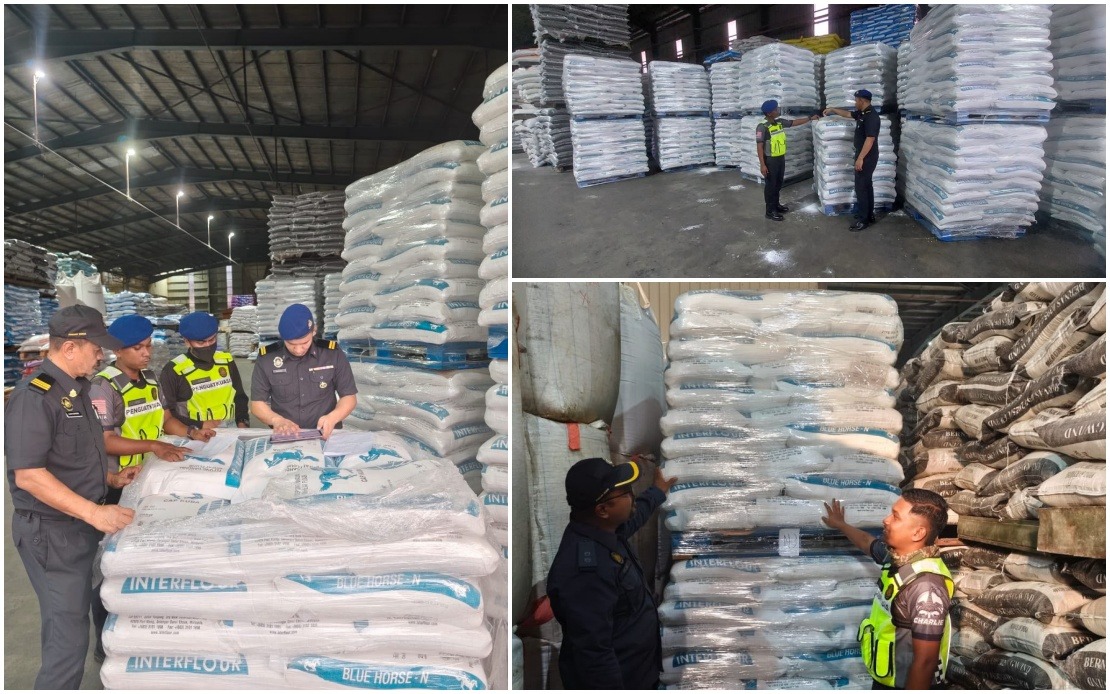
Enforcement officers from the Ministry of Domestic Trade and Cost of Living raided an animal feed processing facility in the Kuala Ketil Industrial Area on June 15, uncovering a significant cache of wheat flour stored without the required authorisation from supply authorities. The operation, conducted by four personnel from the Baling branch at approximately 4.30 pm, resulted in the seizure of 53,325 kilogrammes of flour with an estimated value of RM100,251, marking a substantial breach of Malaysia's commodity storage regulations.
The discovery emerged during a routine inspection that revealed the facility had been utilising wheat flour as a raw material in its animal feed manufacturing operations. However, the factory manager—a 25-year-old Malaysian resident—was unable to produce any valid permit or approval documentation from the Supply Controller authorising the storage of this quantity of flour. This absence of proper licensing forms the crux of the regulatory violation, as flour remains a controlled commodity under Malaysia's supply chain management framework.
Kedah's KPDN director Muhammad Nizam Jamaludin confirmed the enforcement action in an official statement, emphasising that the inspection uncovered clear evidence of non-compliance with existing regulations governing the storage and handling of subsidised commodities. The seizure represents a significant intervention by the ministry in addressing what authorities consider a deliberate circumvention of storage protocols designed to maintain accountability in the supply chain.
The investigation into the incident has been initiated under Section 21 of the Control of Supplies Act 1961, the primary legislation governing the movement and storage of essential goods in Malaysia. This legislative framework empowers authorities to strictly regulate the handling of commodities deemed critical to the nation's food security and economic stability. The application of this statute underscores the severity with which regulatory bodies treat unauthorised storage and potential diversion of controlled materials.
Animal feed manufacturing represents a significant segment of Malaysia's agricultural sector, consuming substantial quantities of grain-based materials and by-products in the production process. The detection of large-scale flour storage at this facility raises questions about the sourcing and tracking of raw materials within the industry. Manufacturers are obligated to source their inputs through authorised channels and maintain transparent documentation of all material receipts and usage patterns.
The issue of subsidy protection remains central to this case. Flour in Malaysia is subject to price controls and subsidisation measures designed to ensure affordability and accessibility for both human consumption and animal feed production. When manufacturers store flour without proper permits, they potentially circumvent monitoring mechanisms that track whether subsidised goods reach their intended beneficiaries or are diverted for alternative uses at inflated prices in informal markets.
For animal feed producers operating in Malaysia's industrial zones, this enforcement action serves as a stark reminder of the compliance obligations accompanying their operational licenses. The Kuala Ketil Industrial Area, situated in the heart of Kedah's manufacturing corridor, hosts numerous food-related enterprises that must navigate complex regulatory requirements. The raid demonstrates that authorities maintain active surveillance over these facilities and are prepared to conduct unannounced inspections to verify adherence to supply control regulations.
The ministry's statement emphasised its commitment to taking firm action against any entity found misusing or unlawfully diverting subsidised commodities. This language indicates a broader crackdown on supply chain irregularities, suggesting that similar enforcement operations may occur across other industrial and agricultural facilities in the region. Businesses that have been operating with informal or expired permits face heightened risk of detection and potential penalties.
For Malaysian readers concerned with food security and commodity pricing, this case highlights the complexity of maintaining effective controls over essential materials. The ability of enforcement agencies to detect and intercept large quantities of controlled goods demonstrates the ministry's operational capacity, though it also raises questions about how such substantial quantities could accumulate without triggering earlier regulatory attention. The seized flour's value of RM100,251 represents a meaningful economic loss that will be reallocated through proper channels as the investigation proceeds.
The involvement of a single factory manager in what appears to be a significant storage operation suggests either individual initiative or a coordinated approach within the facility's operations. The investigation will likely explore whether other employees possessed knowledge of the storage arrangements and whether the flour was intended for legitimate manufacturing purposes or speculative storage awaiting favourable market conditions for sale.
Animal feed manufacturers throughout the region should recognise that sourcing and storage practices face increasingly rigorous scrutiny from Malaysian authorities. Companies operating across Malaysia and neighbouring Southeast Asian countries with similar supply control mechanisms must ensure their procurement documentation, storage permits, and inventory records align with official requirements. The risk of operational disruption through enforcement action represents a genuine compliance cost that must be factored into business planning.
As the investigation develops under the Control of Supplies Act, outcomes may include significant penalties for the facility and its operators, potential criminal charges depending on evidence of intentional non-compliance, and possible suspension or revocation of operating licenses. The case underscores broader themes of regulatory enforcement in Malaysia's food production sector and the government's determination to maintain transparent, accountable supply chains for essential commodities.
This enforcement action will likely prompt comprehensive compliance reviews across animal feed manufacturing facilities in Kedah and neighbouring states. Trade associations representing the sector may issue guidance to members regarding proper procedures for obtaining storage permits and maintaining supply chain documentation. The incident exemplifies how regulatory vigilance, combined with surprise inspections, remains central to Malaysia's approach to controlling the distribution of subsidised and essential goods.