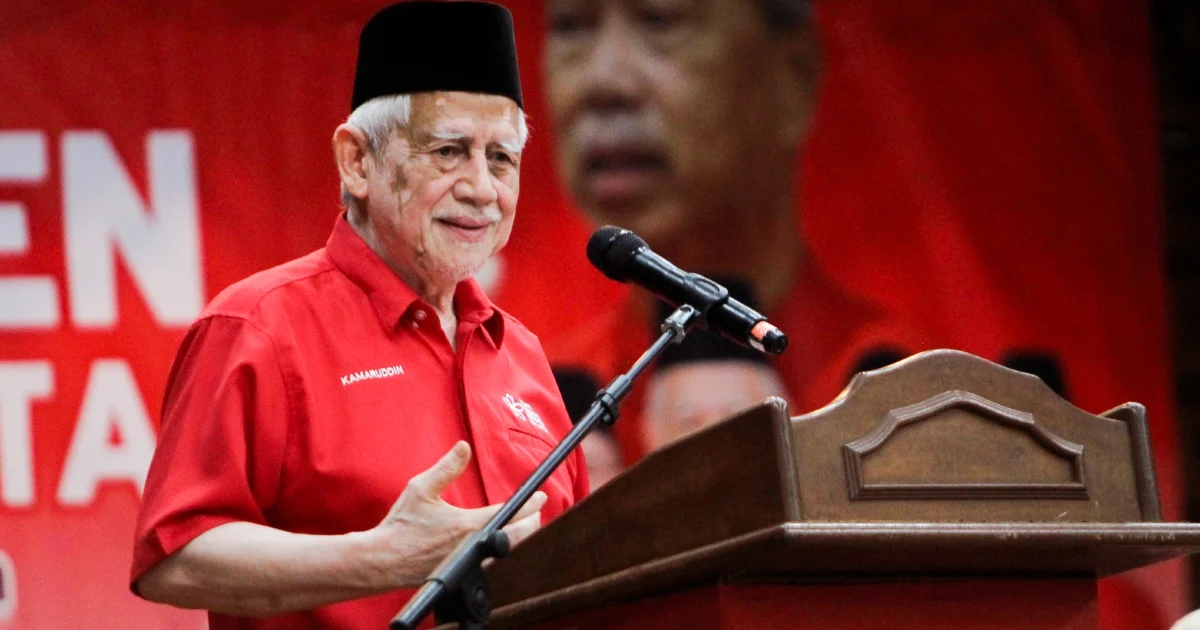
Perikatan Nasional moved to overhaul its leadership structure by removing two prominent figures from its ranks, a decision that appears to have been anticipated by the Bersatu faction in Kelantan. The coalition announced the departure of Datuk Seri Mohamed Azmin Ali and Datuk Dr Mohd Radzi Md Jidin from its leadership line-up during proceedings in Kota Baru, signalling a significant realignment within the political alliance that has shaped Malaysian politics over recent years.
The Kelantan Bersatu leadership has demonstrated composure in the face of this organisational restructuring, suggesting the development was not entirely unexpected. This measured response hints at internal political coordination or at minimum, preparation for such scenarios within the state-level party structures. Rather than displaying shock or dismay, the Kelantan contingent appears to have already factored this possibility into their strategic calculations.
The removal of Azmin Ali and Radzi represents a notable shift in Perikatan Nasional's internal power dynamics. Both figures had held positions of influence within the coalition, making their simultaneous exclusion a consequential move. The timing and manner of their removal suggests deliberate restructuring rather than reactive management, indicating sustained tensions or strategic disagreements within the alliance that have finally reached a resolution point.
Azmin Ali's political trajectory has long been marked by significant pivots and repositioning. His journey through various political formations and leadership arrangements has made him a figure whose political fortunes remain subject to rapid change. The current development represents another chapter in his often turbulent political narrative, though the precise motivations behind his removal from the PN leadership line-up remain rooted in coalition-level deliberations.
Similarly, Radzi's departure from the leadership structure marks another transition in the coalition's organisational hierarchy. His background and previous roles within governmental and party structures have positioned him as a notable presence, making his exclusion from the leadership line-up a matter of material consequence for those tracking Perikatan Nasional's direction and composition.
The broader context of this decision reflects ongoing tensions within multi-party coalitions that have characterised Malaysian politics since 2020. Perikatan Nasional itself emerged from political realignments and has continued to experience internal adjustments as member parties and factions negotiate their respective positions and influence. The removal of senior figures often signals either ideological disputes, power struggles between competing blocs, or attempts to refresh the coalition's public image and electoral appeal.
For Kelantan specifically, the response from the Bersatu component underscores how state-level party structures operate with some autonomy from national-level developments. While remaining aligned with the broader coalition, Kelantan Bersatu's apparent sangfroid suggests the state machinery has established sufficient operational independence or has made tactical assessments that shield it from immediate disruption by leadership changes at the national level.
The lack of visible consternation from Kelantan Bersatu may also reflect confidence in the coalition's stability despite these changes. Alternatively, it could indicate that internal consultations preceded the announcement, allowing stakeholders sufficient warning to adjust their positions accordingly. Such coordination at state and national levels is not uncommon in Malaysian politics, where significant decisions often involve preliminary discussions among key actors before public announcement.
This episode illustrates the fluid nature of Malaysian coalition politics, where leadership compositions remain subject to revision as parties recalibrate their strategies and relationships. The stability of electoral alliances often depends less on personnel loyalty than on shared interests and mutual electoral benefit. The departure of Azmin and Radzi, while notable, appears unlikely to destabilise Perikatan Nasional fundamentally if the coalition maintains operational coherence and electoral viability.
For observers of Malaysian politics, the incident underscores how coalition partners must balance national-level developments with state-level autonomy and interests. Kelantan's apparent equanimity may reflect confidence that such leadership adjustments represent normal coalition management rather than harbingers of broader structural collapse. As Malaysian coalitions continue to navigate competing interests and factional tensions, such adjustments will likely remain commonplace.
The decision ultimately demonstrates the dynamic and occasionally turbulent character of multiparty governance in Malaysia, where alliances form, evolve, and occasionally shed members or leaders as political circumstances dictate. For Perikatan Nasional and its constituent parties, navigating such transitions while maintaining electoral effectiveness and internal cohesion remains an ongoing challenge that will continue shaping the coalition's trajectory.


