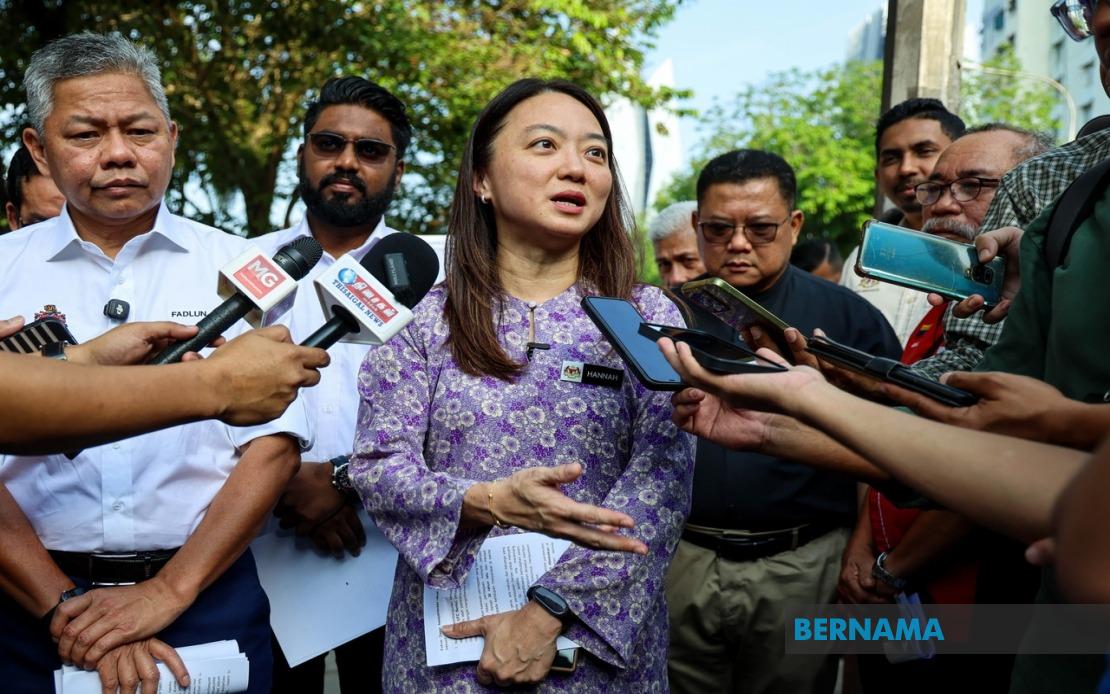
Malaysia's Minister in the Prime Minister's Department (Federal Territories) Hannah Yeoh has issued a direct challenge to local authorities across the nation, particularly those managing tourism destinations, to adopt a far more proactive stance when it comes to the upkeep of public infrastructure. Speaking after inspecting a hawker facilities upgrading initiative under the Sustainable Business Programme near the Urban Transformation Centre (UTC) Sentul in Kuala Lumpur, Yeoh emphasised that consistent maintenance and rigorous monitoring must become the default mode of operation, rather than reactive responses triggered by online outrage.
The minister's comments come in response to mounting complaints that have surfaced on social media platforms regarding deteriorating conditions at public facilities in Putrajaya, including malfunctioning lifts and escalators. Rather than treating these incidents as isolated cases, Yeoh framed them as symptomatic of a broader systemic issue affecting how local authorities (PBTs) discharge their fundamental responsibilities. She stressed that fundamental housekeeping duties—routine cleaning, safety inspections, and minor repairs—require no excuse for abandonment and should be executed on a continuous schedule regardless of public visibility or media attention.
While acknowledging that certain major infrastructure improvement projects may necessitate substantial budgetary allocations that strain local authority finances, Yeoh drew a clear distinction between these capital-intensive undertakings and basic maintenance protocols. The message was unambiguous: financial constraints cannot serve as justification for failing to address cleanliness and safety concerns. This distinction recognises the practical reality facing many Malaysian municipalities whilst simultaneously establishing a non-negotiable baseline standard for public facility management.
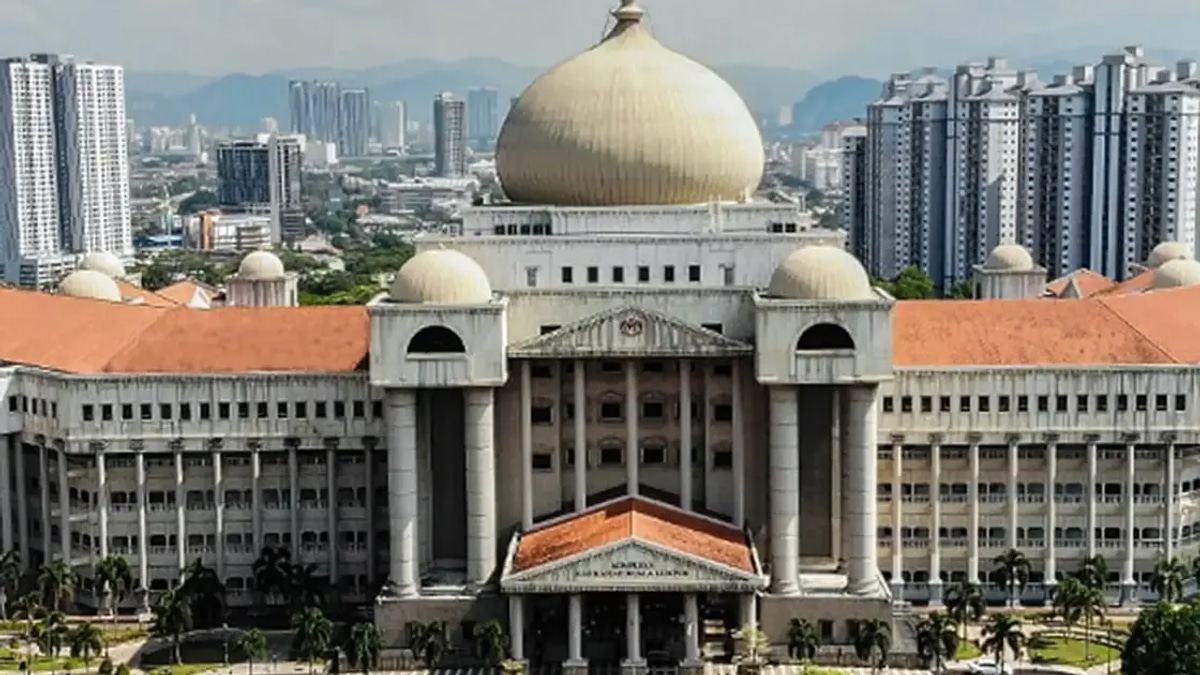
Putrajaya, as Malaysia's carefully planned federal administrative centre and an increasingly important tourism destination, holds particular significance in this discussion. The city serves as a showcase for Malaysian governance and urban development, making its public amenities a visible reflection of the nation's commitment to quality standards. Yeoh acknowledged that the leadership of Putrajaya Corporation has recently mobilised ground-level efforts to execute necessary repairs, yet she made evident that such reactive interventions should not become the norm. Going forward, all local authorities must establish preventive maintenance systems that eliminate the need for crisis management.
Yeoh's call for enhanced site visitation frequency by local authority personnel represents a practical mechanism for achieving these goals. By increasing the cadence of on-the-ground inspections and monitoring activities, PBTs can identify emerging problems at nascent stages before they escalate into the kinds of visible failures that generate social media backlash. This approach emphasises human accountability and direct observation over reliance on complaint mechanisms or viral videos to reveal systemic shortcomings.
Crucially, Yeoh's ministry has already initiated follow-up procedures, engaging directly with Putrajaya Corporation's management to ensure that repair works commence promptly. This intervention demonstrates that federal oversight mechanisms exist to enforce compliance and holds individual authorities answerable for their performance. The implication is clear: local authorities cannot expect to operate without scrutiny or consequences for neglect.
Beyond directing criticism toward PBTs, Yeoh extended her remarks to address the behaviour of social media users themselves. She advocated for greater discernment and critical thinking when consuming and sharing online content, particularly videos that purport to document municipal failures. Her argument centred on the inherent limitations of short-form digital media: a single video may capture only a fraction of the actual situation, presenting a distorted or incomplete narrative that lacks essential context and multiple perspectives.
This dimension of her statement touches on a broader societal challenge in the digital age—the rapid dissemination of potentially misleading information and the difficulty of ensuring that public discourse reflects nuanced reality rather than viral sensationalism. Yeoh noted that in contemporary media environments, anyone can assume the role of journalist or investigator, yet the information they circulate frequently represents merely ten percent of the complete picture. This technological democratisation of reporting, while offering certain benefits, simultaneously enables the spread of incomplete or unbalanced accounts that may trigger disproportionate public reaction.
Her call for social media users to exercise wisdom before amplifying grievances reflects an attempt to rebalance the relationship between digital accountability mechanisms and institutional responsibility. Rather than suggesting that public complaint online is inappropriate, Yeoh advocates for a more measured approach wherein citizens conduct basic verification and consider multiple angles before transforming isolated incidents into viral phenomena that dominate public discourse.
For Malaysian readers, particularly those in urban areas where municipal service quality directly affects daily life, Yeoh's statements underscore an important principle: citizens have legitimate expectations regarding cleanliness and safety in public spaces, and local authorities bear clear responsibility for meeting these baseline standards. However, the minister's remarks also suggest that the most effective path to improvement involves sustained institutional diligence rather than episodic responses to social media pressure.
The intersection of Yeoh's two main themes—demanding better performance from local authorities whilst encouraging more thoughtful social media usage—reflects an acknowledgment that solving Malaysia's municipal maintenance challenges requires action from multiple stakeholders. PBTs must fundamentally shift their operational cultures toward prevention rather than reaction, whilst citizens must channel their legitimate concerns through both immediate reporting mechanisms and broader accountability frameworks rather than relying solely on viral campaigns.