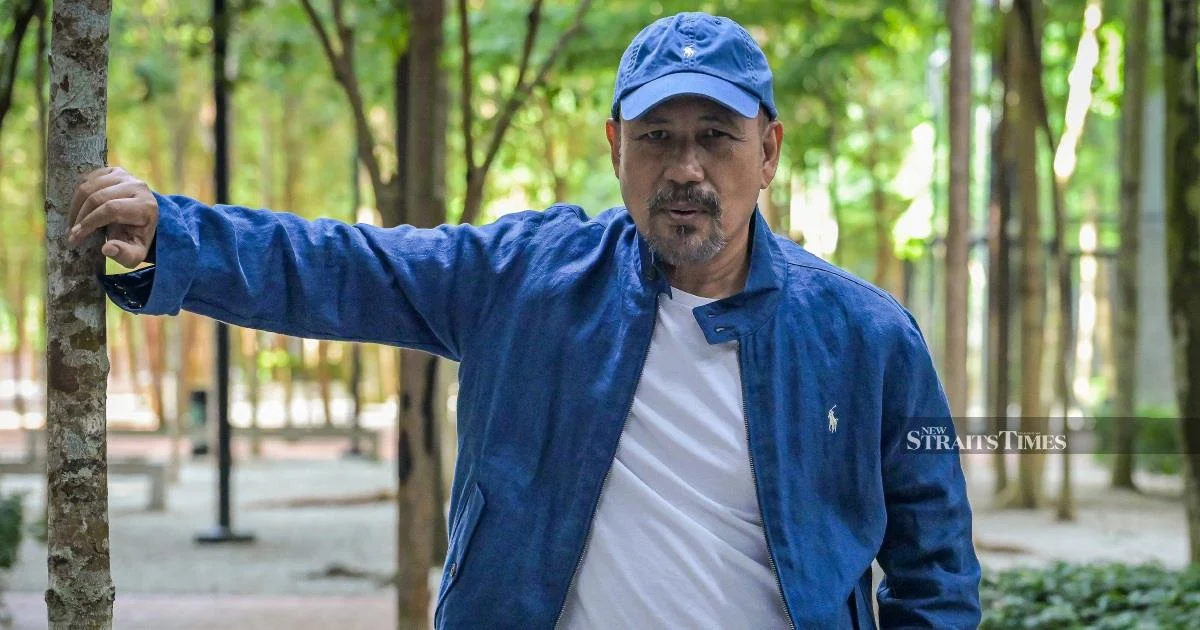
Legendary Malaysian musician Datuk M. Nasir is pursuing a RM5 million legal claim against MyTeksi Sdn Bhd, the company operating Grab's Malaysian services, after his name was allegedly exploited to promote a beverage product without authorisation. The prominent artist has chosen to limit public commentary on the matter, maintaining a cautious stance as the case progresses through the courts.
The dispute centres on what the musician's legal representatives contend was an improper commercial association between his name and a drink brand marketed through the ride-hailing platform's ecosystem. Such cases involving celebrities' rights to control their own image and commercial identity have become increasingly common in Malaysia's digital economy, where brand partnerships and endorsement deals constitute significant revenue streams for public figures. The allegation suggests a breach of fundamental intellectual property principles governing personal brand protection.
M. Nasir's decision to pursue damages of RM5 million reflects the substantial financial value he attributes to his name, reputation, and commercial endorsement rights accumulated over decades as one of Malaysia's most respected musical figures. The magnitude of the claim underscores how seriously the artist views the unauthorised association with the beverage product. For established personalities in Malaysia's entertainment industry, control over personal branding has become essential to maintaining both artistic integrity and commercial leverage in an increasingly crowded marketplace.
The case highlights a broader tension in Malaysia's creative economy between digital platform operators and traditional celebrity figures whose legacies were established before social media and algorithmic marketing became dominant. Platforms like Grab have expanded far beyond their original service offerings into lifestyle marketing and branded partnerships, sometimes creating grey areas around consent and proper attribution when leveraging personalities' names and likenesses.
From a legal perspective, Malaysian intellectual property and consumer protection frameworks provide creators with tools to defend their personality rights. The Merchandise Marks Act and relevant provisions of the Trade Descriptions Act offer potential avenues for claims involving misrepresentation and unauthorised use of identities in commercial contexts. M. Nasir's substantial damages claim suggests his legal team believes the breach was sufficiently egregious to warrant significant compensation, particularly given the potential damage to his personal brand and the loss of control over commercial partnerships bearing his name.
The implications for Malaysia's entertainment and digital commerce sectors are considerable. If M. Nasir's case succeeds, it would establish important precedent regarding how platform companies and their associated merchants must handle celebrity associations. Digital platforms operating in Malaysia would face increased obligations to verify endorsement permissions before allowing products to be marketed using public figures' names, potentially requiring more rigorous compliance systems and contractual safeguards.
For other Malaysian entertainers and public figures, this lawsuit serves as a reminder of the necessity for vigilant monitoring of their commercial image across digital channels. Many established celebrities have discovered their names or likenesses associated with products they never endorsed, often through indirect third-party arrangements or platform partner networks. Building robust legal protection mechanisms and maintaining clear documentation of all authorised endorsements has become essential professional practice.
MyTeksi's position in the dispute has not been extensively detailed in public statements, but the company's response through legal channels will likely centre on questions of whether adequate disclosure occurred, whether third-party merchants bore responsibility for proper attribution, or whether adequate consent mechanisms existed within their platform framework. The company's defence will probably address how extensively it monitors commercial associations made through its ecosystem.
The lawsuit also reflects evolving standards around celebrity reputation management in Southeast Asia's rapidly digitalising markets. Malaysian entertainment professionals increasingly recognise that protecting personal brand identity requires proactive legal strategies, not merely responsive actions after damage has occurred. M. Nasir's approach demonstrates how senior figures in the creative industries view their accumulated reputational capital as legally defensible assets worthy of substantial protection.
Beyond the immediate dispute, this case illustrates how Malaysia's entertainment industry continues adapting to digital-age commercial realities where traditional boundaries between product endorsement, casual association, and unauthorised use have become increasingly blurred. As e-commerce and platform-based marketing grow more sophisticated, incidents involving misappropriation of celebrity identities are likely to multiply, potentially generating additional litigation that will further define legal standards around personality rights in the Malaysian context.