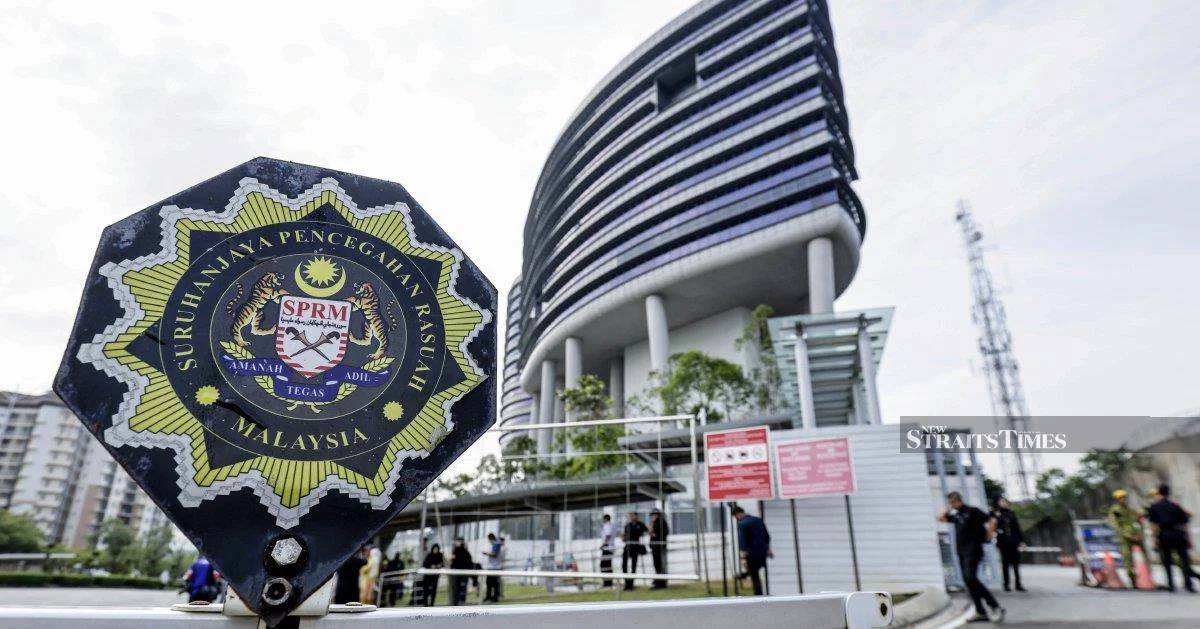
Malaysia's anti-corruption watchdog is widening its investigation into the Daya Kerjaya 2.0 employment incentive scheme to scrutinise underlying governance and procedural failures that may have enabled fraudulent activity worth RM9 million. The Malaysian Anti-Corruption Commission (MACC) move signals a comprehensive approach to understanding not only what went wrong with individual claims but the systemic vulnerabilities that allowed such breaches to occur in the first place.
The Daya Kerjaya 2.0 programme represents one of Malaysia's key interventions to support workforce development and job creation. Designed to provide employers with financial incentives to hire and train workers, the scheme has been positioned as critical to Malaysia's economic recovery and human capital development strategy. The discovery of significant fraud within the programme therefore carries implications beyond individual wrongdoing, raising questions about the robustness of government spending controls and the effectiveness of oversight mechanisms across similar initiatives.
The focus on governance weaknesses rather than solely investigating individual fraud cases reflects international best practice in anti-corruption work. By examining the structural deficiencies that allowed fraudulent claims to pass through the system, MACC can identify where checks and balances failed. This approach potentially extends beyond Daya Kerjaya 2.0, as similar vulnerabilities may exist in other government assistance programmes operating under comparable frameworks and approval processes.
Procedural weaknesses in employment incentive schemes can manifest in multiple ways. Documentation verification gaps, inadequate cross-referencing with tax and employment records, insufficient backend auditing, and unclear approval hierarchies all represent potential points where fraudulent claims might slip through. The fact that RM9 million in claims reached the payment stage suggests that either documentation was not properly vetted or that those responsible for approving payments did not conduct sufficient due diligence before releasing funds.
Governance concerns in such schemes typically extend to questions of accountability and oversight at various administrative levels. Officials responsible for approving claims, departmental supervisory staff, and higher management all play roles in ensuring that only legitimate claims receive funding. When fraudulent activity occurs, investigators must determine whether lapses were the result of negligence, lack of training, insufficient resources for proper verification, or deliberate circumvention of procedures.
For Malaysian businesses and workers reliant on such incentive programmes, weak governance creates a two-fold problem. It reduces confidence in scheme integrity and may deter legitimate applications if participants perceive that unscrupulous competitors are gaming the system. Additionally, when fraud consumes programme resources, it diverts funds from legitimate beneficiaries and potentially compromises the scheme's effectiveness in achieving its economic and social objectives.
The MACC investigation also carries implications for Malaysia's international standing on governance and anti-corruption efforts. As Southeast Asian nations increasingly compete to attract foreign investment, transparent and effective government spending mechanisms become more important. Companies considering whether to invest in Malaysia often assess the business environment partly through the lens of institutional integrity and corruption risk.
The employment incentive space remains crucial for Malaysia's policy agenda, particularly as the nation navigates post-pandemic economic challenges and seeks to upgrade workforce skills. Programmes like Daya Kerjaya 2.0 require robust architecture to deliver intended benefits while maintaining public confidence. The MACC examination of governance gaps should ultimately inform systemic improvements that strengthen such schemes against future abuse.
How quickly the commission completes its investigation and implements corrective measures will signal the seriousness with which authorities treat scheme integrity. Related agencies, including the Ministry of Human Resources, are likely to face scrutiny regarding their oversight responsibilities and may be pressed to implement enhanced controls before similar programmes are rolled out or scaled up.
The investigation underscores a broader accountability challenge that Malaysian policymakers must confront. While government assistance programmes serve important social and economic functions, they remain vulnerable to fraud without proper governance foundations. The RM9 million loss, while significant, could be dwarfed by undetected fraud in schemes with even weaker controls, making the MACC's systematic approach to examining procedural vulnerabilities a necessary institutional response.
Looking forward, the findings from this investigation are likely to influence how government designs and implements similar employment and assistance schemes. Authorities may introduce stricter documentation requirements, more frequent audits, better integration with tax and employment records, and clearer accountability frameworks. Such reforms, while adding administrative burden, would help protect public resources and ensure that assistance genuinely reaches intended beneficiaries rather than being diverted through fraudulent claims.