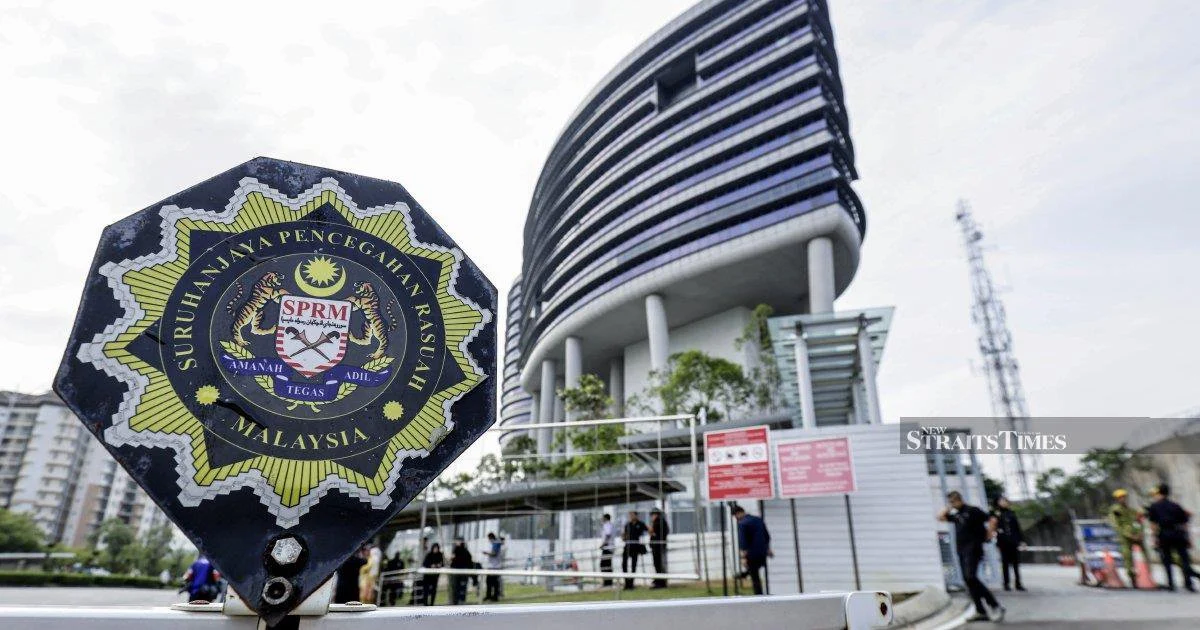
The Malaysian Anti-Corruption Commission has escalated its Operation Sutra investigation with the filing of 158 criminal charges against an individual, marking a significant development in the ongoing crackdown on public sector corruption. The defendant is scheduled to appear before the Shah Alam Sessions Court, where the gravity of the accusations—spanning systematic misappropriation of government resources—will be formally presented before the judiciary.
Operation Sutra represents one of the MACC's most ambitious enforcement campaigns in recent years, targeting the diversion and misuse of state funds through illicit channels. The sheer volume of charges laid against this individual suggests an intricate pattern of wrongdoing, likely spanning multiple transactions and involving substantial sums diverted from intended public purposes. The breadth of the prosecution underscores the commission's determination to pursue high-impact cases that undermine institutional integrity and fiscal discipline.
For Malaysian observers, this prosecution reinforces the MACC's capacity to mobilise extensive investigative resources and build comprehensive cases that withstand legal scrutiny. The 158 counts indicate meticulous documentary work and evidence collection—a foundation essential for securing convictions in complex financial crime prosecutions. Each charge presumably documents distinct instances of fund misappropriation, painting a cumulative picture of systematic misconduct rather than isolated lapses in administrative oversight.
The Shah Alam Sessions Court venue places this case within Selangor's jurisdiction, a state that has witnessed considerable MACC enforcement activity as the nation's most populous and economically dynamic region. The court's prominence as a venue for significant criminal proceedings suggests the case's implications extend beyond individual culpability to broader questions about institutional accountability and governance standards across state apparatus. Malaysia's judiciary, long positioned as an independent arbiter in corruption cases, will now adjudicate the evidence and arguments that MACC prosecutors marshal.
Corruption of this magnitude—evident in the sheer number of offences—carries profound implications for public trust. Citizens depend on their government's stewardship of fiscal resources; when those entrusted with managing taxpayer funds systematically divert them for unauthorised purposes, confidence in state institutions erodes. This prosecution, therefore, functions not merely as punishment for individual wrongdoing but as a reassurance to the public that systemic oversight and accountability mechanisms remain functional and credible.
The timing of such charges reflects MACC's operational calendar and investigative completion schedules. The move from investigation to prosecution represents months or years of document analysis, witness interviews, and technical forensic accounting. That the commission has reached the charging stage suggests investigators have compiled evidence they assess as sufficiently robust to satisfy the prosecutorial burden in Malaysian courts, where the case must proceed beyond reasonable doubt standards.
Regional observers monitoring Malaysia's anti-corruption trajectory will scrutinise both the conviction prospects and the sentences ultimately imposed. Southeast Asia faces persistent challenges with corruption, and Malaysia's approach—combining investigative capability with prosecutorial follow-through—offers a model worth examining. Conversely, weaknesses in either investigation quality or courtroom advocacy could undermine enforcement credibility across the region.
The specific nature of the misappropriation—whether involving construction contracts, procurement manipulation, salary falsification, or grant diversion—remains undisclosed in formal charges but will emerge through court proceedings. Each category of misconduct reflects different methodologies and institutional vulnerabilities that, once exposed through litigation, can inform preventive measures elsewhere in the bureaucracy. Transparency in prosecuting and publicly adjudicating such cases serves an educational function beyond the immediate courtroom outcome.
For stakeholders in Malaysia's governance ecosystem—including civil service leaders, procurement officials, and state audit bodies—this prosecution carries cautionary weight. The MACC's willingness to prosecute individuals on multiple charges demonstrates that institutional rank offers no blanket protection. Whether the defendant occupied senior or junior positions within their organisation, the commission's action signals that systematic misconduct will face legal consequences through sustained, methodical prosecution.
As the case unfolds in Shah Alam, observers should monitor not only conviction prospects but also the sophistication of defence arguments and the court's reasoning in adjudicating financial crime charges. Malaysian jurisprudence on corruption continues developing, with each significant case contributing precedential weight to subsequent prosecutions. The verdicts and sentencing in Operation Sutra matters will shape both public understanding of accountability and institutional expectations regarding ethical conduct within government.
The prosecution's success or failure will reverberate across Malaysia's public sector and its regional standing. A robust conviction would validate MACC's enforcement model and reinforce deterrent effects; conversely, acquittal or reduced charges might prompt reflection on investigation protocols or evidentiary standards. Regardless of courtroom outcomes, the fact that systematic misappropriation allegations reach formal prosecution demonstrates that Malaysia's anti-corruption infrastructure retains sufficient institutional autonomy and investigative capacity to challenge serious public sector misconduct.