Datuk Dr Zulkifli Hasan, the Minister in the Prime Minister's Department (Religious Affairs), has appealed to Malaysia's young population to find inspiration in Prophet Muhammad's historic migration, viewing it as a blueprint for personal and collective transformation. Speaking in Putrajaya on June 16, the minister emphasised that the concept of Hijrah—often understood as physical migration but extending to spiritual and social renewal—carries profound lessons applicable to contemporary Malaysian society seeking positive change and development.
The minister underscored the considerable capacity young Malaysians possess to effect meaningful change, encouraging them to reflect deeply on the principles embodied in Prophet Muhammad's journey from Makkah to Madinah. This historical migration, he noted, represents far more than a geographic movement; it symbolises a deliberate shift toward building sustainable institutions and communities grounded in ethical values. The minister's remarks come against the backdrop of Malaysia's evolving socio-economic landscape, where youth engagement in nation-building remains a policy priority across government agencies.
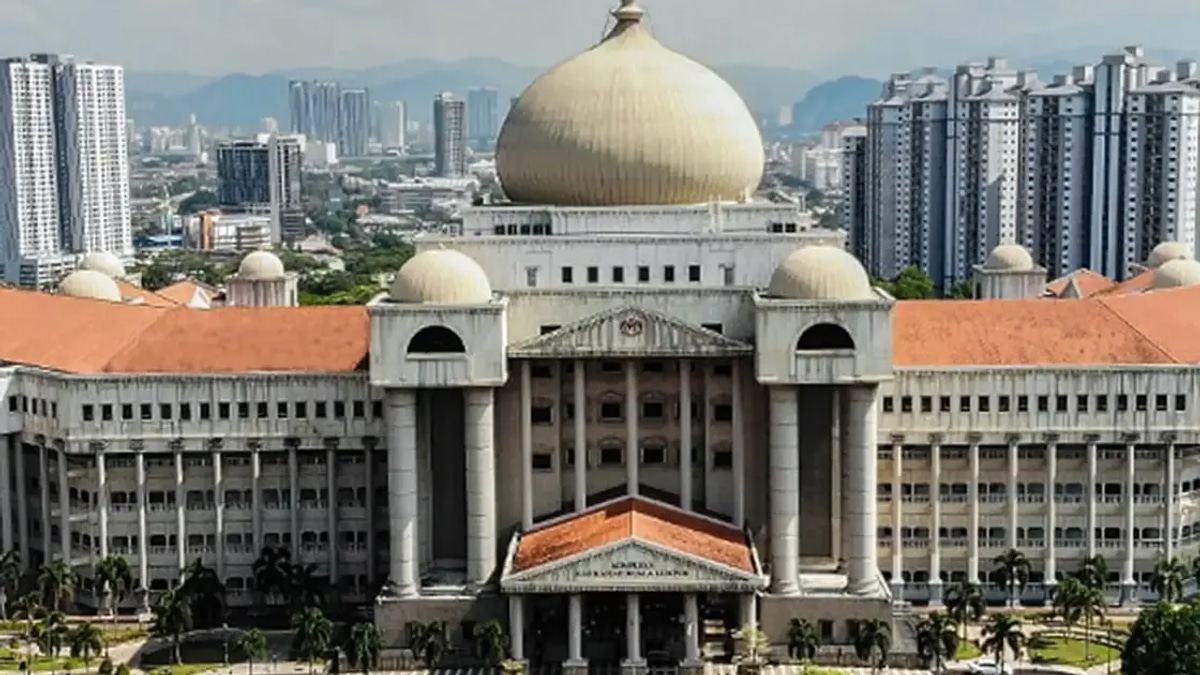
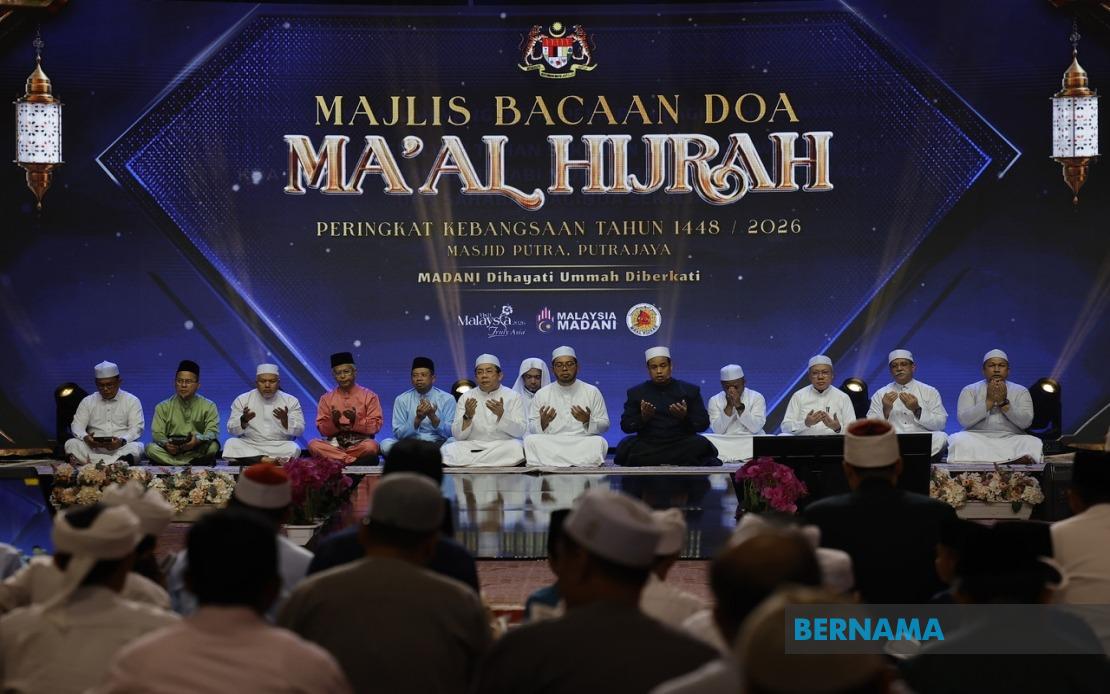
This year's national Maal Hijrah celebration—marking the Islamic calendar's 1448H year corresponding to 2026 in the Gregorian calendar—carries the thematic focus of channelling Hijrah's transformative spirit into contemporary contexts. The celebration's design reflects a strategic decision to anchor the commemoration at Putra Mosque, deliberately chosen as the symbolic starting point. By beginning proceedings at this iconic mosque, organisers sought to create a tangible connection between Prophet Muhammad's establishment of the first institutional structure in Madinah and modern efforts to build community and civilisational foundations in Malaysia.
The decision to centre the celebration at Putra Mosque carries particular significance in Malaysia's religious and cultural landscape. The mosque served as the first institution Prophet Muhammad established upon arrival in Madinah, functioning not merely as a place of worship but as the nucleus of community governance, education, and social welfare. This historical precedent is particularly relevant to Malaysian audiences grappling with questions about the mosque's evolving role in contemporary society and how religious institutions can contribute more broadly to national development beyond spiritual functions.
Zulkifli outlined that this year's commemoration adopts a more measured approach compared to previous celebrations, deliberately scaling down the scale of festivities in acknowledgment of Malaysia's energy conservation imperatives. These concerns reflect broader regional and global supply chain challenges affecting Southeast Asian economies, including Malaysia. The decision to maintain a modest celebration demonstrates how even religious and cultural observances are being recalibrated to align with sustainability goals and resource management priorities facing the nation.
The national-level programme commences on June 17 at Putra Mosque from 7 am, featuring the presentation of national and international Maal Hijrah Figure awards. The ceremony will be officiated by Sultan Nazrin Shah, the Sultan of Perak, lending royal patronage and institutional weight to the occasion. This arrangement reflects Malaysia's constitutional framework wherein the Yang di-Pertuan Agong and the sultanates play ceremonial and symbolic roles in major national and religious events, bridging federal and state-level governance structures.
Complementing the primary ceremony, a keynote lecture featuring distinguished national and international figures associated with the Maal Hijrah movement is scheduled for June 18 at the JAKIM Auditorium. The organisers anticipate approximately 1,000 participants attending this intellectual session, positioning it as a platform for public engagement with contemporary interpretations of Hijrah's principles. The lecture format allows speakers to share their experiences, perspectives, and insights into how the Hijrah spirit can be meaningfully embraced in modern contexts—a particularly important dimension for Malaysian audiences seeking practical applications of historical and religious concepts.
The participation of international figures in these commemorations reflects Malaysia's positioning as a significant player in the global Islamic discourse. By inviting speakers from beyond Malaysia's borders, the celebration acknowledges the universality of Hijrah's message while simultaneously demonstrating how different Muslim-majority societies interpret and apply these principles within their distinct national contexts. For Malaysian youth, exposure to diverse international perspectives offers comparative insights into how societies navigate religious values alongside contemporary challenges.
The emphasis on youth engagement throughout these commemorations addresses a strategic policy concern in Malaysia. Young people constitute a substantial demographic cohort, and their productive channelling toward nation-building objectives remains a consistent priority across government ministries. By framing Hijrah as a call to personal transformation, institutional building, and community service, religious authorities seek to inspire youth participation in constructive national endeavours. This messaging particularly resonates in contexts where youth unemployment, underemployment, and disengagement have been identified as emerging challenges.
Zulkifli's framing of Hijrah transcends religious commemoration, positioning it as a developmental and transformational concept. The migration narrative, understood through this lens, becomes a metaphor for breaking from stagnation, embracing change purposefully, and building institutions and communities capable of sustainable progress. This interpretation appeals across religious and secular constituencies, offering a framework through which Malaysia can discuss national renewal and positive change drawing on deep cultural and spiritual foundations.
The 2026 Maal Hijrah celebration thus represents more than a religious observance; it constitutes a public policy intervention aimed at mobilising Malaysian youth around principles of institution-building, community responsibility, and positive social change. By deliberately anchoring the celebration at Putra Mosque and emphasising the institutional dimensions of Prophet Muhammad's migration, Malaysian authorities are attempting to connect historical religious narratives with contemporary challenges of governance, social cohesion, and sustainable development. For the broader Southeast Asian region observing Malaysia's approach, these commemorations offer insights into how Muslim-majority nations integrate religious traditions with modern governance and development priorities.