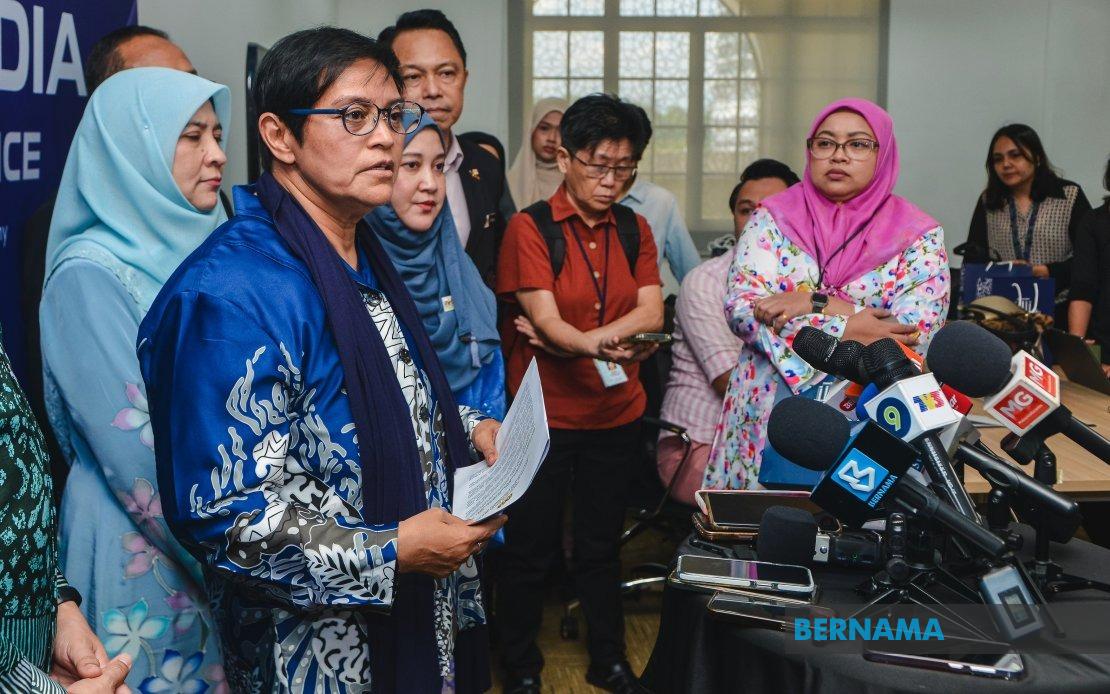
Malaysia is stepping into uncharted legal territory with the Anti-Bullying Act 2026, which fundamentally reshapes how the nation addresses childhood bullying by extending criminal liability beyond young perpetrators to their parents and guardians. Unveiled by Datuk Seri Azalina Othman Said, Minister in the Prime Minister's Department (Law and Institutional Reform), the legislation represents a watershed moment in Malaysian jurisprudence, introducing the principle of parental joint liability—a concept rarely integrated into the country's criminal justice framework. The move comes against a backdrop of rising bullying incidents nationwide, some culminating in tragic outcomes that have shocked communities and prompted urgent legislative intervention.
The parental responsibility clause constitutes the Act's most distinctive feature, fundamentally departing from conventional criminal law principles that vest accountability solely in the individual offender. Under this new regime, parents and guardians face direct legal consequences for bullying perpetrated by their children, with financial penalties binding the entire family unit rather than just the young perpetrator. This extended liability encompasses not merely the imposition of fines but extends to the enforcement mechanisms surrounding them, effectively making parents co-accountable stakeholders in the legal proceedings. The approach acknowledges a societal truth long recognised in child psychology and educational circles: that parental oversight, discipline, and values transmission play decisive roles in shaping adolescent behaviour. By introducing joint liability, Malaysian lawmakers are signalling that parental negligence or failure to instil appropriate conduct standards carries genuine legal consequences.
The legislative framework establishes the Anti-Bullying Tribunal as the cornerstone institutional mechanism for adjudicating cases, a specialised forum that operates independently from conventional courts. Staffed by 56 tribunal members selected for their expertise in legal matters and child-related specialisations, the tribunal brings together psychologists, educators, social workers, and jurists capable of understanding the multifaceted nature of bullying behaviour. This interdisciplinary composition reflects recognition that bullying cannot be adequately addressed through purely legalistic approaches; rather, it demands holistic assessment encompassing psychological profiles, family dynamics, and developmental contexts. The tribunal's headquarters, formally inaugurated at the Asian International Arbitration Centre (AIAC) in Kuala Lumpur, provides administrative infrastructure while maintaining geographic flexibility to serve diverse communities across Malaysia's peninsula and beyond.
Access to justice forms a central pillar of the Act's implementation strategy, with the government establishing six distinct hearing zones—combining physical and virtual facilities—strategically distributed across the nation. Rather than constraining proceedings to formal courtroom settings, the tribunal conducts hearings at schools, Legal Aid Department offices, and through digital platforms, recognising that accessibility removes barriers preventing victims from pursuing remedies. This decentralised approach proves particularly valuable for rural communities where geographic distance traditionally impeded access to legal mechanisms. The utilisation of existing infrastructure—unused courtrooms, Legal Affairs Division facilities, and virtual capabilities—demonstrates fiscal pragmatism while simultaneously expanding the Act's practical reach. Schools, long identified as bullying epicentres, become natural hearing venues rather than obstacles to justice processes.
Victim-centric provisions within the legislation underscore a philosophical shift toward empowering those harmed rather than focusing exclusively on perpetrator punishment. The Act explicitly permits victims to lodge complaints directly with the tribunal regardless of whether incidents occurred within or beyond institutional premises, eliminating artificial jurisdictional limitations that historically complicated access. This provision proves particularly significant for bullying occurring through digital platforms or in community settings, circumstances that previously fell into legal grey zones. By removing gatekeeping requirements—such as mandatory reporting through school management or hostel authorities—the legislation acknowledges that institutional actors sometimes prioritise reputation management over victim protection, a reality documented in numerous Malaysian schools.
The establishment of a dedicated public portal facilitates complaint registration, leveraging digital technology to demystify legal procedures and reduce intimidation factors that typically discourage victims from formalising complaints. Online registration removes logistical obstacles, enables documentation preservation, and creates permanent records that strengthen evidentiary foundations. For young victims often traumatised by bullying experiences, the ability to submit complaints remotely through technology familiar to their generation addresses both practical and psychological barriers to justice-seeking. The portal's operation demonstrates alignment with Malaysia's broader digital governance initiatives while acknowledging that contemporary bullying increasingly occurs in online environments requiring similarly contemporary complaint mechanisms.
Azalina emphasised throughout the tribunal's launch that the legislation aims fundamentally to recalibrate social attitudes toward bullying, particularly among youth populations who frequently minimise such conduct as trivial adolescent behaviour. The tribunal's existence itself communicates seriousness—bullying now triggers formal legal machinery rather than remaining internal institutional matters or family affairs addressed privately. This cultural message carries profound implications for Malaysia's younger generations, signalling that aggressive exclusion, intimidation, and harassment constitute genuine misconduct with legal ramifications. The awareness campaign must necessarily extend beyond the victim population to encompass potential perpetrators and their families, creating deterrent effects through publicised cases and tribunal outcomes. Schools, youth organisations, and digital media become critical channels for transmitting these messages, embedding understanding that bullying incurs family-level consequences.
The legislation's introduction occurs within Malaysia's broader legal modernisation agenda, reflecting governmental commitment to addressing contemporary social challenges through innovative legislative architecture. The concept of parental joint liability may encounter constitutional scrutiny or resistance from parents' rights advocates, arguments centring on fairness, proportionality, and parental authority boundaries. However, proponents advance compelling counterarguments grounded in child welfare prioritisation and recognition that parental involvement substantially influences bullying prevalence rates. Several Southeast Asian jurisdictions monitor Malaysia's implementation with considerable interest, potentially adopting comparable frameworks should the tribunal demonstrate effectiveness in reducing bullying incidents and victim trauma.
The tribunal's specialist composition and victim-centric procedures position it as potentially groundbreaking within Malaysia's judicial landscape. Unlike traditional courts constrained by rigid procedural rules and adversarial frameworks, the tribunal can adopt rehabilitative approaches emphasising restoration, apology, and behavioural modification where appropriate. This flexibility permits nuanced responses acknowledging that many bullying incidents result from immaturity, peer pressure, or unresolved personal conflicts rather than inherent maliciousness. Consequently, the tribunal system may achieve greater success than conventional criminal prosecution in reducing recidivism while addressing underlying causes. The tribunal likewise serves educational functions, generating case law and practical guidance illuminating the Act's application while building jurisprudential frameworks around bullying conduct classification and appropriate remedies.
Implementation success ultimately depends upon institutional capacity, public awareness, and consistent political commitment. The tribunal must navigate considerable challenges including staff training, case management systems development, and maintaining quality standards across distributed hearing zones. Budgetary allocations require sustained parliamentary support, particularly given Malaysia's competing fiscal priorities. Public awareness campaigns must reach vulnerable populations—rural communities, urban poor, migrant families—who traditionally underutilise government services. Schools require training in referring appropriate cases while managing institutional reputation concerns. Despite these implementation complexities, the Anti-Bullying Act 2026 represents significant legislative progress addressing a pervasive social problem that has generated tragedy across Malaysia.