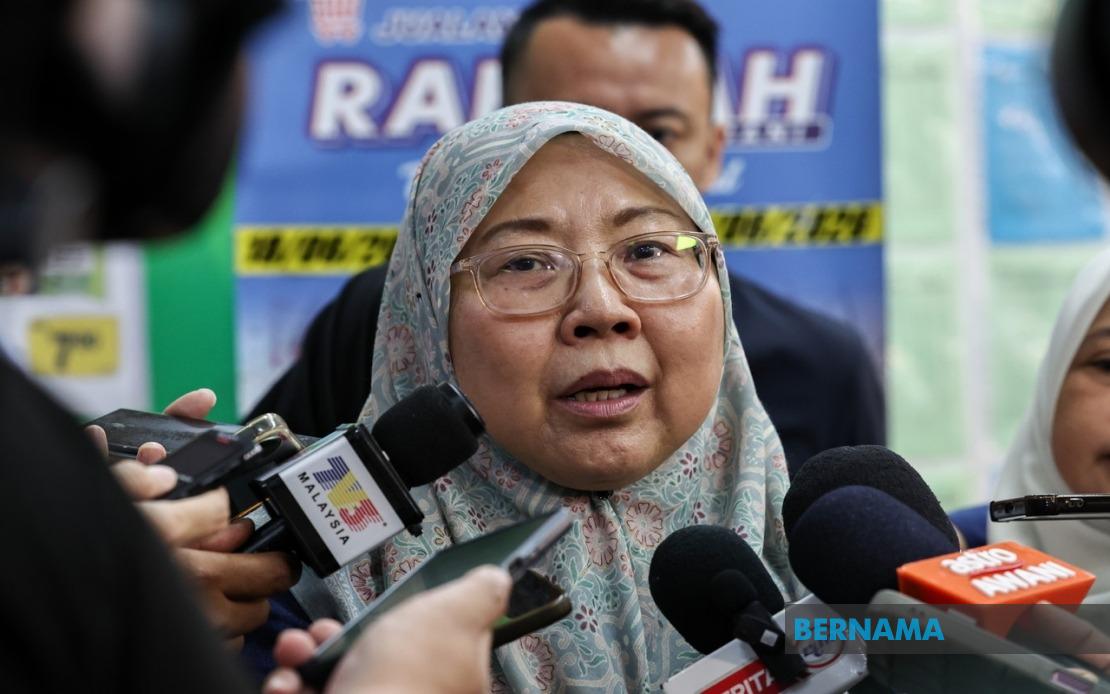
The Ministry of Domestic Trade and Cost of Living (KPDN) has moved to reassure Malaysians that essential goods will remain readily available in Johor and Negeri Sembilan during the state election period, even as global shipping costs continue climbing due to disruptions from the conflict in West Asia. Deputy Minister Datuk Dr Fuziah Salleh outlined the ministry's comprehensive strategy to maintain supply chain stability during what is typically a demanding period for retail and distribution networks, when election activities and an influx of visiting officials and supporters can strain inventory systems.
The ministry has proactively introduced a streamlined distribution framework for subsidised cooking oil that bypasses traditional wholesale intermediaries entirely. Under this restructured approach, repackers now deliver products directly to retail points of sale, reducing handling steps and potential bottlenecks in the supply chain. This direct-to-retail model represents a shift from conventional distribution architecture and reflects lessons learned from previous supply challenges during periods of heightened demand.
Johor's cooking oil allocation stands at over 3,000 metric tonnes monthly, managed through a network of 18 repackers working in coordination with 95 designated sales points. These outlets include major supermarket chains such as Econsave, strategically positioned across the state to ensure geographic coverage and accessibility for consumers. An inspection visit to Econsave Taman Daya confirmed inventory levels remain healthy, with approximately 100 cartons available daily to serve the local market—a figure suggesting comfortable stock levels above minimum operational thresholds.
To prevent diversion of price-controlled goods to unauthorised channels or to non-eligible purchasers, the ministry has implemented point-of-sale verification mechanisms. Checkout procedures now require customers to either scan a digital application or present their MyKad identity card, thereby restricting subsidised products exclusively to Malaysian citizens. These controls aim to eliminate leakage into grey markets or resale networks that could undermine the policy objectives of affordability protection for the domestic population.
Beyond cooking oil, the ministry has expanded its Rahmah MADANI Sales Programme (PJRM), a broader initiative designed to ease cost-of-living pressures through targeted retail activations. Between January 1 and June 13, 2026, the programme conducted 13,692 events across Malaysia, generating substantial consumer engagement and transaction volumes. This nationwide rollout demonstrates the government's commitment to maintaining affordable goods accessibility beyond election periods, positioning the programme as a sustained policy instrument rather than a temporary electoral measure.
Within Johor specifically, the programme achieved notable penetration, with 920 separate events held across all 56 state constituencies. These activations attracted 2.3 million visitor interactions and facilitated over 1.46 million transactions, indicating strong consumer participation and suggesting that awareness of subsidised goods availability is relatively widespread across the state. The scale of these numbers illustrates the programme's reach into both urban and regional constituencies, suggesting the ministry's distribution infrastructure can accommodate significant volumes during concentrated periods.
For Southeast Asian readers monitoring Malaysia's approach to inflation management, the KPDN's strategy offers a instructive case study in real-time price control implementation. While many regional economies struggle with cost-of-living pressures, Malaysia's ministry has chosen a technology-enabled verification system combined with structural supply chain reform rather than relying solely on traditional price caps or import subsidies. This hybrid approach acknowledges both the need for consumer protection and the risk of market distortions or illicit leakage.
The timing of these assurances is significant given that the Johor state election is scheduled for July 11, 2026, with early voting commencing July 7 and candidate nominations occurring June 27. The compressed timeline between the announcement and polling means distribution systems must perform at peak efficiency, with no margin for supply interruptions. Election periods historically create unpredictable demand spikes as campaigns intensify and people adjust shopping patterns around voting schedules and public holidays.
Global logistics conditions continue to challenge supply chain resilience across Asia-Pacific. Elevated shipping costs resulting from the West Asia conflict have increased the cost basis for imported goods throughout Malaysia's supply chains. By pre-positioning inventory and streamlining distribution, the KPDN is attempting to absorb these cost pressures at the ministry level rather than passing them to consumers purchasing subsidised items, though the sustainability of this approach depends on global shipping costs stabilising or declining.
The ministry's emphasis on preventive measures rather than reactive crisis management suggests confidence in the adequacy of Johor's distribution infrastructure. By deploying new direct-to-retailer systems, conducting pre-election stock inspections, and expanding the PJRM's frequency, the government is attempting to demonstrate command over supply chain variables typically beyond individual ministry control. This positioning carries electoral dimensions, as visible abundance of affordable goods typically reinforces voter perceptions of governmental competence and benevolence.
Negeri Sembilan, which shares the election schedule with Johor, receives parallel assurances, though the ministry's detailed disclosures focused predominantly on Johor's specifics. This suggests Negeri Sembilan's smaller population and different supply chain architecture may require less intensive communication, or that Johor, as the nation's second-largest state, merited higher-profile reassurance and detailed operational transparency. Both states' election outcomes will likely be analysed partly through the lens of whether voters perceived genuine or artificial scarcity of essential goods.