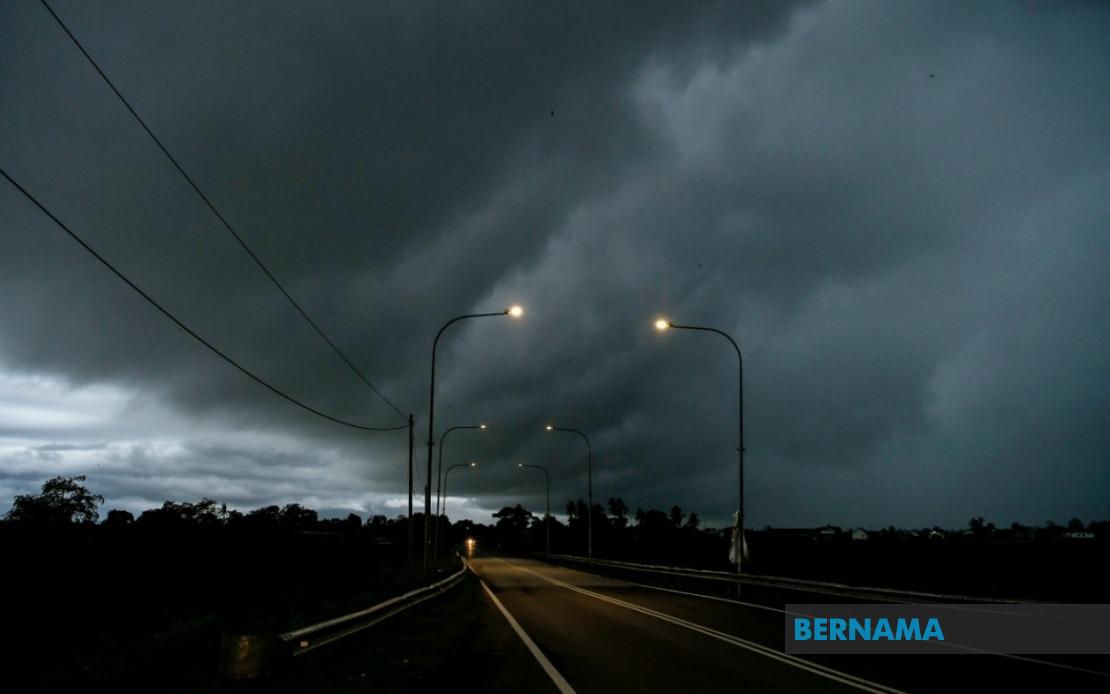
The Malaysian Meteorological Department (MetMalaysia) has activated a thunderstorm warning spanning six states and the federal territory of Labuan, alerting residents to prepare for hazardous weather conditions persisting through the early morning hours. The alert, issued on June 18, encompasses a broad geographical area across Peninsular Malaysia and East Malaysia, with forecasters predicting heavy downpours and gusty winds that could disrupt daily activities and pose safety risks to communities in the affected zones.
In Peninsular Malaysia, the warning blankets selected districts across the northern and eastern regions. Kedah residents in the districts of Padang Terap, Sik and Baling should remain vigilant for sudden weather deterioration. Perak's Hulu Perak district faces similar threats, while Kelantan sees the warning extend across a wider swath including Tumpat, Pasir Mas, Jeli, Tanah Merah and Kuala Krai. Further south, Pahang's Jerantut district is also under alert, suggesting that the monsoon-influenced weather system is affecting both the northwestern and eastern coastal corridors of the peninsula.
Sarawak, Malaysia's largest state, bears the brunt of the warning with numerous districts placed on alert. The coverage includes the state capital Kuching and surrounding areas such as Serian and Samarahan, indicating that weather conditions in the southwestern region are particularly unsettled. Mid-division districts including Sri Aman and Betong, along with Sarikei and the riverside divisions of Sibu and Kapit, all feature in the warning list. The alert extends to Bintulu on the coast and stretches northward through Miri and Limbang, demonstrating that the weather system's influence spans nearly the entire width of Sarawak from coast to interior.
Sabah's exposure to the thunderstorm threat covers several geographically diverse districts reflecting the state's complex topography. The Interior division's Kuala Penyu, the West Coast districts of Putatan and Ranau, and the eastern Sandakan division zones of Telupid and Beluran are all included in MetMalaysia's advisory. Additionally, the federal territory of Labuan, situated off Sabah's coast, has been incorporated into the warning zone, suggesting that maritime and coastal communities should exercise heightened caution during this period.
Thunderstorm warnings of this scope carry practical implications for residents and authorities across the affected areas. Heavy rainfall can rapidly overwhelm drainage systems, particularly in low-lying urban zones and agricultural regions, leading to flash flooding that disrupts transportation networks and threatens lives. Strong winds accompanying thunderstorms pose hazards to structures, vegetation and outdoor infrastructure, while lightning strikes present serious safety risks to individuals caught outdoors. Schools, businesses and public services in warned areas typically activate contingency protocols to minimise disruption and safeguard personnel.
The temporal specificity of MetMalaysia's warning—extending until 1 am on June 19—suggests that forecasters have identified a defined weather system expected to move through the region within a compressed timeframe. This precision allows authorities and communities to calibrate their preparedness measures appropriately, understanding that conditions should stabilise by early morning, though residual moisture and instability may linger. Residents are typically advised to secure loose outdoor items, avoid unnecessary travel during peak storm activity and keep emergency contact numbers readily accessible.
Geographically, the warning's distribution reveals interesting meteorological patterns. The concentration of alerts across Sarawak and Sabah indicates that East Malaysian territories are experiencing more intense atmospheric disturbance, possibly linked to localised heating, orographic effects from highland regions or monsoon-influenced moisture convergence. The scattered nature of alerts across Peninsular Malaysia suggests a more patchy, convective rainfall regime typical of inter-monsoon periods when thunderstorm development becomes highly localised and unpredictable.
For Malaysian readers, particularly those in the specified districts, this alert underscores the importance of maintaining awareness of meteorological updates during the monsoon transition seasons. Weather conditions across Malaysia remain inherently dynamic, with systems capable of intensifying or shifting rapidly. Staying informed through MetMalaysia's official channels, local news broadcasts and emergency management announcements ensures that individuals and families can make timely decisions regarding outdoor activities, travel plans and protective measures.
Communities in warned zones would be well-advised to review emergency preparedness—ensuring household supplies are stocked, mobile devices are charged, and family members understand designated shelter locations. Farmers and plantation operators should consider securing crops and equipment vulnerable to wind damage, whilst drivers should exercise extra caution on highways where sudden heavy rain reduces visibility and road conditions deteriorate sharply. Local authorities typically deploy personnel to monitor critical infrastructure and respond swiftly to any incidents arising from the adverse weather.