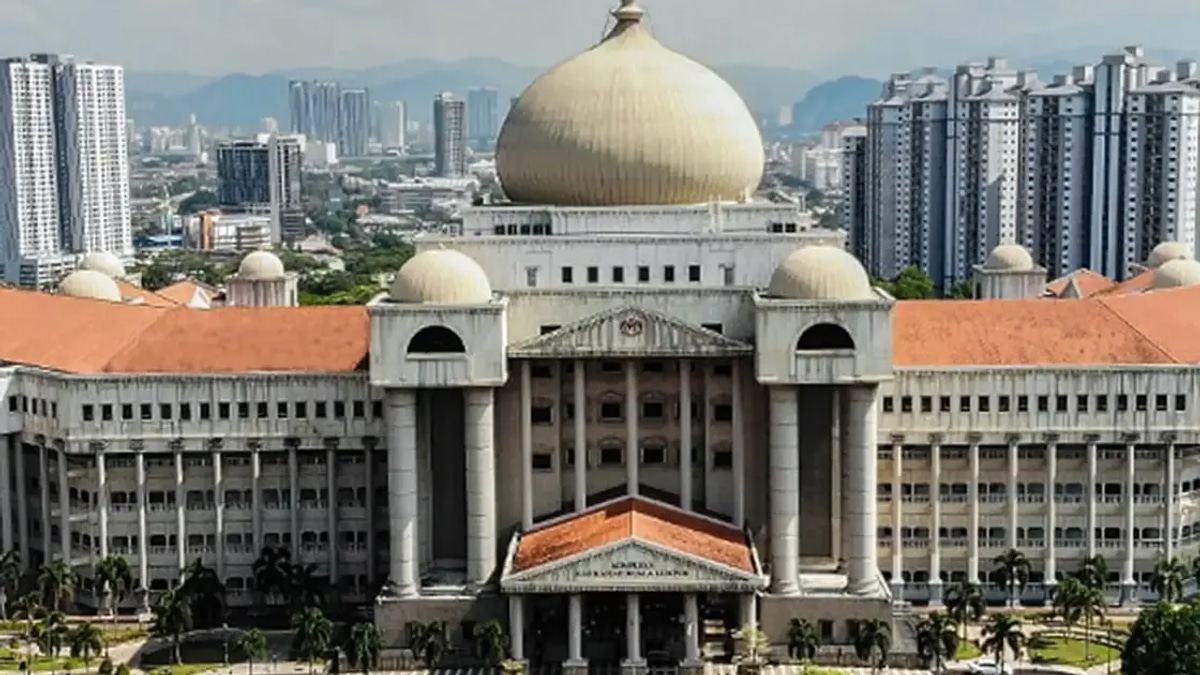
The Alor Star Sessions Court has proceeded with charges against two military personnel accused of involvement in human smuggling operations along the Malaysia-Thailand frontier. The pair allegedly facilitated the unlawful crossing of three Myanmar nationals through the porous international boundary during the previous month, raising fresh concerns about the complicity of state security forces in irregular migration networks that plague the region.
The case underscores a persistent challenge confronting Malaysian authorities: the exploitation of border security infrastructure by uniformed personnel themselves. The involvement of soldiers in migrant trafficking represents a particularly troubling dimension of cross-border smuggling, as it suggests corruption or coercion within defence and security establishments that are ostensibly tasked with preventing such activity. Investigations have reportedly established sufficient evidence to warrant formal prosecution under relevant statutes governing human smuggling and border control violations.
Myanmar's ongoing political instability and economic deterioration have intensified migration pressures throughout Southeast Asia. Hundreds of thousands of Burmese nationals have sought refuge or economic opportunity across neighbouring countries, with many undertaking perilous journeys through unofficial channels controlled by organised smuggling networks. The Malaysia-Thailand border, stretching through mountainous terrain and remote jungle, remains a primary transit corridor for irregular migrants attempting to reach Malaysian cities and beyond.
Border enforcement between Malaysia and Thailand has historically suffered from logistical constraints, jurisdictional ambiguities, and resource limitations that criminal networks routinely exploit. The involvement of military or paramilitary personnel in facilitating smuggling operations demonstrates how institutional vulnerabilities can be weaponised by corrupt actors within government structures. This dynamic is not unique to Malaysia; across the region, security forces have been implicated in migrant trafficking, often operating with relative impunity due to their privileged access to border infrastructure and intelligence.
The Myanmar migration crisis has become deeply intertwined with Malaysian domestic policy and security discourse. Authorities estimate that hundreds of thousands of undocumented Burmese workers reside within Malaysia, many concentrated in urban low-wage sectors including construction, manufacturing, and domestic labour. This irregular population creates vulnerabilities for exploitation and crime while straining public services and social stability. Border communities particularly bear the demographic and social impact of uncontrolled migratory flows.
Thailand's role as an intermediate transit point complicates enforcement efforts. Many Myanmar migrants pass through Thai territory en route to Malaysia, and cooperation between Thai and Malaysian border agencies remains inconsistent. The shared frontier encompasses multiple crossing points, both official and clandestine, with smuggling operations routinely adapting their routes to circumvent detection. Corruption within Thai enforcement structures similarly facilitates the movement of irregular migrants northward.
The prosecution of military personnel sends mixed signals regarding institutional accountability. While bringing uniformed smugglers to justice demonstrates formal commitment to combating trafficking, critics argue that fundamental structural reforms remain absent. Military and police forces require comprehensive vetting, training, and oversight mechanisms specifically addressing corruption and complicity in smuggling networks. Isolated prosecutions, without systemic institutional change, often prove insufficient as deterrents.
Regional cooperation has emerged as essential to disrupting migrant trafficking infrastructure. ASEAN member states increasingly recognise that unilateral border enforcement cannot address supply-side pressures emanating from Myanmar's crisis. Coordinated intelligence sharing, joint patrols, and harmonised legal frameworks could theoretically enhance border security effectiveness. However, political divisions within ASEAN, competing strategic interests, and variable institutional capacity have impeded such coordination.
The economic incentives driving smuggling remain formidable. Migrants pay substantial sums to traffickers, generating lucrative revenue streams that sustain criminal organisations. Simultaneously, smuggling operations often involve debt bondage and coercion that perpetuate migrant vulnerability even following successful border crossing. Soldiers or other officials involved in trafficking frequently exploit their authority to extract additional payments or threaten deportation, intensifying exploitation throughout the supply chain.
For Malaysian stakeholders, the case illustrates broader challenges within border security frameworks. The Royal Malaysia Police, immigration authorities, and defence ministry coordinate border operations through formal protocols, yet individual institutional interests sometimes complicate unified enforcement. Resource allocation, intelligence fusion, and inter-agency accountability mechanisms require continuous refinement. Military involvement in border management, while necessary given terrain and resources, introduces additional layers of oversight complexity.
International labour dynamics further contextualise Myanmar migration patterns. Regional wage differentials between Myanmar and Malaysia remain significant despite Malaysia's economic slowdown, sustaining migrant motivation. Manufacturing, construction, and service sectors depend upon low-wage migrant labour, creating demand-side pressures that incentivise irregular recruitment and smuggling networks. Addressing trafficking comprehensively therefore requires engagement with labour market structures and employer accountability alongside border enforcement.
The investigation and prosecution of these soldiers represents just one facet of a multidimensional smuggling ecosystem. Dismantling trafficking networks requires simultaneous pressure across enforcement, institutional reform, regional cooperation, and labour market regulation dimensions. As Myanmar's political situation remains unresolved, migration pressures will likely intensify further, demanding sustained commitment from Malaysian and regional authorities to prevent similar breaches of border security involving state personnel.