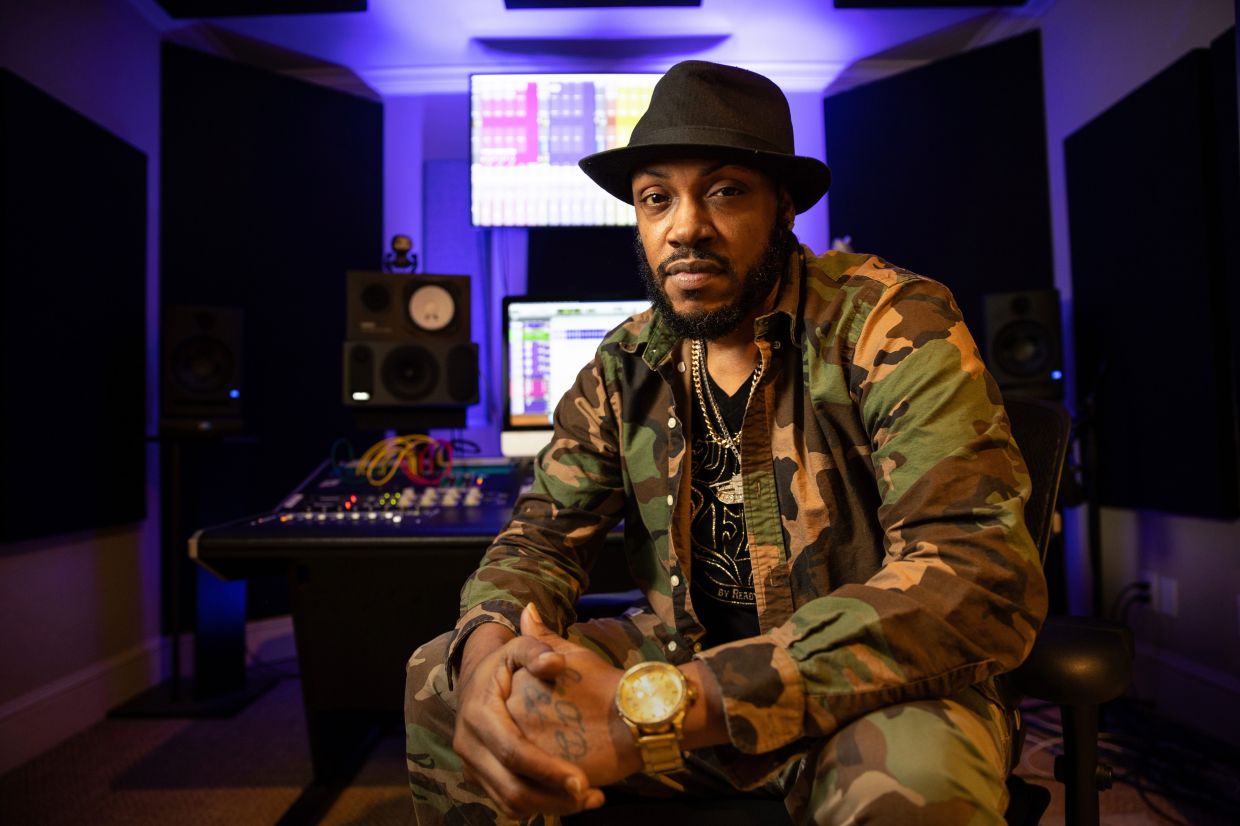
Grammy-nominated rapper Mystikal will spend the next two decades behind bars after being sentenced to 20 years in prison for raping a woman at his Louisiana residence in 2022. The sentencing, handed down on Tuesday, represents a significant milestone in a legal case that has haunted the entertainment industry and raised fresh questions about accountability for high-profile offenders.
Mystikal, whose real name is Michael Lawrence Tyler, entered a guilty plea to third-degree rape in March as part of a negotiated plea agreement. The arrangement capped his sentence at 20 years—five years below the maximum penalty for the crime—while simultaneously eliminating the initial first-degree rape charge, which would have carried an automatic life sentence upon conviction. This plea deal structure illustrates the complex calculations that often define sexual assault cases in the American legal system, where prosecutors and defence teams balance evidentiary strength against potential trial outcomes.
The path to sentencing proved unexpectedly turbulent when Mystikal filed a motion days before his hearing requesting that the court withdraw his guilty plea. According to reporting from ABC affiliate WBRZ, the rapper claimed he "did not have sufficient opportunity to fully consider the consequences" of his admission. This last-minute reversal, however, did not persuade the judge to overturn the agreement, allowing the sentencing to proceed as scheduled.
The victim's account of the assault provided the emotional centre of the courtroom proceedings. She testified that Mystikal subjected her to a harrowing attack at his home in Prairieville, located approximately 18 miles outside Baton Rouge, that included punching, choking, and hair-pulling before the rape. Her request to the court was unambiguous—she sought the maximum possible sentence, a plea that underscored the severity of the trauma inflicted. In a moment captured by local television, the rapper appeared to acknowledge the gravity of his actions, reportedly telling the victim: "If I did that to you, I deserve the max sentence."
This conviction represents the second major sexual assault conviction in Mystikal's history, a pattern that complicates his legacy in hip-hop. In 2003, exactly two decades ago, he pleaded guilty to sexual battery and served six years in prison for that offence. That same year, despite the criminal conviction, he received Grammy nominations in two categories, including best rap album. The repeated nature of these convictions raises disturbing questions about the cyclical nature of sexual violence and the degree to which significant punishment genuinely deters future offences.
Mystikal's arrest in 2022 resulted in his immediate detention at Ascension Parish Jail without the possibility of bail, where he has remained since that time. The extended period in custody prior to sentencing—typical in serious felony cases—ensured that the defendant could not flee or pose further danger to the community while the legal process unfolded.
The rapper rose to national prominence during the 1990s and achieved commercial peak around the turn of the millennium with chart-dominating hits that epitomised the bounce and energy of that era's hip-hop sound. His musical success, however, has been permanently shadowed by these criminal allegations and convictions, transforming what might have been a thriving entertainment career into a cautionary narrative about power, fame, and the violation of consent.
For Malaysian and Southeast Asian readers following international entertainment news, this case resonates beyond mere celebrity gossip. It reflects ongoing global conversations about how the entertainment industry handles sexual misconduct allegations and whether fame and commercial success can insulate public figures from serious consequences. The sentencing demonstrates that even established artists with significant cultural influence face real accountability when serious crimes are proven in court, though the two-decade gap between his first and second convictions raises sobering questions about rehabilitation and the effectiveness of the criminal justice system.
Mystikal's legal team has not publicly commented on the sentencing outcome or indicated whether an appeal is planned. The case effectively closes a chapter in his professional life, transforming him from a recording artist with Grammy recognition into an inmate serving a substantial prison sentence for violent sexual assault.