Kota Kinabalu's hosting of National Unity Week 2026 has resulted in a landmark attendance figure, drawing 284,448 visitors across the four-day celebration that concluded on June 14. This achievement marks the highest turnout recorded since the national programme was first established in 2023, signalling growing public enthusiasm for initiatives that celebrate Malaysia's multicultural character.
National Unity Minister Datuk Aaron Ago Dagang attributed the exceptional response to Malaysians' deepening recognition of the nation's cultural richness and distinct heritage. According to the Minister, the strong participation demonstrates how citizens increasingly understand that cultural diversity and the preservation of unique identities form the bedrock upon which national strength and social cohesion are built. This shift in public engagement reflects broader societal acceptance of plurality as a foundational strength rather than a challenge.
The Ministry of National Unity has committed to maintaining National Unity Week as an annual fixture on Malaysia's calendar, leveraging its success as a dedicated platform for bringing together people from different ethnic, religious and regional backgrounds. This institutionalisation of the event signals the government's intention to move beyond ad-hoc celebrations towards embedding unity-building into the nation's cultural fabric.
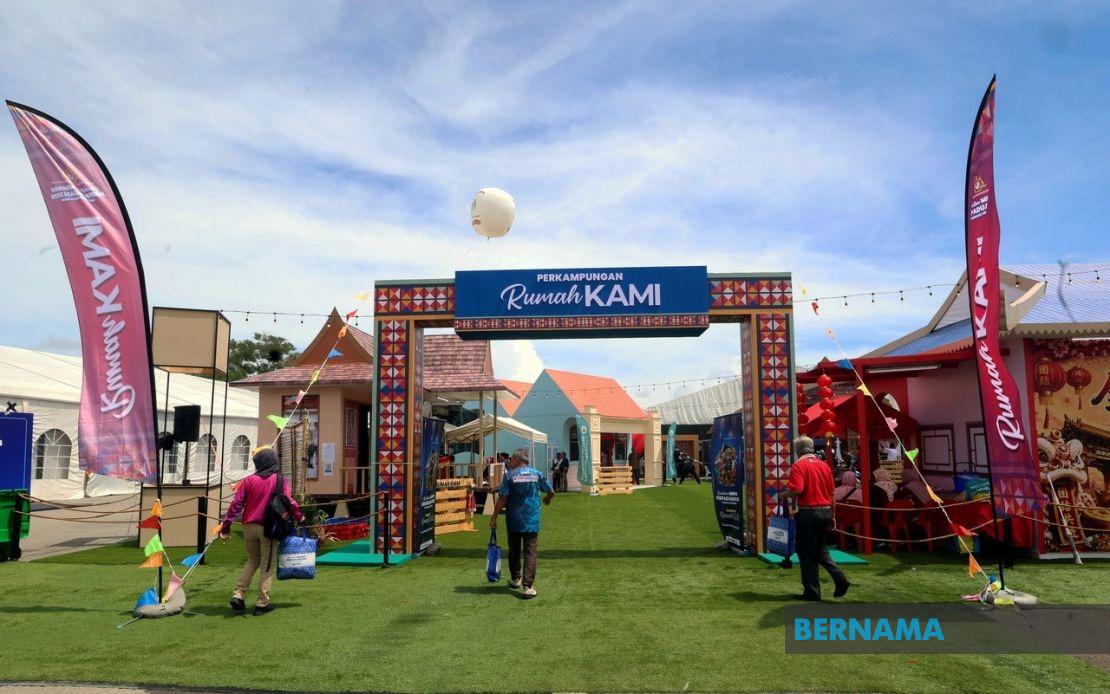
Three exhibition spaces emerged as particularly compelling attractions throughout the four-day event, capturing overwhelming visitor interest and providing insights into how Malaysians wish to engage with their shared identity. The Ethnic Village served as an immersive showcase of daily life across Malaysia's principal communities, allowing visitors to experience authentic aspects of how different groups live, work and maintain cultural practices. By presenting these communities in their lived contexts rather than through static displays, the exhibition resonated deeply with the diverse audience.
Equally popular was the Ethnic Houses section, which dedicated considerable space to exploring the architectural, cultural and heritage distinctions among communities including the Bajau, Melanau, Banjar, Kedayan and Portuguese peoples. This exhibition demonstrated the remarkable architectural and design diversity across Malaysia's ethnic tapestry, highlighting how different groups have developed distinctive housing styles reflecting their geographical origins, climate adaptations and cultural values.
The Negara Bangsa and Raja Kita Exhibition distinguished itself by successfully engaging younger visitors in Malaysia's historical narrative. By framing the nation's journey and the institution of the monarchy in ways that resonated with younger demographics, this section achieved what many heritage initiatives struggle with—making history relevant and compelling to those born well after independence.
Datuk Aaron Ago Dagang emphasised that sustainable national unity cannot emerge from isolated events or temporary programmes, no matter how well-executed. Instead, he stressed that building genuine social cohesion requires sustained commitment across multiple years and generations, with values and appreciation for diversity being continuously transmitted and reinforced within families, schools and communities. This perspective reframes unity not as a destination to be reached through single initiatives but as an ongoing process requiring persistent effort.
The Ministry signalled its intention to expand opportunities and platforms for inter-communal interaction, recognising that mutual understanding develops through repeated, meaningful contact rather than sporadic celebrations. This approach aligns with established research on contact theory, which demonstrates that prejudice diminishes and empathy develops when people from different groups encounter one another in cooperative, informal settings.
The initiative fits within the MADANI Government's broader policy agenda of constructing a united nation through shared vision that transcends conventional divisions of race, religion and geography. By explicitly naming these boundaries as constraints to be overcome rather than fixed realities, the government articulates an aspirational vision of Malaysian identity rooted in common citizenship and shared destiny.
Datuk Aaron Ago Dagang called for comprehensive commitment from all societal actors—government agencies, private sector organisations, civil society groups and individual Malaysians—to realise this vision of harmonious coexistence. This multi-stakeholder framing acknowledges that unity cannot be imposed top-down but requires genuine buy-in and active participation across society's institutions and communities.
For Southeast Asian observers, Malaysia's National Unity Week provides a case study in how plural societies can deliberately invest in celebrating and reinforcing their diversity. As many regional nations navigate questions of identity, belonging and social cohesion amid rapid modernisation and migration, Malaysia's programmatic approach offers both lessons and cautionary notes about the possibilities and limitations of state-sponsored unity initiatives.
The record attendance suggests that Malaysians possess genuine appetite for experiencing their nation's cultural plurality in celebratory, non-threatening contexts. Whether this public engagement translates into sustained changes in attitudes, deepened personal relationships across communities, or more inclusive civic participation remains an important question for researchers and policymakers to examine in the coming years.