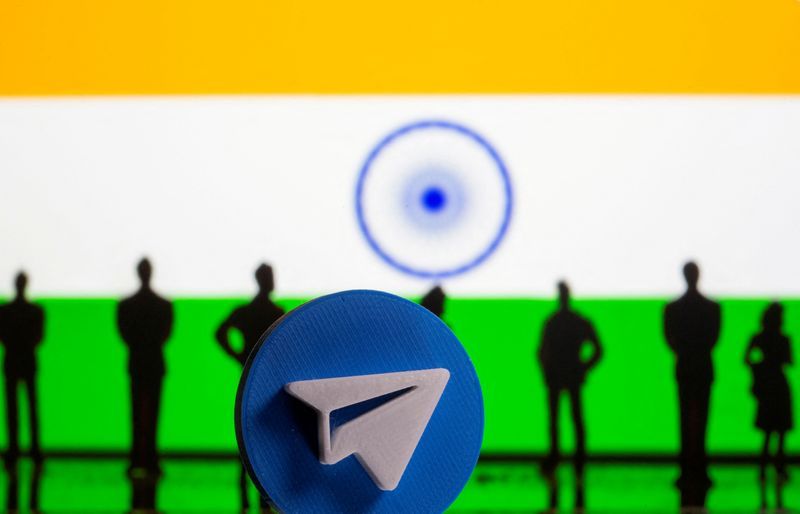
A New Delhi court has dealt a significant blow to Telegram's attempts to restore service in India, rejecting the messaging platform's legal challenge to a temporary ban imposed just days before the country's high-stakes national undergraduate medical entrance examination. Delhi High Court judge Tejas Karia ruled on Friday that the government's decision to block the app was procedurally sound and grounded in reasonable concerns, clearing the way for restrictions to remain in place through June 22.
The ban represents an extraordinary intervention by Indian authorities in response to escalating concerns about leaked examination materials being hawked through Telegram channels. India's IT ministry implemented the unprecedented measure this week after discovering that various channels on the platform were openly advertising allegedly stolen medical entrance exam questions for sale. The government determined that even if some of these offerings proved fraudulent, they would still deceive examination candidates and undermine the integrity of a crucial national assessment.
The timing of the blockade is particularly dramatic given the educational stakes involved. India is preparing to conduct its national undergraduate medical entrance exam on Sunday, merely one month after the government was forced to cancel and invalidate the results of the same examination over allegations that questions had been leaked in advance. This earlier scandal prompted widespread public outcry and calls for stronger action to prevent a recurrence, placing intense pressure on authorities to demonstrate decisive intervention.
The implementation of the ban showcased the rapid coordination possible between Indian regulators and major technology companies. Within hours of the IT ministry's directive, major Indian telecommunications companies moved to block access to Telegram, while both Google and Apple removed the application from their respective app stores. This synchronized action effectively rendered the platform inaccessible to most of India's massive user base, creating one of the highest-profile confrontations between a global technology firm and the Indian state in recent memory.
Telegram's position in the Indian market makes the dispute particularly consequential. The messaging application boasts more than 150 million users in India, which represents its largest single market globally. Founder Pavel Durov has publicly condemned the ban as counterproductive, arguing that blocking the entire platform punishes millions of legitimate users while failing to address the underlying problem, as examination fraud networks have simply migrated to alternative channels and platforms. His criticism highlights the broader tension between blunt regulatory instruments and targeted enforcement.
The path to Friday's court decision was marked by escalating tensions between the platform and Indian officials. In the days preceding the ban, both sides engaged in confidential discussions that deteriorated significantly, with the government accusing Telegram of insufficient responsiveness in removing accounts offering purported examination materials. Indian authorities contended that the platform had not been proactive enough in identifying and eliminating problematic content before it could cause harm.
Telegram disputed this characterization in its court filings, characterizing the government's account of their interactions as "one-sided and inaccurate" and suggesting that officials had deliberately omitted details of the platform's established content moderation procedures. The company pointed to specific enforcement actions, noting that it had removed over 900 links associated with unlawful examination-related content, demonstrating tangible efforts to combat the problem.
For Malaysian readers and other Southeast Asian observers, the Telegram ban illustrates the growing willingness of major democracies in the region to employ blunt regulatory tools against technology platforms, even those with enormous user bases. The case reflects broader tensions between platforms' global operating models and national authorities' demands for localized compliance and accountability. India's action, though temporary, demonstrates that even companies with massive user populations in a jurisdiction cannot rely on scale to resist state intervention when political will and public concern align.
The rejection of Telegram's appeal also signals that Indian courts are increasingly deferential to executive determinations about national security and public welfare threats, particularly when governments frame technology policy decisions in procedural and constitutional terms. Judge Karia's ruling accepted the government's framing that the ban followed proper legal procedure, suggesting courts may provide limited scrutiny of such decisions even when they dramatically restrict access to communication tools that billions rely upon.
The examination fraud issue underlying the dispute touches on broader anxieties across South and Southeast Asia about educational integrity and the weaponization of technology to undermine credentialing systems. Medical entrance examinations carry enormous significance for students' career trajectories and for healthcare workforce development, making their integrity a matter of national concern that resonates far beyond individual test-takers.
As the June 22 expiration date approaches, the question of whether India will lift the ban or seek to extend it remains unresolved. The government's success in defending the measure in court and the continued examination security concerns may incline authorities toward extension, though such action would likely trigger fresh legal challenges and international pressure from technology advocacy groups. The outcome will have implications not only for Telegram's 150 million Indian users but for how other governments in the region approach regulating foreign technology platforms during periods of perceived crisis.