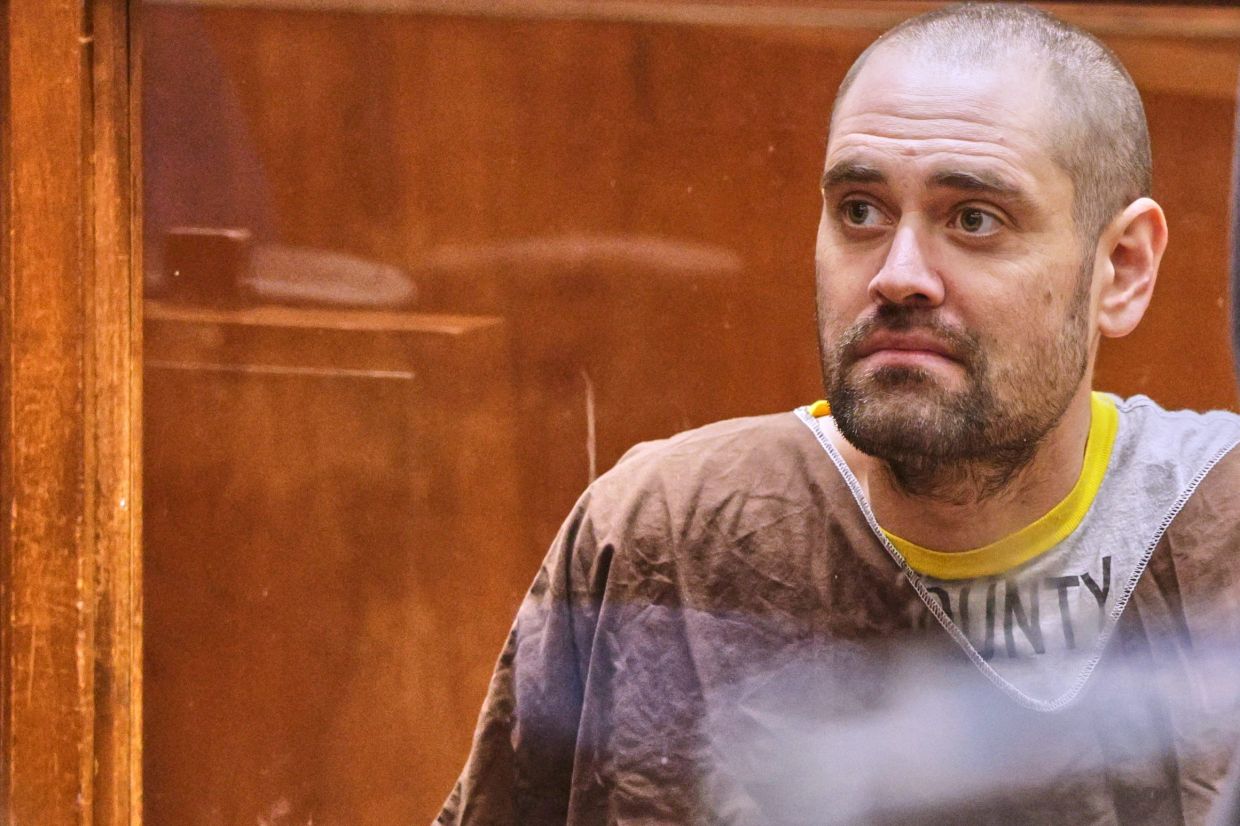
Nick Reiner, the 32-year-old son of acclaimed film director Rob Reiner, has filed a petition in Los Angeles County court seeking immediate access to money from a family trust established by his parents. He argues that the funds are essential to mount a proper legal defence against murder charges stemming from the December 14 deaths of his parents, filmmaker Rob Reiner and photographer Michele Singer Reiner, who were fatally stabbed in their Brentwood home.
The petition, submitted on Monday through Reiner's civil legal team, contends that trustees managing the trust have unlawfully denied him access to his lawful inheritance without valid justification. The filing emphasises that the question of his guilt or innocence in the criminal matter should be separate from his entitlement to use his own resources for legal representation. According to the petition, Reiner maintains his presumption of innocence and, like any accused person, deserves the opportunity to mount a comprehensive defence using assets that legally belong to him.
The circumstances surrounding the case have drawn significant attention within legal and entertainment circles. Rob Reiner, a prolific and celebrated director whose filmography spans decades, and his wife Michele, a photographer and producer, were discovered murdered in their home on the date mentioned above. Nick Reiner was arrested within hours of the discovery and has since entered a plea of not guilty to two counts of murder. The case remains eligible for capital prosecution, though the Los Angeles District Attorney Nathan Hochman has indicated that a decision on whether to pursue the death penalty has not yet been made.
The legal representation situation has become complicated by financial constraints. Reiner initially retained Alan Jackson, a prominent defence attorney, but Jackson withdrew from the case less than a month into the engagement, citing reasons he could not publicly disclose. Court filings now reveal that Reiner's siblings, Jake and Romy Reiner, had initially agreed to cover Jackson's substantial legal fees but subsequently reversed their decision. This reversal has left Nick Reiner without representation at a critical juncture in the proceedings.
In a declaration accompanying the petition, Jackson stated that his firm remains prepared to resume representation of Reiner should funding become available. This conditional commitment underscores the financial barrier that has effectively prevented the defendant from accessing experienced legal counsel—a situation with profound implications for the conduct of his defence and his ability to challenge prosecution evidence effectively.
The disputed trust was established in 1993 by Rob and Michele Reiner specifically for Nick, separate from the larger family trust that is not at issue in this petition. The trust documents contain explicit instructions that Nick should receive half of the accumulated assets upon turning 30 and the remainder at age 35. However, the petition alleges that Nick never received the funds due at age 30, and that Paul R. Kanin, the attorney serving as trustee since February, has offered a series of shifting rationales to justify withholding the money. The petition characterises these justifications as lacking legal foundation, particularly claims about Reiner's competence that bear no relevance to a distribution that is mandatory under the trust's clear terms.
The financial stakes are substantial. The trust is believed to contain at least 1.5 million dollars in assets, though Kanin has refused to disclose the precise valuation. Reiner argues that he is entitled not only to the funds due at age 30 but also to the age-35 distribution on an immediate basis, given both the mandatory nature of the original payments and the urgent necessity of funding his defence. Additionally, he contends that access to these resources is essential for meeting basic living expenses while incarcerated.
The broader context of this case illustrates tensions that can emerge within families facing extraordinary circumstances. Jake Reiner, Nick's brother, provided a detailed public account in April describing the psychological toll of simultaneously grieving the loss of both parents and confronting the reality of a sibling accused of their murders. He characterised the experience as "a living nightmare" that exceeds normal comprehension, offering a window into the profound disruption the killings have caused the family unit.
The criminal proceedings themselves are advancing slowly through the judicial system. Nick Reiner is scheduled to return to court for a pretrial hearing in September, more than eight months after the initial charges were filed. The slow progression reflects the complexity of murder cases and the procedural steps required before trial. Notably, authorities have maintained strict confidentiality regarding potential motives and evidence details, with a court order keeping most autopsy findings sealed from public view. This information vacuum has left fundamental questions about the circumstances of the deaths largely unanswered in public discourse.
The trust petition raises important questions about the intersection of civil and criminal law, specifically whether a defendant's access to inherited resources should be restricted based on pending criminal charges. Legal experts would note that withholding funds explicitly designated for distribution could interfere with a defendant's Sixth Amendment rights to adequate legal representation. Kanin's office has not yet responded to requests for comment on the trustee's rationale for continued fund denial.
For Malaysia and the Southeast Asian region, this case offers instructive lessons about high-profile criminal proceedings and family dynamics under extreme stress. While homicide cases differ across jurisdictions, the fundamental principle that accused persons require adequate resources for legal defence remains universal. The trust dispute also highlights how property law and criminal procedure can intersect in ways that disadvantage defendants, particularly when family members disagree about financial support. As the case progresses toward trial, the outcome of this trust petition may significantly influence Nick Reiner's ability to mount an effective defence and his overall legal position in the capital murder proceedings.