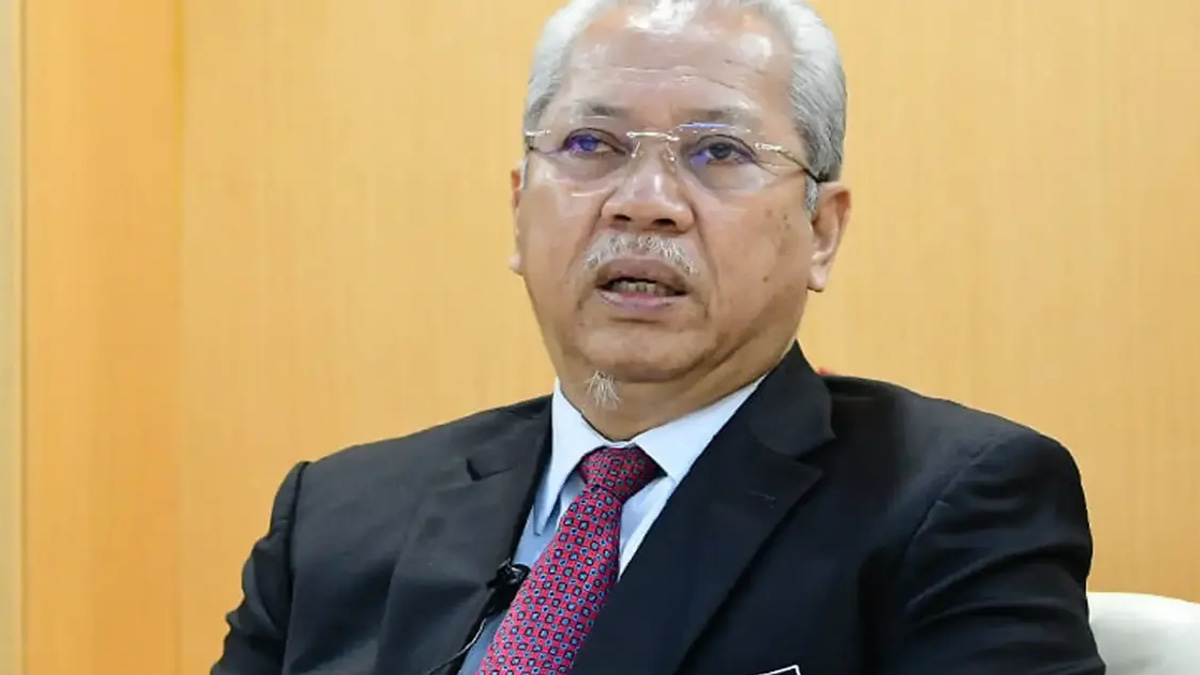
A 16-year-old Form Four student died at a secondary school in Seremban on June 19, prompting immediate investigations into the circumstances surrounding the tragedy. Education Director-General Datuk Dr Mohd Azam Ahmad addressed the incident after meeting with the student's family at Rembau Hospital, bringing alongside him Negeri Sembilan Menteri Besar Datuk Seri Aminuddin Harun and Education Minister Fadhlina Sidek. The presence of such high-level officials underscores the gravity with which authorities are treating the case, signalling a comprehensive response to what appears to be an unexpected loss within the education system.
In his initial assessment, Mohd Azam indicated that no signs of bullying have emerged from conversations with the deceased's parents and preliminary inquiries. This early finding carries particular significance in Malaysia, where school bullying has become an increasingly discussed social issue, prompting concern from parents and educators alike. The director-general was deliberate in clarifying that the student appeared to be in good health and was behaving normally when she arrived at school that morning, suggesting no outward indicators of distress or unusual behaviour that might have preceded the incident.
The timeline of events suggests the tragedy unfolded rapidly. The student was reportedly attending an academic reporting day at the school—an occasion designed for parents to receive updates on their children's educational progress and achievements. Notably, the victim's father was present at the school during this event. At some point during the morning, the student asked permission to visit the toilet, after which she was found unconscious within the school compound. Negeri Sembilan police received notification at 10.48 am and immediately classified the case as a sudden death report.
Authorities have emphasised that medical history has not been established as a contributing factor thus far. Mohd Azam stated that no information currently available indicates the student had any pre-existing medical condition, though the forensic investigation is ongoing. This absence of documented health issues adds to the unexpectedness of the incident and highlights why thorough examinations by the state education department and school authorities have been mandated. Understanding what happened requires comprehensive investigation involving multiple agencies and expert examination.
The police investigation is proceeding methodically, with officers recording statements from witnesses and awaiting results from the post-mortem examination. These standard procedures are essential in establishing facts and ruling out potential causes. For Malaysian schools and education stakeholders, such incidents raise important questions about student welfare systems, emergency response protocols, and the pastoral care structures that schools maintain. The education sector operates under pressure to ensure student safety while maintaining an environment conducive to learning.
Ministry officials have been proactive in addressing the emotional aftermath. The Education Ministry has committed to providing psychosocial support to family members, classmates, and teachers affected by the incident. Such intervention is crucial in school communities where students and staff may experience trauma following a peer's death. The availability of counselling and mental health resources can significantly impact how a school community processes and recovers from tragedy. This support framework reflects contemporary understanding of how sudden losses affect school environments and the importance of structured emotional assistance.
In a statement emphasising privacy and dignity, Mohd Azam urged the public to refrain from sharing photographs or recordings related to the case. This appeal acknowledges the real harm that can result from the rapid spread of sensitive content on social media and messaging platforms. In an era where information travels instantly and widely, families grieving such losses face additional strain when personal tragedy becomes public spectacle. The ministry's request demonstrates awareness of how digital sharing can compound suffering during an already devastating time.
The incident raises broader considerations for Malaysian educational institutions about emergency preparedness and first-response protocols. Schools must be equipped not only to manage day-to-day operations but to respond effectively to medical emergencies. The fact that the student was found unconscious on the school premises suggests that emergency response systems were activated, though questions about response times and available medical support at schools remain pertinent issues for the education sector to address systematically.
For parents across Malaysia, incidents like this inevitably prompt reflection on whether their children are safe at school. While bullying has been a documented concern in Malaysian schools, sudden medical incidents remind communities that student wellbeing encompasses multiple dimensions. Schools must balance creating supportive social environments with ensuring adequate health and safety infrastructure. The Education Ministry's directive for thorough examination of this case may yield recommendations that strengthen school safety protocols across the country.
The involvement of senior government figures, including the education minister and state menteri besar, indicates that this case will receive sustained attention from the highest levels. This political engagement can facilitate resource allocation and policy responses, should the investigation reveal systemic gaps in school safety or student welfare. For Malaysian education administrators, the case serves as a reminder of the multifaceted responsibilities schools bear in safeguarding students under their care.