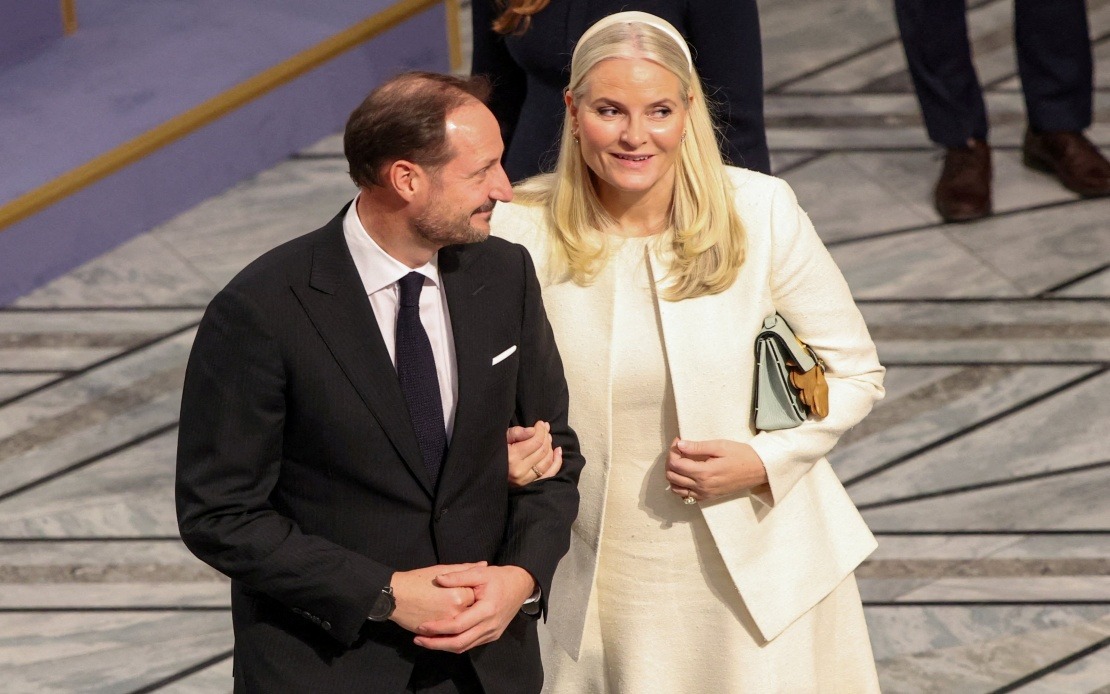
Crown Princess Mette-Marit of Norway has undergone a successful lung transplant, marking a significant medical milestone for the 52-year-old royal who has endured years of progressive respiratory decline. The Royal Palace in Oslo confirmed the completion of the procedure this week, providing welcome news to a nation that had closely followed her health challenges and the broader implications for organ donation awareness in Scandinavia.
Mette-Marit's journey with pulmonary fibrosis, an incurable lung disease characterised by progressive scarring of lung tissue, has fundamentally altered her daily life over recent years. The condition causes the lung tissue to become thick and stiff, severely limiting oxygen absorption and making even routine activities taxing for those affected. Her reliance on portable oxygen support during public engagements and private moments had become increasingly visible, underscoring the degenerative nature of the illness and the mounting challenges faced by the wife of Crown Prince Haakon.
The Royal Palace announced on June 5 that Mette-Marit had been formally placed on the transplant waiting list, a decision that reflected the critical stage her condition had reached. Medical criteria for lung transplant candidacy are stringent, with patients typically eligible only when their life expectancy without intervention is estimated at approximately one year. This threshold ensures that organs are allocated to those in greatest need while maximising the potential benefit of the transplant. For Mette-Marit, placement on the list represented both a last hope and an acknowledgement that conventional treatments could no longer manage her progressive decline.
What emerges as a remarkable secondary development is the surge in organ donor registrations that followed the palace's public announcement. Norway's Organ Donation Foundation reported a dramatic rise in citizens coming forward to register as potential donors, a phenomenon that reflects how high-profile health circumstances involving royal figures can mobilise public consciousness around medical necessity. This ripple effect demonstrates that transparent communication about organ scarcity, coupled with a sympathetic narrative, can drive meaningful behavioural change in donation rates—a lesson with significant implications for Southeast Asian nations grappling with chronic organ shortages.
The timing of Mette-Marit's successful transplant, occurring just weeks after her listing, suggests either exceptional fortune in matching compatible donors or a possible acceleration in the donation process catalysed by heightened public engagement. Either way, the outcome underscores the critical importance of robust organ procurement systems and the life-or-death stakes involved when transplant candidates wait for suitable organs. In Norway, as in most developed nations, the gap between those needing organs and those willing to donate remains a persistent challenge, though one that can be narrowed through sustained public awareness and streamlined legislative frameworks.
Pulmonary fibrosis itself deserves closer attention, as it represents a category of irreversible lung diseases that are increasingly diagnosed globally. The condition can develop idiopathically—without any identifiable cause—or secondarily following exposure to environmental hazards, autoimmune processes, or viral infections. For patients like Mette-Marit, the psychological burden of an incurable diagnosis compounds the physical toll, as the reality of progressive limitation forces individuals to confront mortality and medical dependency. Lung transplantation, while offering hope, carries its own risks and requires lifelong immunosuppressive medication, meaning Mette-Marit's recovery will demand vigilant medical management far beyond the surgery itself.
The Norwegian case also illuminates the infrastructure required to support transplant programmes at a national level. Successful outcomes depend not only on surgical excellence but also on sophisticated organ procurement networks, histocompatibility testing laboratories, intensive care facilities, and long-term follow-up care systems. Norway, as a wealthy Nordic nation with advanced healthcare infrastructure, represents a model that Southeast Asian countries aspire toward, though resource constraints in the region mean that replicating such systems remains a generational challenge. The contrast highlights disparities in healthcare access and the geographic lottery that determines whether patients in different parts of the world receive life-saving interventions.
Mette-Marit's transplant also carries symbolic weight within Norwegian society and the broader Scandinavian context. The royal family's willingness to share details of her condition and treatment trajectory has humanised the experience of serious illness, stripping away the mystique that traditionally surrounded royal health matters. This transparency may encourage other transplant candidates to pursue listing and treatment rather than accepting decline as inevitable, while simultaneously normalising organ donation as an act of profound civic contribution. The shift from silence to openness reflects changing attitudes toward disability, chronic illness, and the role of medical technology in extending both the quantity and quality of life.
Looking forward, Mette-Marit's recovery will be closely monitored not merely out of concern for her personal wellbeing, but because her case will inform public understanding of transplant outcomes and post-operative quality of life. If her rehabilitation progresses favourably and she is able to gradually resume duties and activities, the narrative of successful recovery may further cement public support for organ donation programmes. Conversely, any complications would provide sobering context about the real-world challenges of transplantation, reminding both patients and physicians that surgery is only the beginning of a long and uncertain journey.