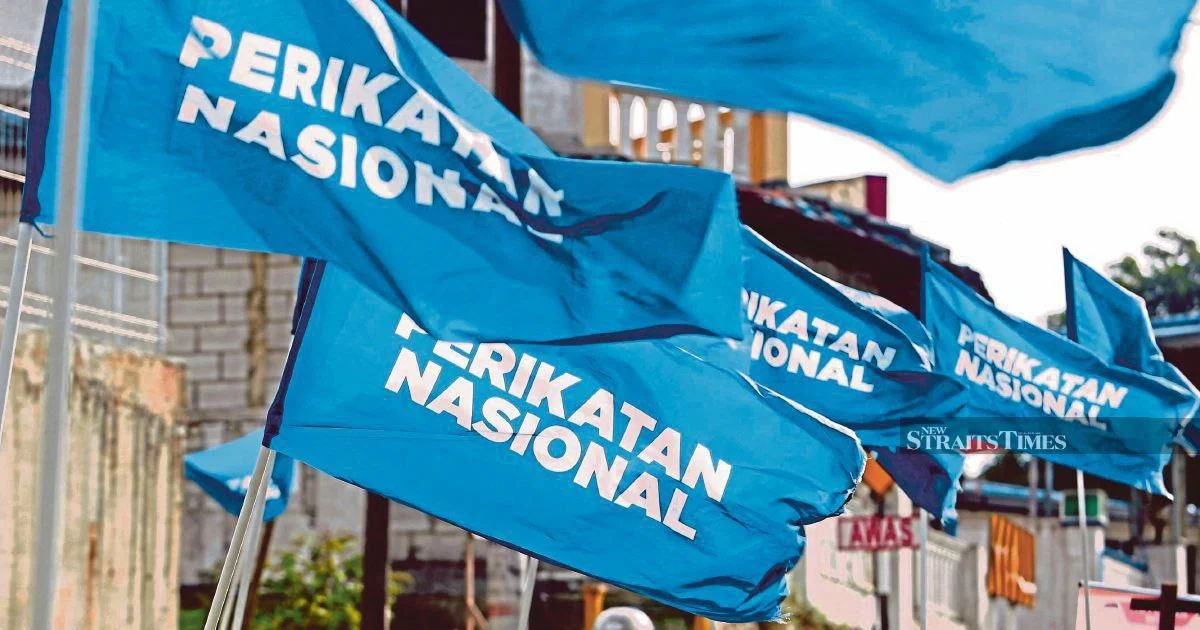
The fragile unity underpinning Malaysia's Perikatan Nasional coalition continues to fracture as Pas leadership openly questioned whether Bersatu possesses the authority to use the alliance's official insignia in forthcoming elections in Johor and Negri Sembilan. The dispute, surfacing in Kota Baru, represents the latest episode in an increasingly acrimonious relationship between the two major components of a political partnership that has appeared increasingly strained over matters of protocol and organisational governance.
Pas representatives deliberately raised the matter of logo authorisation at a time when both states prepare for electoral contests, suggesting the disagreement carries practical implications for campaign operations. The timing indicates that questions over symbolism mask deeper concerns about who holds genuine decision-making authority within the coalition structure. Rather than viewing such disputes as mere procedural quibbles, observers recognise them as proxies for broader tensions regarding resource allocation, campaign strategy, and political influence within Perikatan Nasional's leadership hierarchy.
The assertion that only the coalition chairman possesses legitimate authority to grant permission for logo deployment reflects a strict interpretation of the alliance's formal governance protocols. This position establishes a clear hierarchical framework designed to prevent individual component parties from unilaterally deploying collective symbols without proper oversight. For Pas, reinforcing such boundaries becomes essential to maintaining organisational discipline and preventing what party leaders evidently perceive as overreach by Bersatu, a relative newcomer to the coalition compared to Pas's deeper historical roots and established grassroots networks.
Bersatu's apparent willingness to utilise the coalition logo suggests the party interprets its standing within Perikatan Nasional differently, potentially viewing the insignia as available for deployment by major coalition members during electoral campaigns. This divergence in interpretation indicates the coalition lacks robust consensus regarding internal decision-making protocols and the circumstances under which shared symbols may be deployed. Such ambiguity creates opportunities for disputes precisely when parties need maximum unity and coordination to contest elections effectively.
The Johor and Negri Sembilan elections represent significant electoral contests with implications extending beyond state-level politics. Success in these states would strengthen whichever coalition commands greater electoral presence, making the symbol stakes considerably higher than mere branding concerns. Control over campaign imagery, messaging consistency, and public representation through official logos influences voter perception and campaign momentum. Consequently, determining who authorises such usage involves substantive questions about political authority and coalition strategy, not merely administrative formality.
For Pas, particularly influential within Perikatan Nasional through its substantial parliamentary representation and grassroots capacity, reasserting control over logo deployment serves multiple strategic purposes. The move reinforces the party's seniority within the alliance while constraining Bersatu's independent campaign autonomy. It also signals to the coalition's broader membership that Pas remains attentive to governance matters and protective of institutional structures. Such assertions of procedural authority become especially important when underlying political relationships appear strained.
Bersatu's position reflects its status as a newer entrant to the coalition and its ambitions to expand electoral influence beyond its current territorial strongholds. The party's willingness to deploy shared coalition symbols suggests confidence in its political standing and perhaps impatience with hierarchical restrictions on campaign activities. This tension between an established party protecting institutional prerogatives and an emerging force seeking greater operational freedom represents a common pattern within multi-party coalitions attempting to maintain coherent political platforms despite competing organisational interests.
The broader context of Perikatan Nasional's viability depends significantly on managing such internal disputes before they escalate into complete breakdown of coalition discipline. Malaysian political history provides numerous examples of alliances dissolving when procedural disputes metastasize into fundamental questions of legitimacy and mutual respect. The coalition's ability to present unified campaigns in Johor and Negri Sembilan depends on resolving logo authorisation controversies quickly and establishing clear protocols preventing future disagreements.
Beyond immediate electoral implications, these disputes carry consequences for Malaysia's political architecture and coalition stability more broadly. Perikatan Nasional represents one major organisational force in Malaysia's competitive political landscape, and internal weaknesses affect its capacity to provide coherent alternatives to established governing coalitions. Regional observers in Southeast Asia frequently examine Malaysian coalition dynamics as indicators of democratic resilience and institutional maturity, making such governance disputes worthy of serious attention.
Resolving the logo authorisation question requires both Pas and Bersatu to engage substantively with underlying governance frameworks and mutual expectations. Clarifying decision-making authority, establishing transparent protocols for logo deployment, and building consensus around coalition operational procedures would address immediate tensions while strengthening the alliance's institutional foundations. Without such clarification, similar disputes will likely recur during subsequent electoral campaigns, progressively weakening coalition cohesion.
The Johor and Negri Sembilan electoral contests provide both parties opportunities to demonstrate that operational disagreements need not undermine campaign effectiveness. How Pas and Bersatu navigate this logo controversy will communicate important signals regarding the coalition's maturity, institutional capacity, and genuine commitment to unified political action. The forthcoming weeks will reveal whether these organisations can subordinate immediate point-scoring to sustained alliance interests.