India's medical school entrance examination, one of the country's most gruelling academic hurdles, has become a focal point of national controversy as more than 2 million candidates prepare to retake the test on June 21, facing an ordeal made doubly difficult by circumstances entirely beyond their control. The National Eligibility cum Entrance Test, commonly known as NEET, initially administered on May 3, yielded results that authorities subsequently invalidated following widespread allegations that the question paper had been compromised through unauthorised advance distribution across social media networks. For students who have devoted years to rigorous preparation, the prospect of repeating an examination of such intensity and consequence has created a psychological burden that extends far beyond the typical anxiety associated with high-stakes testing.
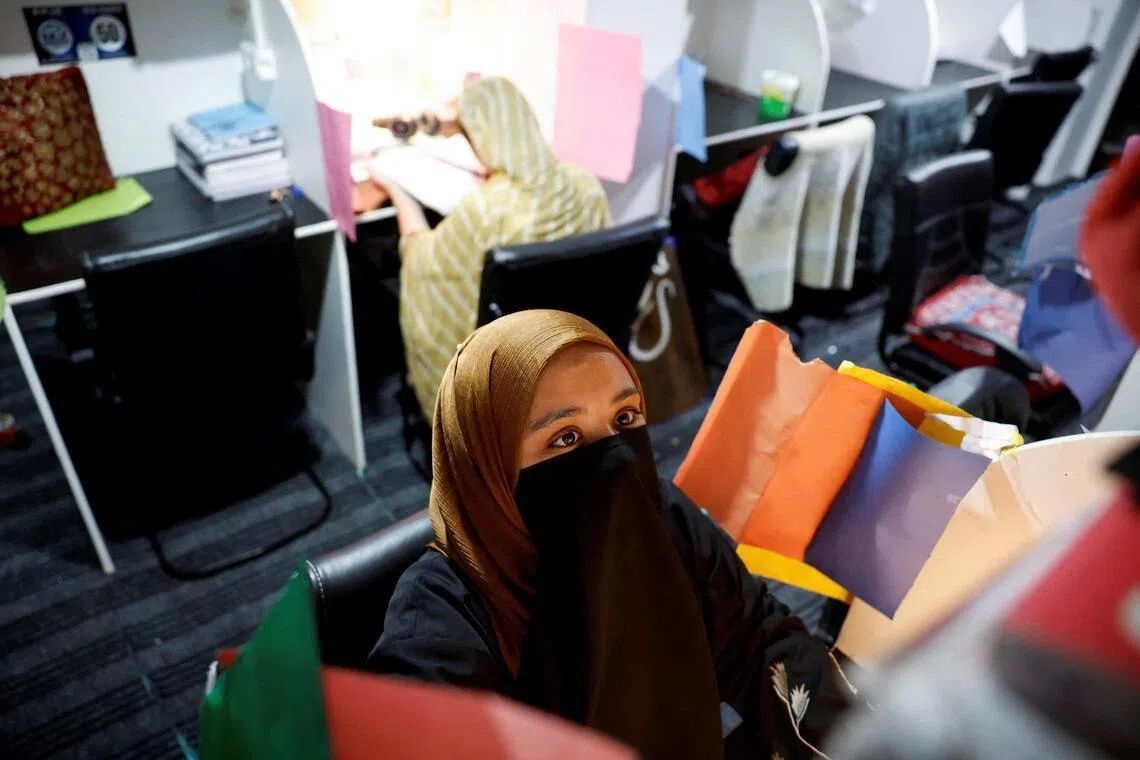
The stakes for these candidates could hardly be more consequential. With only 5 to 6 per cent of NEET takers securing coveted positions at medical institutions, competition for places remains ferociously intense, and the examination represents a singular opportunity for most aspirants. The leak scandal transformed what should have been a definitive moment of academic achievement into a frustration compounded by institutional failure and organisational breakdown. Students across India have articulated their anguish in terms that speak to the psychological toll of this situation. Alima Javed, a 20-year-old from Srinagar who will retake the examination, encapsulated the widespread sense of betrayal and exhaustion, describing how the mental demands of the exam itself, combined with years of preparation, have been amplified by circumstances entirely outside student control. Her remarks resonate across a nation where education remains deeply intertwined with family aspirations and economic mobility.
The controversy has transcended the examination hall and morphed into a significant political and social crisis. Hundreds of students have participated in demonstrations across New Delhi and numerous other Indian cities, giving the scandal a public profile that has become increasingly uncomfortable for Prime Minister Narendra Modi's government. Student mobilisation around educational grievances carries particular weight in Indian politics, as young voters represent an influential constituency whose concerns can rapidly escalate into broader discontent with government performance. The education sector, despite its apparent technical focus, has proven to be politically sensitive terrain, forcing the administration to respond with visible measures demonstrating commitment to resolving the crisis and restoring confidence in institutional integrity.
The human cost of the scandal remains difficult to quantify precisely, yet deeply troubling. While media outlets and opposition politicians have referenced student suicides linked to the scandal's fallout, verifying such claims presents genuine methodological challenges, particularly given the sensitive nature of such incidents and varying reporting standards across Indian states. Nevertheless, the psychological distress among candidates is unquestionably real and widespread. Some students, including 20-year-old Aliya Jalaal, have found themselves compelled to seek psychiatric intervention to manage the anxiety triggered by the retake requirement. The case illustrates how institutional failures can transmute into genuine mental health crises affecting vulnerable young people navigating an already high-pressure educational environment.
Education Minister Dharmendra Pradhan has sought to reassure an anxious student population by promising that authorities will implement a retake characterised by scrupulous fairness and complete transparency in all procedures. These assurances, while necessary, carry limited immediate weight given the credibility damage resulting from the initial security breach. The government's credibility on examination integrity has been directly undermined, requiring not merely verbal pledges but demonstrable, visible security enhancements that leave no doubt regarding the steps taken to prevent recurrence. For students already emotionally depleted by their initial examination attempt, such promises alone provide little concrete reassurance.
Government authorities have adopted a controversial approach to bolstering exam security by implementing a temporary blockade of Telegram, the encrypted messaging application widely used across India. This drastic measure, justified on grounds that the platform's anonymity features and easily recreated channels created vulnerability to coordination of cheating networks, generated immediate pushback from civil liberties advocates and free speech organisations. The ban reveals the government's determination to eliminate perceived security vulnerabilities, yet simultaneously demonstrates the bluntness of its regulatory instruments. When Indian courts ruled on June 19 that the government's actions were legally and procedurally sound, viewing such measures as reasonable within the context of protecting examination integrity, the decision provided legal cover but did nothing to assuage civil liberties concerns or resolve the underlying question of whether such sweeping measures constitute proportionate responses to specific security threats.
The investigation into the examination paper leak has evolved into a multi-agency effort involving various government bodies working to identify how the compromise occurred, trace its origins, and dismantle the networks believed to have profited from distributing advance materials. Investigators have expanded their focus to examine financial transactions connected to suspected cheating operations, seeking to follow the money trail that typically accompanies such schemes. Arrests have already been executed in multiple states, according to statements from government officials, who have simultaneously warned that those convicted of involvement in examination malpractice will face substantially enhanced penalties designed to deter future attempts at compromise.
Beyond apprehending those responsible, the government has announced a comprehensive package of security enhancements intended to render future breaches substantially more difficult to execute. These measures encompass augmented surveillance capabilities at examination centres, more rigorous oversight procedures governing the handling and distribution of question papers, and implementation of digital tracking systems designed to create comprehensive documentation of all paper movement from creation through administration. The layered approach suggests recognition that single-point vulnerabilities enabled the initial breach, requiring systematic hardening of multiple procedural steps. However, the adequacy of these measures remains uncertain; security specialists often observe that determined actors can identify alternative vulnerabilities, particularly when substantial financial incentives motivate circumvention attempts.
Yet despite these governmental responses and announced security improvements, the student community remains unconvinced that meaningful progress has occurred. Many candidates report that the announced measures have generated minimal psychological relief and have done little to reduce the anxiety permeating the student population as examination day approaches. Students who had attained personal satisfaction with their initial examination performance now confront the prospect of repeating the ordeal, with all its attendant uncertainty regarding whether their preparation remains as fresh and effective as during the first attempt. The retake transforms what should have been a concluded chapter into a prolonged period of uncertainty and sustained psychological pressure. For a cohort already demonstrating mental health vulnerabilities related to competitive educational environments, the extended timeline created by the scandal represents an additional burden with measurable human cost that may persist long after the retaken examination concludes.