The Pahang Health Department has opened a formal investigation into allegations that numerous visitors experienced food poisoning after spending time at a scenic river location within a recreational precinct close to Bentong. The probe comes as awareness of foodborne illness risks at popular recreation destinations has grown among Malaysian health authorities and tourism operators alike.
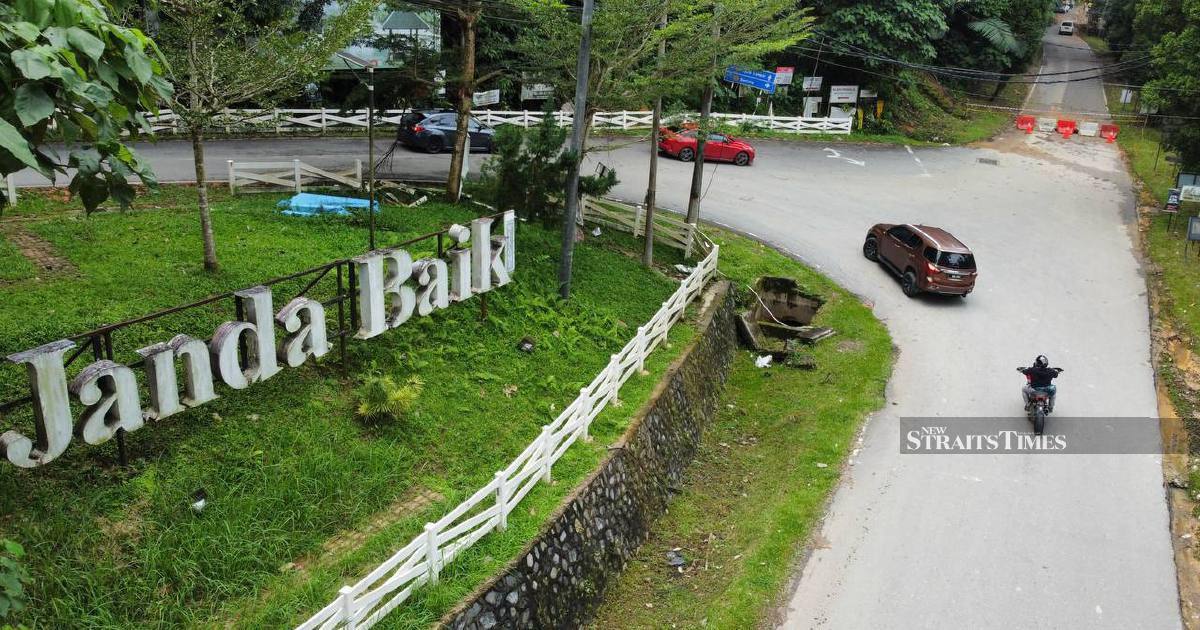
Janda Baik, a well-known hill station destination attracting families and tourists seeking respite from urban heat, has become the focal point of health and safety scrutiny. The river bathing site has traditionally served as a leisure venue, drawing crowds particularly during weekends and school holidays. However, the recent reports of visitors falling ill have prompted authorities to examine possible contamination sources and assess public health protocols at the location.
Foodborne illness outbreaks at recreational areas present a significant challenge for Malaysian public health officials. Such incidents typically stem from multiple potential causes including unsafe food preparation practices at nearby vendors, contaminated water sources, inadequate sanitation facilities, or poor hygiene standards among food handlers operating within the vicinity. The investigation will likely examine all these variables to establish the root cause of the reported illnesses.
The timing of this investigation reflects broader concerns within Malaysia's health sector regarding disease transmission in high-traffic public spaces. Janda Baik's popularity means the recreational area hosts substantial daily visitor volumes, multiplying the potential for rapid disease spread if underlying sanitation or food safety issues remain unaddressed. Authorities must determine whether the illness outbreak represents an isolated incident or signals systemic problems requiring comprehensive remediation.
For Malaysian tourism destinations, particularly those relying on natural attractions and outdoor leisure facilities, food safety incidents carry significant consequences. Negative health reports can damage a location's reputation and deter visitors, impacting the livelihoods of local businesses including food vendors, accommodation providers, and recreational service operators. This creates a delicate balance between transparent public health communication and minimising economic disruption.
The investigation process typically involves epidemiological analysis to identify common exposures among affected individuals. Health officials will interview patients regarding their activities, food consumption, and the timing of symptom onset. They will also conduct environmental sampling of water sources, food preparation areas, and sanitation facilities to identify potential pathogens such as bacteria, viruses, or parasites. This comprehensive approach helps distinguish between food poisoning and other illnesses presenting similar symptoms.
Pahang's health authorities face the challenge of balancing swift investigation with avoiding premature conclusions that might unfairly stigmatise local vendors or discourage legitimate tourism. The investigation's transparency will be crucial for maintaining public confidence in food safety assurances and in the recreational facility itself. Regular communication about investigation progress and preliminary findings can help prevent speculation and misinformation.
This incident underscores the importance of established food safety protocols at popular tourist destinations across Southeast Asia. Many recreational areas in Malaysia, particularly those in rural or semi-developed locations, may lack comprehensive food hygiene enforcement mechanisms. Training programmes for food vendors, regular health inspections, and clear sanitation standards become essential infrastructure for protecting public health.
The proximity of Janda Baik to Bentong, a town with growing tourism infrastructure, makes health and safety issues particularly significant for regional development plans. As more tourists discover these hill station attractions, destination management authorities must invest proactively in health systems rather than responding reactively to crises. This includes water quality monitoring, vendor registration and licensing, and public awareness campaigns about safe food practices.
Beyond the immediate investigation, this situation highlights the need for standardised food safety frameworks across Malaysian recreational facilities. State health departments could benefit from sharing best practices and coordinated approaches to monitoring high-risk venues. Regular training workshops for food handlers, surprise inspections, and customer feedback mechanisms create multiple layers of protection against foodborne illness outbreaks.
The Pahang Health Department's investigation will likely produce recommendations affecting how the Janda Baik site operates moving forward. These may include enhanced vendor oversight, improved water testing protocols, upgraded sanitation facilities, or visitor education initiatives. Implementation of such recommendations will demonstrate authorities' commitment to preventing future incidents.
As the investigation unfolds, stakeholders including local government, tourism operators, and community representatives should engage collaboratively with health authorities. This partnership approach fosters ownership of food safety standards and ensures that remedial measures remain practical and sustainable. Ultimately, protecting visitor health strengthens the destination's long-term viability and reputation.