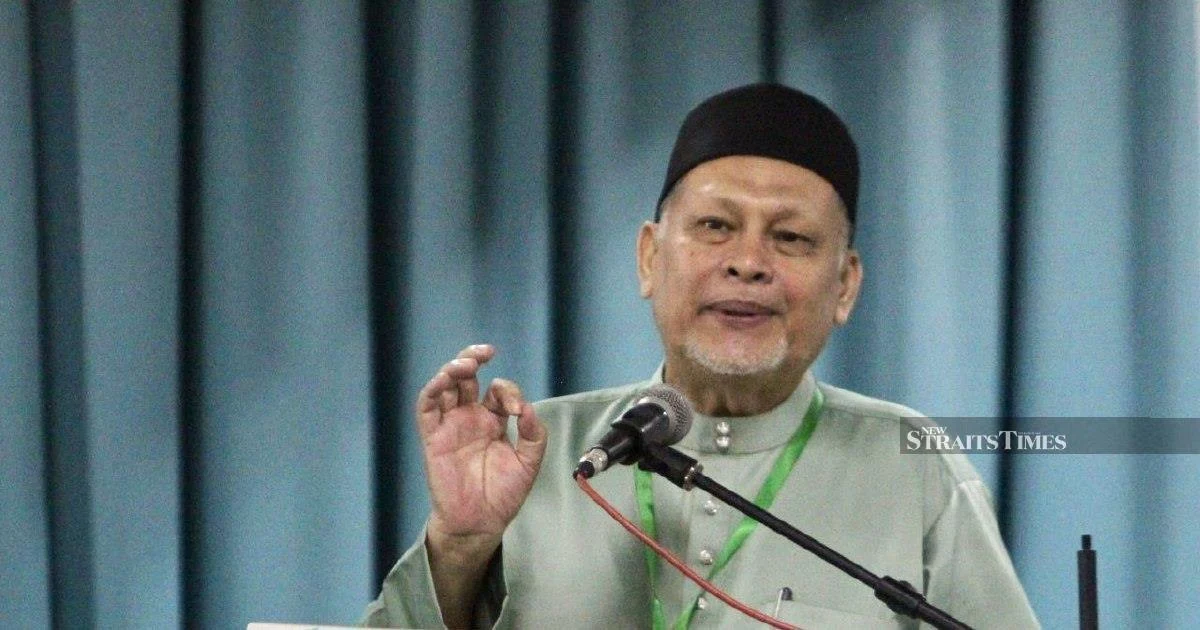
The Islamic party PAS has flagged growing anxiety about the proliferation of new political movements seeking to capture the youth vote in preparation for the sixteenth general election. Speaking in Kota Baru, party officials characterised the phenomenon as a mounting challenge requiring strategic attention and response from the party leadership. The emergence of these new entrants into Malaysia's political landscape represents a shifting dynamic in how established parties compete for demographic segments that have historically proven volatile and difficult to lock down electorally.
Young Malaysian voters have increasingly become a contested battleground among political formations. Over the past decade, demographic trends have produced a voting cohort that is more diverse in its political preferences, more engaged with digital communication channels, and less bound by traditional party loyalties than their predecessors. The concerns raised by PAS reflect a wider recognition across the Malaysian political establishment that retaining traction among voters aged 18 to 40 cannot be assumed through inheritance of support from older generations. Instead, parties must actively compete on platforms and messaging that resonate with contemporary youth priorities.
The specific challenge facing PAS stems from its traditional positioning as a religiously-oriented party. While this identity has secured a committed core base, particularly in states like Kelantan and Terengganu, it potentially limits appeal to younger urban voters who may view political identity through different prisms. New parties entering the field—whether positioning themselves as reform-oriented, socially progressive, or issue-focused—represent direct competition for voters still forming their political identities and deciding which party coalition deserves their support in future elections.
The timing of PAS's warning is significant. Coming in the lead-up to GE16, the party is essentially acknowledging that it needs to recalibrate how it presents itself to younger demographics. This recognition suggests internal discussions about whether existing strategies for youth outreach remain adequate, or whether the party requires new messaging and engagement approaches to counter the appeal of newer political vehicles. For Malaysian political observers, this signals that even parties with deep roots and substantial parliamentary representation feel pressure from emerging competitors.
From a regional Southeast Asian perspective, Malaysia's experience reflects broader patterns visible elsewhere in the region. New political movements frequently emerge by positioning themselves as alternatives to established parties perceived as stale, corrupt, or unresponsive to younger generations' concerns. In neighbouring Indonesia, the Philippines, and Thailand, youth-oriented new parties have periodically disrupted traditional electoral calculus. PAS's concern therefore touches on universal challenges facing legacy political organisations in democracies undergoing generational transition.
The party's stated intention to address this challenge as a priority indicates likely forthcoming adjustments to youth engagement strategies. Such responses might encompass digital communications expansion, reframing of policy positions to appeal to younger voters, or recruitment of younger candidates and spokespeople. How effectively PAS executes these adaptations will substantially influence its capacity to maintain its current parliamentary strength and electoral performance in GE16.
PAS's concerns also highlight the fragmentation occurring within Malaysia's broader political ecosystem. Rather than a stable two or three-coalition system, Malaysian politics increasingly features multiple parties competing simultaneously for specific voter segments. This fragmentation can either serve the interests of larger established parties by splitting opposition votes, or harm them by splintering their own support base. For PAS specifically, the threat appears to be the latter—that new parties might peel away youth supporters who otherwise would have voted for PAS or its coalition partners.
The unease expressed by PAS leadership also reflects competitive dynamics within Malaysia's Islamic political space. While PAS remains the largest Islamic-oriented party by parliamentary representation, it faces ideological and organisational competition from smaller Islamic movements. New parties entering the field might explicitly or implicitly position themselves as more progressive Islamic alternatives, potentially arguing they can represent Muslim interests without the strict interpretive frameworks that characterise PAS's approach. This intramural competition within Islam-focused politics adds complexity to PAS's strategic calculations.
For younger Malaysian voters themselves, the proliferation of new political parties presents both opportunities and challenges. Greater choice potentially enables better representation of diverse youth perspectives and priorities. However, it can also dilute voting power if youth support becomes excessively fragmented across numerous small parties that fail to reach parliamentary thresholds. The net effect on democratic representation therefore remains uncertain and will depend substantially on how many new parties successfully establish themselves before GE16.
The road ahead for PAS involves balancing its core identity and values with genuine responsiveness to younger voters' evolving expectations. This tension between institutional continuity and generational adaptation represents the fundamental challenge the party must navigate. How successfully PAS manages this balancing act will not only determine its own electoral prospects but also provide insights into whether Malaysia's established political parties possess the flexibility required to maintain relevance in an increasingly fragmented electoral environment.