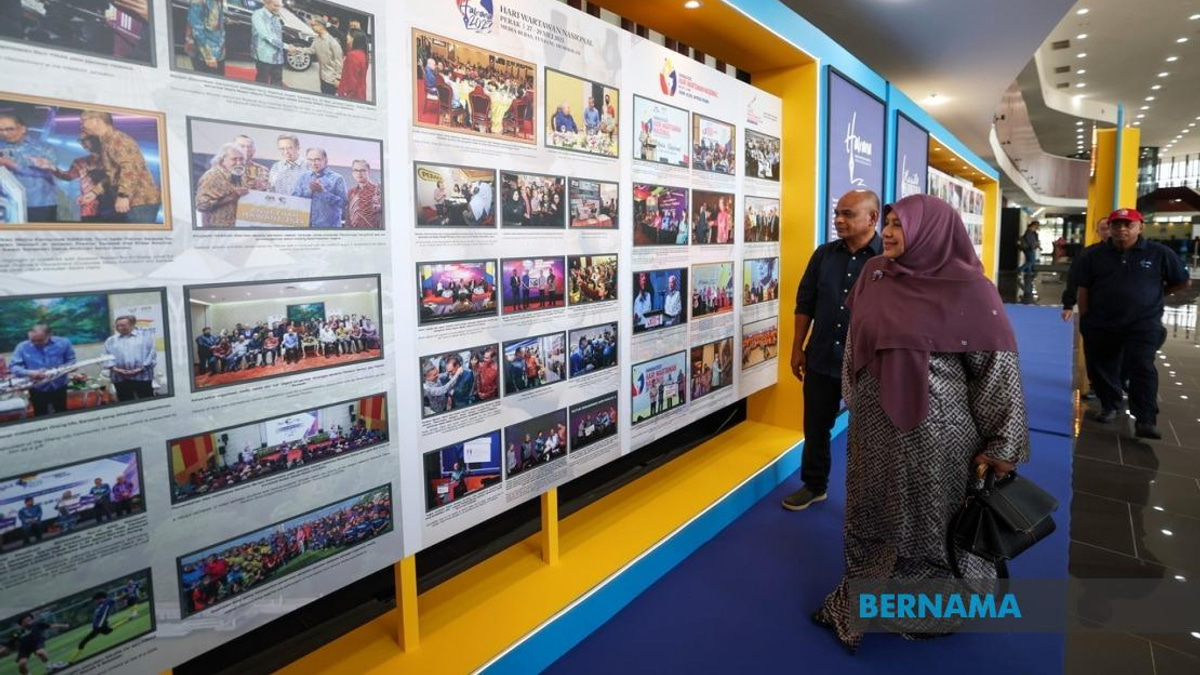
Penang police have committed to maintaining unobstructed traffic flows throughout the HAWANA 2026 National Journalists' Day celebration scheduled for June 20-22 at PICCA Convention Centre @ Butterworth Arena, despite expecting substantial crowds during the three-day event. Penang police chief Datuk Azizee Ismail provided assurances that security and traffic management preparations mirror the success of Malaysia Day celebrations held at the same venue previously, ensuring the event proceeds without significantly disrupting daily life for the surrounding community.
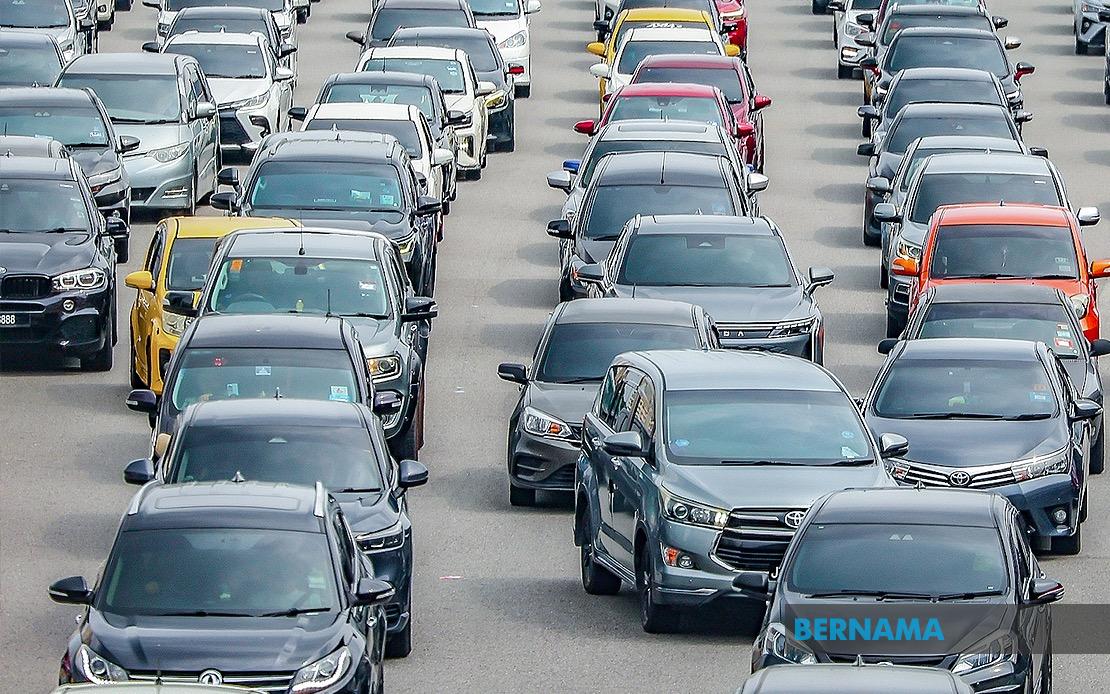
The decision to keep primary roads surrounding PICCA operational represents a deliberate policy shift away from full road closures, instead relying on tactical traffic diversions coordinated by uniformed personnel stationed at major intersections. This approach acknowledges the challenge of balancing event security requirements with the practical mobility needs of local residents and commuters who depend on these routes for regular transportation. By maintaining thoroughfare access, authorities aim to demonstrate that large-scale national celebrations need not create the traffic paralysis that sometimes accompanies major public gatherings in Malaysia.
The police deployment strategy incorporates lessons learned from the previous Malaysia Day event, applying identical personnel strength to both security operations and traffic control functions. This consistency in resource allocation suggests confidence in proven methodologies while avoiding the expense and disruption of significantly expanded security cordons. The uniformed presence at intersections will coordinate vehicle movements dynamically rather than imposing static closures, allowing traffic to flow at reduced efficiency rather than halting entirely.
Azizee indicated that preparation efforts have extended beyond immediate traffic concerns to encompassing comprehensive safety protocols across the entire three-day programme. The anticipated attendance of around 1,000 media practitioners from Malaysia and internationally, combined with expected carnival crowds of approximately 30,000 visitors, necessitates layered security arrangements capable of managing both the formal summit elements and public-facing activities simultaneously. Such scale requires coordination between multiple agencies despite the stated intention to minimize disruption.
The HAWANA 2026 event carries particular significance within Malaysia's media landscape, serving as the primary national platform for recognizing journalistic contributions and industry professionalism. Prime Minister Datuk Seri Anwar Ibrahim will officiate the summit on June 20, underscoring the government's investment in elevating media sector recognition. The theme "Media Integrity Strengthens Credibility" reflects broader national conversations about journalism standards and public trust during an era when media institutions face competing pressures from technological disruption and audience fragmentation.
Parallel to the formal summit, the Riuh Pi HAWANA Carnival component presents distinct security challenges, transforming the venue into a public festival space featuring more than 24 local creative product brands, 20 food and beverage vendors, and 16 stage performances by artists including Exists, Bunkfac, Masdo, Sakura Band, Budak Nakal Hujung Simpang, and Chelsea Ng. The carnival's free admission model and performance schedule will likely concentrate visitor attendance during evening hours, potentially creating peak traffic periods that require careful management to prevent congestion.
From a regional perspective, this event demonstrates evolving approaches to managing large public gatherings in Southeast Asian urban centers. Malaysian authorities increasingly recognize that economic activity and resident convenience warrant protecting during national celebrations rather than sacrificing to security protocols. This pragmatic balancing reflects matured experience in hosting international events while serving domestic constituencies who neither celebrate national occasions nor appreciate unnecessary infrastructure disruptions.
Public compliance represents a critical variable in the success of traffic diversions without closures. Authorities are actively requesting that residents plan journeys strategically and follow traffic personnel instructions, essentially requiring voluntary cooperation with suggested routes even where official closures do not mandate compliance. This places responsibility partly on the travelling public to exercise judgment and patience during the event period, a softer approach than the rigid enforcement of closed cordons.
The HAWANA 2026 gathering occurs within Malaysia's broader context of strengthening democratic institutions and civil society engagement. Recognizing journalists through a national celebration serves multiple functions: acknowledging their role in democracy, providing industry professional development opportunities, and publicly reinforcing government commitment to press freedom and media professionalism. The summit's international attendance component also positions Malaysian journalism within regional and global networks, facilitating knowledge exchange about emerging challenges and industry standards.
For Penang specifically, hosting such a prestigious national event reflects the state's growing role as a preferred location for significant gatherings beyond the capital corridor. PICCA Convention Centre @ Butterworth Arena has now established track record as a suitable venue for high-profile national occasions, potentially influencing future event placements. The successful management of HAWANA 2026 without major traffic disruptions could further enhance Penang's reputation as an event destination capable of handling large-scale celebrations while maintaining normal operations.
The police strategy also demonstrates awareness that excessive security measures can paradoxically undermine public confidence and participation. When residents experience disproportionate inconvenience relative to actual security requirements, public perception of both the event and security agencies can suffer. By maintaining reasonable traffic access through intelligent diversions rather than blockades, authorities communicate confidence in their security capabilities while respecting the rights and convenience of the broader community.
Looking forward, this approach to managing the HAWANA 2026 event may establish a template for similar gatherings across Malaysia. As the nation hosts increasingly frequent international and national celebrations, developing security protocols that protect participants and maintain public order without necessitating wholesale suspension of normal urban functioning becomes increasingly important for economic vitality and social acceptance. The success or challenges encountered during this event will inform police and event management practices for years ahead.