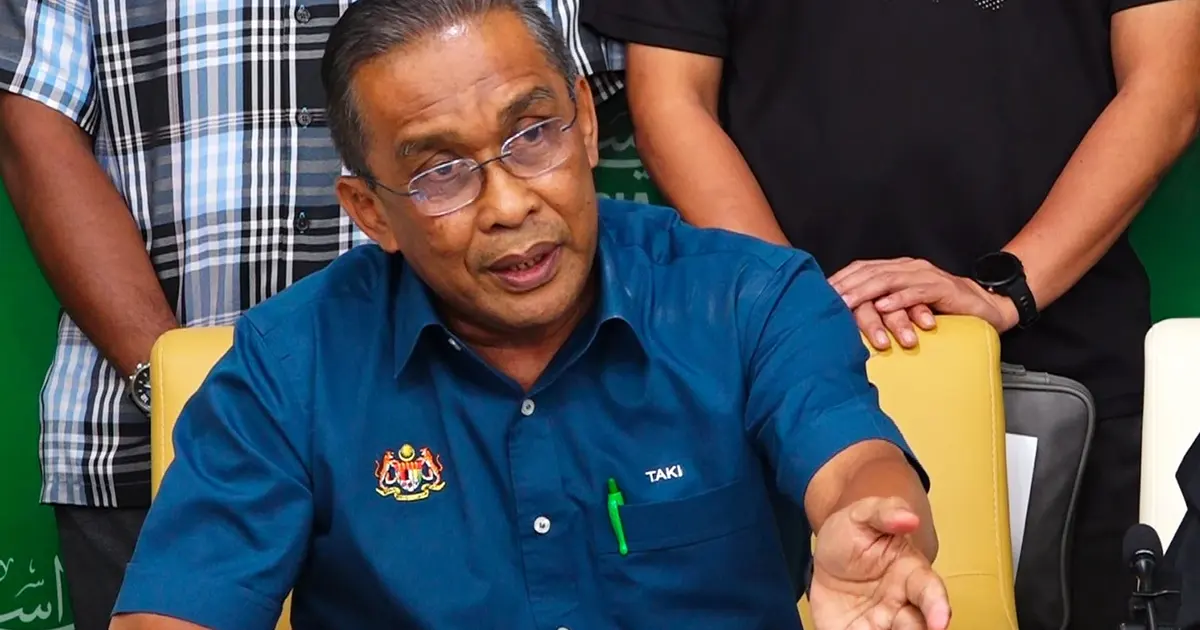
Takiyuddin Hassan, serving as chief whip for Perikatan Nasional, has officially communicated to the Speaker of the Dewan Rakyat that Hamzah Adnan will take over as the parliamentary opposition leader, effective immediately. The notification marks a significant shift in the opposition's leadership structure following agreement among MPs aligned with the various anti-government coalitions represented in Parliament.
The coordinated backing of 61 opposition MPs demonstrates a consolidation of support across multiple political formations. This coalition encompasses PN lawmakers alongside MPs from other opposition groupings, reflecting a strategic realignment aimed at presenting a unified front against the government. The numerical strength represented by these 61 MPs is substantial enough to command considerable parliamentary influence, allowing the opposition to mount more effective scrutiny and challenge government policies through legislative mechanisms.
Hamzah Adnan's elevation to the opposition leadership position represents a notable return to prominence for the former Bersatu deputy president. His trajectory within the political landscape has been complex, shaped by the fluid dynamics that have characterised Malaysian politics in recent years. The decision to elevate him now suggests that PN and allied opposition factions view him as the most effective figure to coordinate their parliamentary efforts and articulate their collective vision against the incumbent administration.
The role of opposition leader carries substantial constitutional and procedural significance within Malaysia's Westminster-derived parliamentary system. The leader serves as the principal voice of dissent, responsible for coordinating legislative strategy, leading parliamentary debates, and commanding the opposition benches. Additionally, the position carries symbolic weight, positioning the opposition leader as the primary alternative centre of political gravity and potential prime ministerial candidate should electoral fortunes shift.
Takiyuddin's formal notification to the Speaker represents an essential procedural step in legitimising Hamzah's appointment. This administrative confirmation ensures that parliamentary protocols recognise the new opposition leadership structure and enables the necessary adjustments to parliamentary arrangements, including seating allocations, speaking rights, and access to opposition leader resources and parliamentary facilities.
The timing of this leadership transition occurs against the backdrop of broader political developments affecting Malaysia's legislative landscape. Opposition cohesion remains a persistent challenge in Malaysian politics, with competing interests and ideological differences frequently creating fragmentation. The successful coordination of 61 MPs around a single leadership candidate suggests that opposition leaders have recognised the strategic imperative of presenting unified parliamentary opposition, even if their longer-term political objectives may diverge.
For Malaysian observers and stakeholders, this development carries implications for parliamentary accountability mechanisms over the coming parliamentary term. An organised opposition leadership capable of directing sustained scrutiny toward government policies can strengthen legislative oversight and ensure that policy proposals face rigorous questioning before implementation. This dynamic strengthens Parliament's role as a forum for serious deliberation rather than allowing it to function as a mere endorsement mechanism for executive initiatives.
Regionally, Malaysia's opposition dynamics reflect patterns visible across Southeast Asian democracies, where opposition parties frequently grapple with internal coordination challenges whilst facing pressures from strong executive governments. The consolidation of opposition numbers around Hamzah's leadership suggests Malaysian opposition figures recognise that organisational clarity and unified direction enhance their capacity to influence legislative outcomes and maintain public relevance between electoral cycles.
The composition of the 61-MP coalition warrants careful observation, as internal tensions within opposition coalitions often emerge when diverse parties must subordinate their individual agendas to collective leadership decisions. Maintaining such coalition discipline requires ongoing political management and suggests that all participating factions have calculated that unified opposition leadership better serves their interests than attempting to project separate leadership alternatives.
Looking forward, Hamzah's effectiveness as opposition leader will be tested through parliamentary engagements, media interactions, and his ability to coordinate legislative strategy across the diverse opposition groupings now positioned behind his leadership. His success will partly depend on his capacity to command respect from MPs with varying political backgrounds and interests, whilst articulating opposition positions that resonate with public concerns without alienating any significant faction within the allied MPs.
The Speaker's recognition of this leadership transition formalises a shift that will reshape parliamentary dynamics for the remainder of the current legislative term. Hamzah assumes stewardship of opposition efforts at a moment when Malaysian politics remains fluid, with electoral calendars and coalition configurations continuing to evolve. His tenure as opposition leader provides an opportunity to establish parliamentary precedent regarding effective opposition performance and legislative accountability, with implications extending beyond parliamentary proceedings into the broader political discourse shaping Malaysia's democratic development.