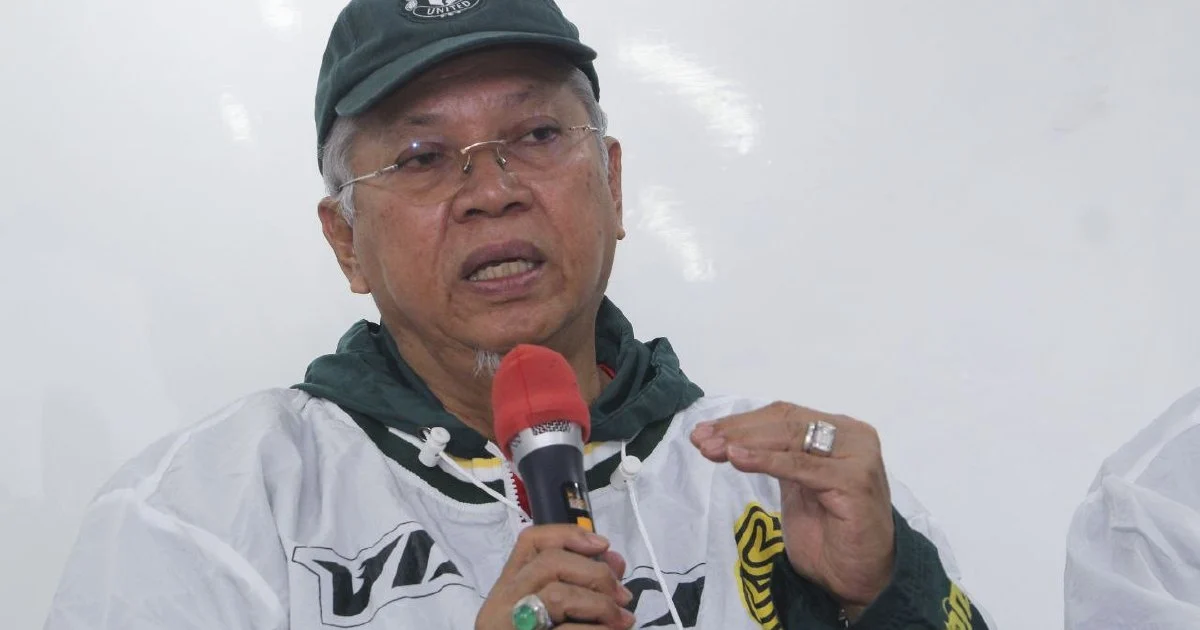
Perikatan Nasional has indicated it stands prepared to contest a general election at short notice should one be called before the end of the year, signalling confidence in its organisational capacity and political positioning. The coalition, which captured significant ground in the 2022 elections and controls several state governments, has reportedly begun preliminary mobilisation of its grassroots network and campaign infrastructure in anticipation of an early electoral contest.
The readiness declaration comes amid ongoing political speculation about the stability of Malaysia's current parliamentary coalition. While governments typically serve their full five-year terms, Malaysian political history demonstrates that early dissolutions remain a viable option, particularly when a coalition perceives favourable electoral conditions or strategic advantage. PN's proactive stance reflects both confidence in its current standing and acknowledgement of the fluid nature of Malaysian politics.
For Malaysian voters and political observers, the significance of PN's position extends beyond mere campaign preparation. The coalition has undergone substantial transformation since the 2022 elections, consolidating support particularly in rural and semi-rural constituencies where it has traditionally maintained strongholds. Its presence in state governments provides administrative platforms from which to campaign and distribute resources—advantages that could prove decisive in any early election scenario.
The coalition's mobilisation strategy encompasses coordination across all hierarchical levels of its component parties, from national leadership through state and divisional structures down to village-level operatives. This tiered approach recognises that Malaysian elections, particularly in predominantly first-past-the-post contests, often hinge on ground-level organisation and the ability to translate national sentiment into individual constituency victories. The effectiveness of such machinery becomes particularly critical in closely contested seats.
PN's early preparation also reflects lessons learned from the 2022 general election, during which the coalition and its allies orchestrated a significant breakthrough. The experience provided operational insights into campaign logistics, voter mobilisation techniques, and the organisation required to sustain competitive campaigns across Malaysia's diverse geographical and demographic landscape. Building on these foundations, the coalition has presumably refined its electoral playbook.
For Southeast Asian context, PN's positioning within Malaysia's broader political ecosystem carries regional implications. The coalition represents a significant political force encompassing multiple parties with distinct ideological orientations and regional bases. Its electoral performance influences not only Malaysian governance but also the broader balance of political forces within ASEAN's largest Southeast Asian democracy.
The timing of PN's readiness announcement carries strategic dimensions worth examining. By publicly affirming preparedness, the coalition signals to both supporters and potential allies that it possesses organisational discipline and realistic confidence in electoral prospects. Such messaging can influence political calculations among fence-sitters and smaller parties considering coalition alignments. It simultaneously prepares the party base psychologically for the possibility of an abbreviated electoral cycle.
Malaysian political economists note that snap elections carry particular consequences during periods of economic uncertainty or policy transition. An early general election would interrupt ongoing government initiatives, potentially disrupt budget planning, and redirect governmental focus toward campaigning. Such considerations typically constrain governing coalitions from calling early elections unless they perceive substantial electoral advantage or face parliamentary mathematics that necessitate such action.
Political analysts observing Malaysian developments suggest that PN's preparedness stance reflects the coalition's assessment of current political dynamics. Whether this reflects genuine expectation of an imminent election or represents standard precautionary positioning remains subject to interpretation. The coalition's confidence, however, appears grounded in concrete factors including strong performance in recent state-level contests and apparent momentum in certain demographic and geographic segments.
The broader implications for Malaysian governance involve questions about parliamentary stability and the conditions under which governing coalitions might seek electoral renewal. PN's readiness posture indicates the coalition views current conditions as potentially favourable, though whether those conditions will actually precipitate an election call remains dependent on decisions within the incumbent government.
For Malaysian voters already fatigued by frequent electoral cycles since 2018, the prospect of another general election within months of the last major contest presents both challenges and opportunities. Additional campaigning requires civic engagement, media attention, and administrative resources. Conversely, electoral contests provide mechanisms for public accountability and democratic participation.
As speculation about Malaysian political developments continues, PN's declaration of readiness establishes the coalition's positioning for potential scenarios. Whether this preparedness translates into actual campaign operations depends on decisions yet to be made by the government and parliament. The coalition's mobilisation capacity, however, now clearly exceeds the threshold necessary for rapid deployment should the political circumstances align.