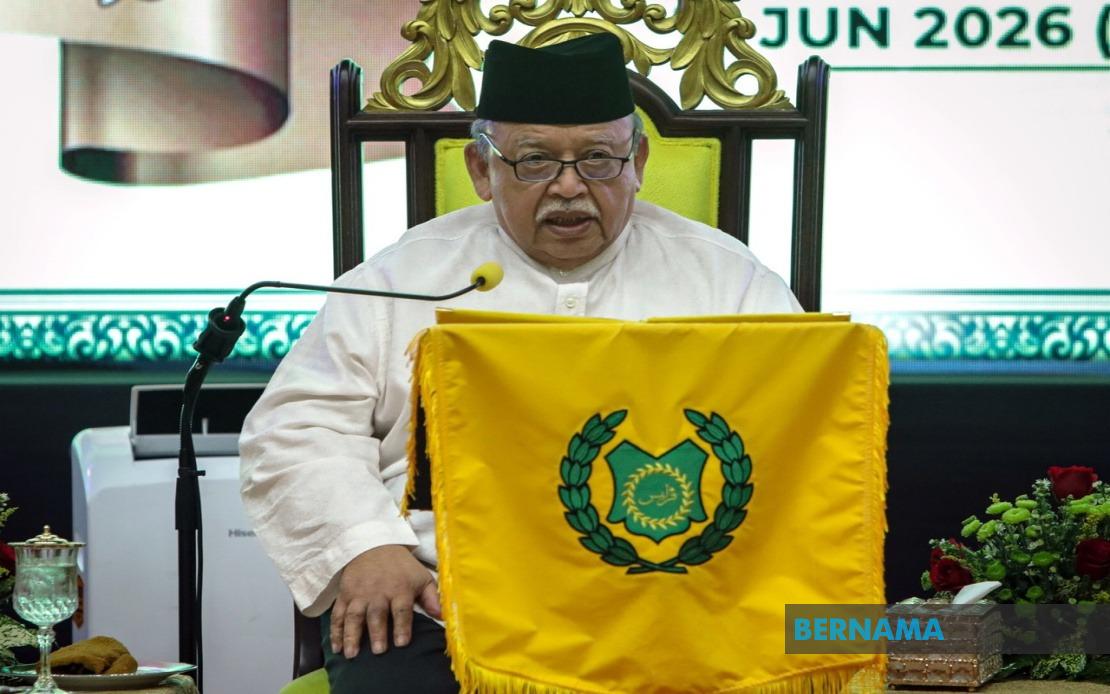
The Raja of Perlis, Tuanku Syed Sirajuddin Jamalullail, has stressed that national progress cannot be achieved through physical development alone, calling instead for a comprehensive approach rooted in integrity, knowledge and shared civic responsibility. Speaking at the state-level Maal Hijrah 1448H/2026M celebration in Kangar on June 18, the Ruler outlined a vision of progress that prioritizes moral character and social cohesion as essential pillars for building a prosperous future.
In his address, Tuanku Syed Sirajuddin articulated a distinction between material advancement and genuine societal development. He emphasized that true MADANI progress—a concept increasingly central to Malaysia's national discourse—encompasses the cultivation of knowledge, the elevation of individual character, the preservation of cultural strength, intellectual maturity and unwavering ethical values. This framing positions integrity not as an optional virtue but as a foundational requirement for national transformation.
The Ruler called on citizens to approach their work with sincere dedication, viewing professional and civic responsibilities as sacred obligations rather than mere transactions. This religious-ethical framework reflects the integration of Islamic principles with contemporary governance concerns, suggesting that moral responsibility transcends individual benefit and contributes to collective wellbeing. By characterizing work as an act of worship, Tuanku Syed Sirajuddin invokes a deeper sense of accountability that extends beyond conventional workplace ethics.
Central to the Ruler's message was an explicit rejection of corruption in all its manifestations. He articulated the principle that a state achieves genuine advancement only when its population demonstrates knowledge, maintains integrity, upholds civilized conduct and sustains internal unity. This interconnected framework suggests that corruption represents not merely a legal violation but a breakdown in the social fabric that undermines collective progress. The implicit critique addresses systemic challenges that have troubled Malaysia's development trajectory.
Tuanku Syed Sirajuddin emphasized the necessity of strengthening authentic Islamic understanding grounded in the Quran and Sunnah, positioning religious scholarship alongside the cultivation of mature political culture. This dual emphasis acknowledges the significance of religious identity in Malaysian society whilst promoting sophisticated engagement with contemporary governance challenges. The call for a "mature and civilised political culture" suggests recognition that democratic institutions require not only formal structures but also behavioral norms and ethical restraint from participants.
The Ruler identified technological advancement, artificial intelligence, social transformation and global economic fluctuations as critical contemporary challenges demanding proactive engagement. Rather than advocating passive adaptation, he urged Perlis residents to become initiators of innovation and drivers of change rather than spectators in their own development. This exhortation reflects growing awareness that nations must actively shape responses to technological disruption rather than simply reacting to external pressures.
Empowering citizens to achieve independence and competitiveness emerged as another priority in the Ruler's framework. The emphasis on nurturing courageous, intelligent and self-reliant values suggests a recognition that sustainable development requires not merely government intervention but individual initiative and capability-building across the population. This approach acknowledges that state capacity, however well-intentioned, cannot substitute for widespread human development and entrepreneurial engagement.
Tuanku Syed Sirajuddin articulated a holistic development agenda encompassing religious, political, economic and social dimensions. This multidimensional approach rejects the compartmentalization of development into isolated sectors, instead proposing that advancement in any single area without corresponding progress in others creates imbalances and vulnerabilities. The emphasis on integrated development carries particular resonance for Malaysia, a multicultural nation where progress must accommodate diverse communities and value systems.
The Ruler's call for civilized values in daily life and the strengthening of social unity addresses potential fractures in Malaysian society. By positioning civility and cohesion as prerequisites for progress, he implicitly warns against divisive behaviors and social fragmentation. This message gains significance in a regional context where competing narratives about identity, religion and governance sometimes generate tension.
The ceremony included recognition of Datuk Izham Mahmud, a Yayasan Tuanku Syed Putra board member, through the presentation of the Perlis Tokoh Maal Hijrah award. This recognition highlights the significance attributed to individuals who contribute meaningfully to community development and institutional strengthening, suggesting that progress depends on identifying and supporting leaders committed to ethical practice.
Tuanku Syed Sirajuddin's message carries implications extending beyond Perlis. As a royal voice articulating national values during a significant Islamic calendar observance, the Ruler's emphasis on integrity and rejection of corruption contributes to broader conversations about governance standards and societal expectations. The framing of progress in terms of character, knowledge and unity rather than GDP or infrastructure spending offers an alternative metric for evaluating national advancement.
For Malaysian policymakers and citizens, the Raja's exhortation represents a reminder that institutional reforms and anti-corruption initiatives require complementary emphasis on values, education and social cohesion. The call to view work as sacred obligation and to reject corruption in all forms establishes an ethical standard against which both public and private sectors should measure themselves. Moving forward, the challenge lies in translating these aspirational principles into concrete institutional mechanisms and behavioral incentives that reinforce integrity across all levels of society.