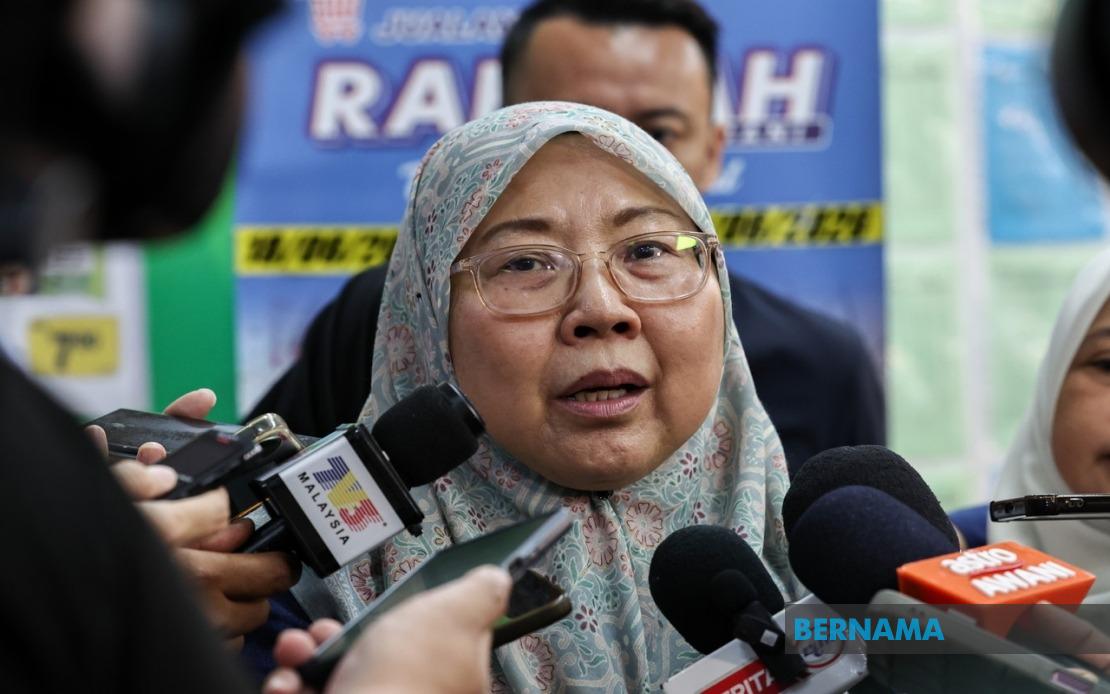
PKR's candidate selection process for the forthcoming state elections in Johor and Negeri Sembilan has reached its final stages, with party secretary-general Datuk Dr Fuziah Salleh confirming that the list stands at 99 per cent completion. The formal unveiling of the candidates is anticipated within the coming days, marking a significant milestone as both states prepare for electoral contests that will reshape their political landscapes amid shifting coalitional dynamics across Malaysia.
The party intends to contest 20 state seats across the 56-member Johor state assembly and 16 seats in the 36-seat Negeri Sembilan legislature. This strategic allocation reflects PKR's positioning within the opposition-aligned Pakatan Harapan coalition, which currently holds 12 seats in Johor following the dissolution of the state assembly on June 1. The decision to contest specific numbers of seats suggests careful negotiation with coalition partners, including Democratic Action Party and Amanah, over seat divisions ahead of the campaigns.
Dr Fuziah emphasised that PKR's candidate slate would reflect a deliberate demographic balance, combining experienced legislators with newcomers while ensuring adequate female representation and younger contenders. However, she refrained from disclosing the precise proportion of new faces entering the electoral arena, deferring such details to the formal announcement. This measured approach to candidate diversity aligns with broader efforts by Malaysian opposition parties to appear inclusive and forward-looking, particularly as voters increasingly scrutinise parties' commitments to generational renewal and gender equity in political representation.
The Johor electoral exercise has been scheduled with nomination day set for June 27 and polling occurring on July 11, providing a compressed timeline for campaigning and public engagement. This accelerated schedule follows the dissolution decision made on June 1 and reflects the state's determination to resolve its political configuration swiftly. Prior to dissolution, Barisan Nasional dominated the chamber with 40 seats, while Pakatan Harapan controlled 12, Perikatan Nasional held three, and independent party MUDA retained one seat, illustrating the fragmented competition landscape.
Negeri Sembilan's electoral calendar extends further into the year, with nomination scheduled for July 18 and early voting on July 28, leading to the actual polling date of August 1. The staggered timeline between the two states allows PKR and its partners to concentrate resources sequentially, though it also means sustained campaign intensity across multiple months. In Negeri Sembilan, the pre-dissolution parliament saw Pakatan Harapan commanding 17 of 36 seats, Barisan Nasional controlling 14, and Perikatan Nasional holding five, suggesting competitive three-way contests across numerous constituencies.
A complicating factor in PKR's preparations involves a territorial dispute with coalition partner Amanah over the Puteri Wangsa constituency in Johor. Amanah's vice chairman Dr Zuhan Zain previously objected to PKR's claim that the seat rightfully belongs to the party after having been temporarily allocated to MUDA during the 2022 state election. Dr Fuziah indicated that while Amanah formally contests PKR's assertion, the disagreement has been escalated to the senior leadership structures of both component parties for resolution, suggesting behind-the-scenes negotiations are ongoing to preserve coalition unity ahead of the contests.
The seat-sharing deliberations underscore the persistent tensions within Pakatan Harapan regarding equitable distribution of electoral opportunities among constituent parties. Such disputes, if not adequately resolved, risk damaging the coalition's effectiveness in the field and potentially allowing Barisan Nasional and Perikatan Nasional to capitalise on perceived weaknesses in opposition unity. The resolution mechanism being employed—elevation to top party leadership—reflects the gravity with which both PKR and Amanah view the matter and their determination to reach a workable arrangement that maintains the broader coalition framework.
Separately, PKR continues managing internal disciplinary matters involving Subang Member of Parliament Wong Chen, who recently challenged the party to proceed with his expulsion following a formal investigation into his conduct. Dr Fuziah confirmed that this matter has been referred to PKR's Disciplinary Board for further consideration and action. The handling of such high-profile cases carries implications for party cohesion and the maintenance of internal discipline, particularly as the party seeks to project unity and professionalism to voters during election season.
The timing of these two state elections—occurring within weeks of each other—represents a significant test of Malaysian federalism and coalition politics. The simultaneous campaign presence across Johor and Negeri Sembilan will strain the resources and attention of national party machinery, requiring careful allocation of senior figures and campaign resources. Success in either state could provide momentum for the opposition ahead of any future federal contest, while disappointment might reinforce the dominance of Barisan Nasional in traditionally stronghold territories.
For Malaysian voters and regional observers, these elections offer a crucial window into the evolving preferences of West Malaysian electorates and the sustainability of the Pakatan Harapan coalition framework. The composition of PKR's selected candidates—once unveiled—will signal the party's strategic priorities and its vision for governance in both states. Additionally, the resolution of internal coalition disputes before formal campaigning commences will be essential for presenting a credible and united alternative to incumbent administrations, determining whether the opposition can effectively translate electoral support into seats and, ultimately, influence over state administration and policy direction.