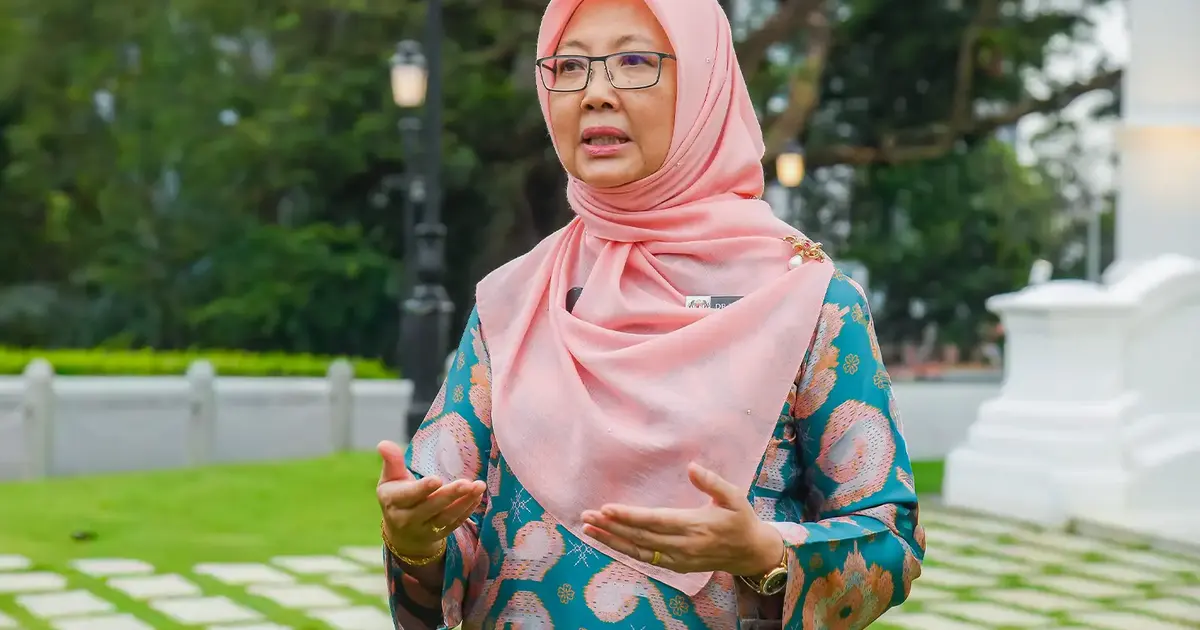
PKR vice-president Zaliha has expressed bewilderment over a demand from Johor Barisan Nasional chairman Onn Hafiz Ghazi that Pakatan Harapan designate a frontman for the anticipated Johor state elections, citing the absence of any assurance regarding who would ultimately occupy the menteri besar post.
The timing of such a request highlights the peculiar position in which Johor's opposition alliance finds itself as political manoeuvring intensifies around a potential return to the polls in the southern state. Zaliha's reaction underscores a fundamental tension within Malaysia's current political landscape, where traditional rules governing electoral campaigns and candidate announcements have become increasingly fluid and unpredictable.
Onn Hafiz's call appears designed to pressure the opposition into committing to a specific figurehead prematurely, potentially seeking to lock them into a position that could be exploited during campaigning. However, such a strategy arguably misunderstands the internal dynamics of the Pakatan Harapan coalition, which encompasses multiple parties with competing interests and constituencies across Johor. Naming a specific individual without clarity on constitutional outcomes would expose that person to considerable political risk and potentially fracture the alliance before campaigning even begins in earnest.
The broader context here involves Johor's evolving political fortunes since the 2022 state elections, when BN retained control of the state assembly. The ruling coalition's performance has been a subject of intense scrutiny, particularly given broader national currents and the complex three-way contest that now characterises Malaysian electoral politics following Perikatan Nasional's emergence as a significant force. A new election would represent the state's first meaningful test of voter sentiment in this new configuration.
Zaliha's response reflects a calculated approach by the opposition, which recognises that premature candidate announcements can backfire spectacularly in Malaysian politics. The menteri besar position in Johor is constitutionally not automatically awarded to the leader of the winning coalition—the Johor Sultan retains crucial discretionary authority in this regard. This constitutional reality fundamentally changes the calculus compared to other states, making the demand to identify a putative chief minister without such assurance logically incoherent.
For Malaysian political observers, this exchange illustrates how state-level dynamics in Johor differ markedly from peninsular peers. The presence of a reigning monarch with genuine constitutional powers introduces variables that don't exist elsewhere, requiring political actors to maintain strategic flexibility and avoid overly definitive public commitments that might alienate the palace or constrain the Sultan's exercise of his prerogatives.
The opposition coalition's reluctance to name a poster boy also reflects practical considerations about coalition management. Pakatan Harapan in Johor comprises multiple entities with distinct organisational structures and regional support bases, and elevating one individual too prominently risks generating internal tensions that could manifest as defections or reduced campaign enthusiasm from affiliated parties. This coalition management challenge has plagued opposition efforts in multiple states and remains a persistent vulnerability.
Onn Hafiz's position as BN's Johor chairman gives his statement official weight, suggesting this may represent a deliberate strategy rather than offhand commentary. The calculation appears to be that forcing the opposition into an uncomfortable position—either naming a candidate prematurely or appearing unprepared and disorganised—could generate negative media narratives ahead of any election. Yet this gambit presumes a level of political leverage that the BN may not actually possess, particularly given shifting voter sentiment and Perikatan's potential to splinter the Malay-Muslim vote that traditionally benefits the ruling coalition.
Zaliha's public expression of confusion rather than outright rejection suggests the PKR is treating the matter seriously while refusing to be baited into reactive decision-making. This measured response aligns with evolving opposition strategy in Malaysia, which increasingly emphasises methodical preparation and avoids the dramatic missteps that have previously undermined credibility during election periods.
Regional implications warrant consideration as well. Johor's outcome will reverberate across Southeast Asia's most developed state economy and a crucial test case for Malaysian coalition politics. How the opposition navigates this pre-election phase, including demands to prematurely reveal strategic decisions, will establish templates for how Malaysian politicians respond to similar pressure tactics in future contests.
Looking forward, expect the opposition to maintain strategic ambiguity on candidate announcements while quietly consolidating its ground game and developing multiple contingency scenarios. The refusal to be rushed into naming a frontman without constitutional guarantees reflects political maturity rather than weakness, suggesting that Malaysian opposition leadership has learned valuable lessons from previous electoral disappointments about the perils of overcommitting before all variables are clarified.